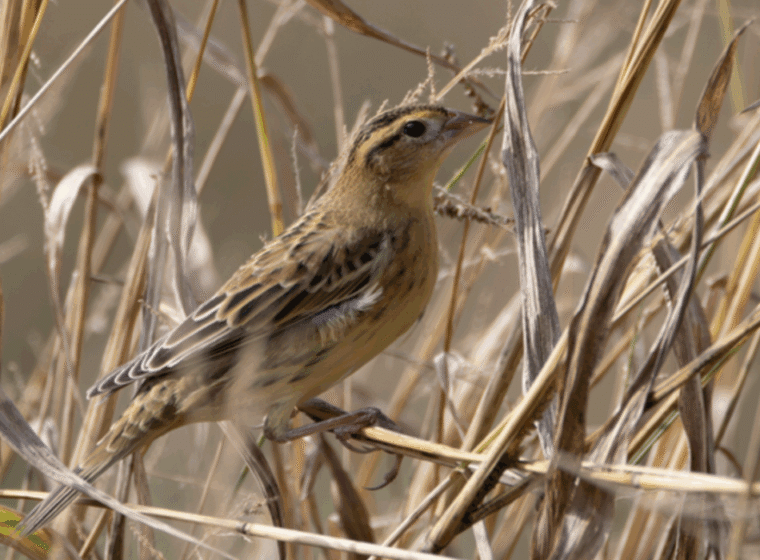
Champion Blackpoll Globe-trotter Returns to Mansfield
No one with even a passing interest in birds can help being astounded by the spectacular migratory feat of Blackpoll Warblers. The species’ non-stop transAtlantic fall flight to its South…

First Documented Lead-Poisoned Loon Collected on Lake Winnipesaukee
The first documented lead-poisoned loon collected from New Hampshire waters this year was discovered July 1, 2015, on Lake Winnipesaukee.

Vt. Adds to Threatened and Endangered Species List
Vermont has added nine species, including three bumble bees, to its list of threatened and endangered species thanks to data from the Vermont Atlas of Life.

Admirals at Sea
Drifting in a boat several miles out in the Gulf of Maine, Chris Rimmer, director of the Vermont Center for Ecostudies, didn’t expect to see any butterflies.
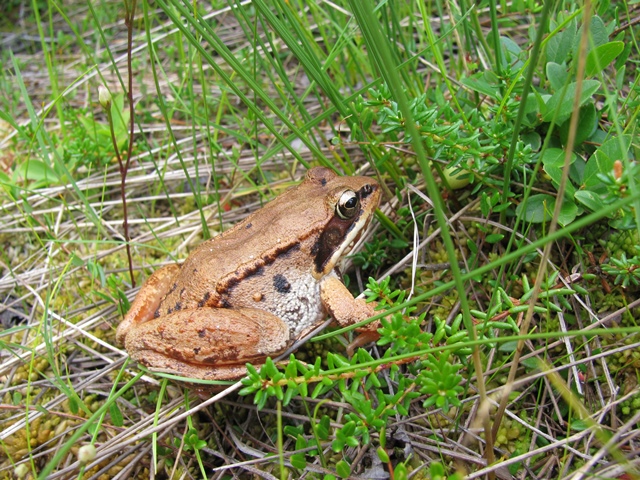
Study backs up theory that warming, pollution combine to hurt Alaska’s wood frogs
Alaska’s hardy wood frogs, like other amphibians around North America, have been plagued by a mysterious disorder that is deforming and killing them off.
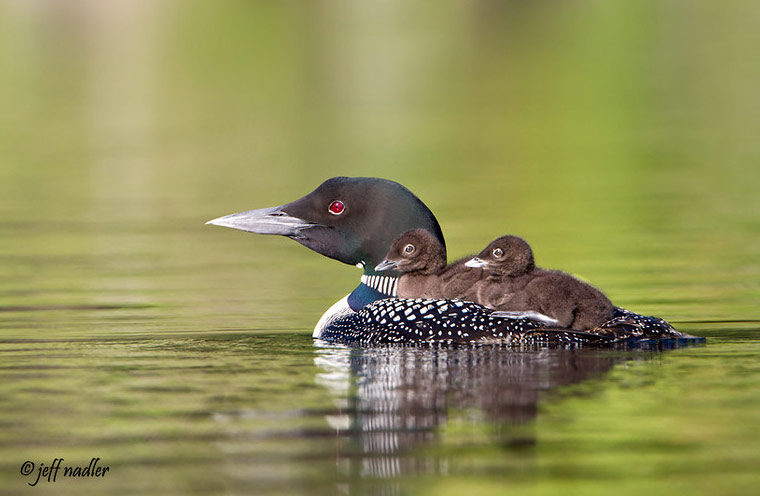
Join VCE’s LoonWatch on July 18
Here’s your chance to visit a lake or pond during one of the most vital days for Common Loon conservation of the year: LoonWatch. On Saturday, July 18, volunteers will take to Vermont waters to count loons.
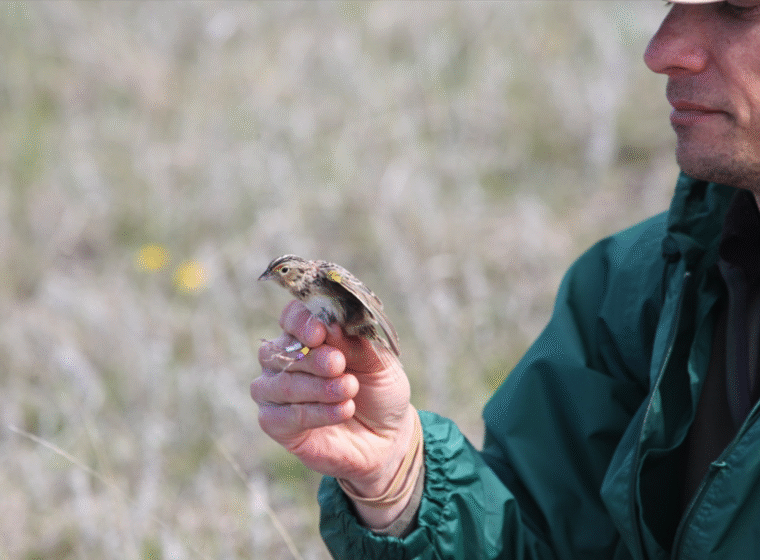
Choppers and Hoppers: A Report from the Grasslands
By mid-June we were fairly used to tanks shooting over us and helicopters buzzing past our heads. Such is a typical day of research with Grasshopper Sparrows on an active military reservation.
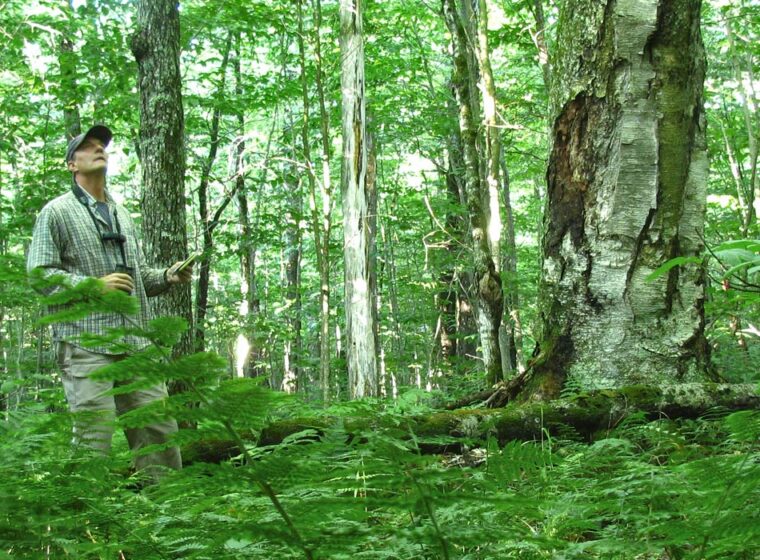
Celebrating Town Forest with eBird Hotspots
In 1915 the state of Vermont passed a law which allowed towns to acquire forest land for public benefit leading to the creation of over 300 town forests across the state. We would also like to recognize these important properties and encourage birders to suggest which town forests should be eBird Hotspots. Learn more…
BioBlitz 2015: Find Something Wild
Part scientific endeavor, part festival, and part education, on July 11th the 2015 BioBlitz at Marsh-Billings-Rockefeller National Historical Park will bring together leading scientists, naturalists, and community members of all ages to find and document as many species as possible in one day at the park as part of the Vermont Atlas of Life.
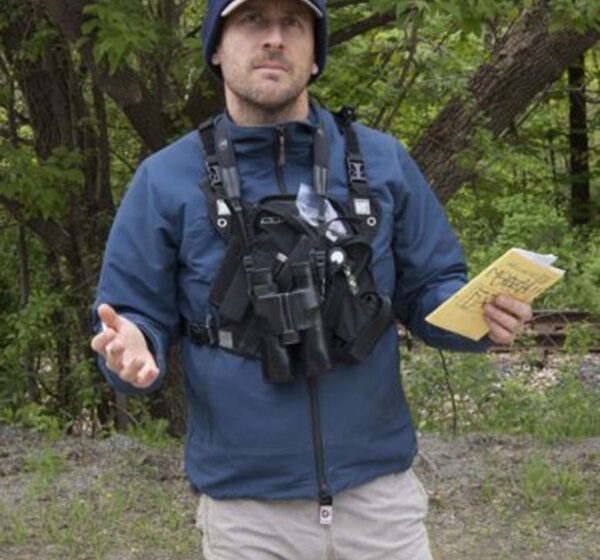
Bicknell Legacy Shines on Mt. Mansfield
This past Tuesday, exactly one day after the 134th anniversary of Eugene Bicknell’s landmark discovery, a fifth generation descendant, Edward “Teddy” Bicknell Doggett, joined VCE staff on Mansfield, with his grandparents Gene and Nina Doggett. It didn’t take long for Teddy’s indoctrination into BITHnology to occur.
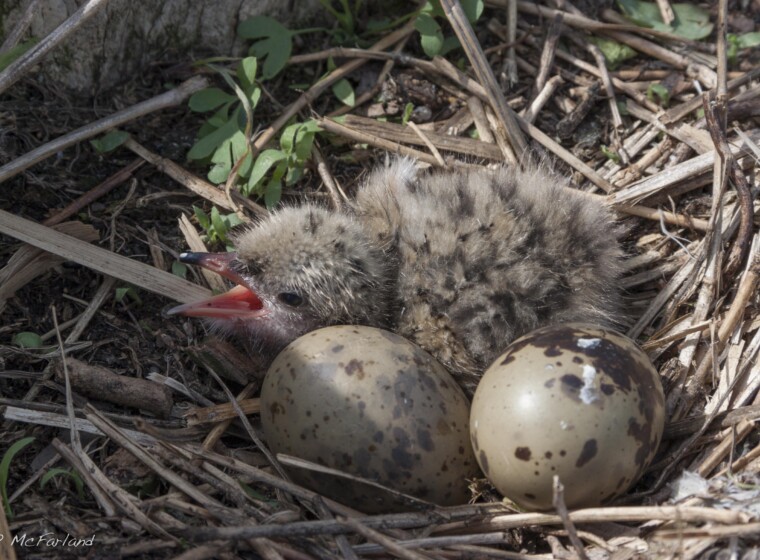
Outdoor Radio: Counting Terns
Hard hats in hand, VCE biologists Kent McFarland and Sara Zahendra head to Lake Champlain. They are taking a boat to Papasquash Island, owned by Audubon Vermont, to help count Common Tern eggs and chicks on the island.
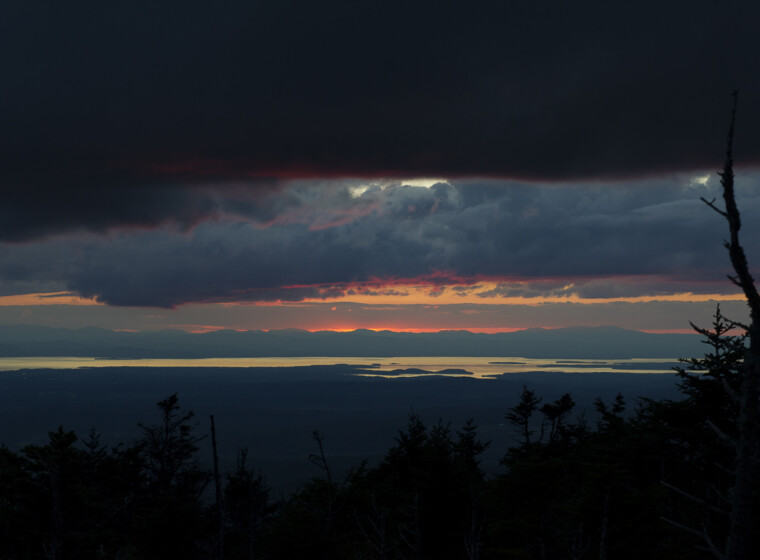
Bicknell’s Sing Up a Storm on Mt. Mansfield
Imagine being on Vermont’s tallest peak at 9:30 pm on a clear, cool evening without a whisper of wind. Sunset’s faint after-glow still peeks from the western horizon, while a moon just past full rises bright orange to the east, over the Worcester range.