iNaturalist Vermont November Photo-observation of the Month
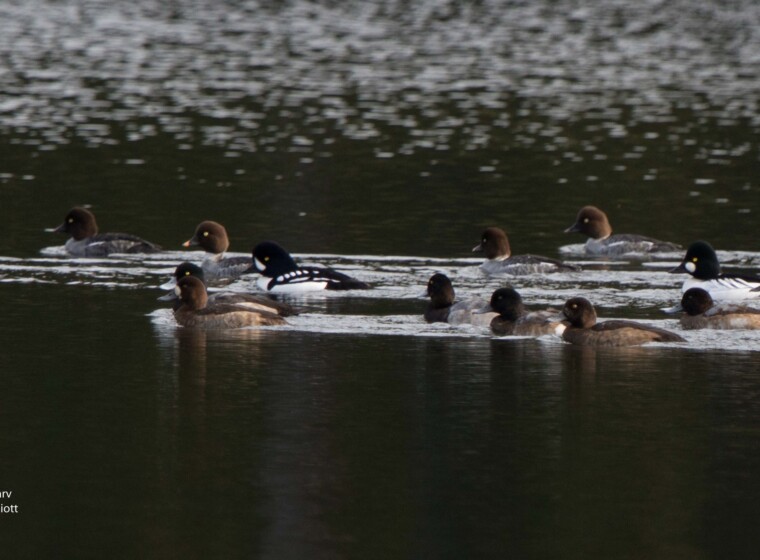
Congratulations to Marv Elliott for winning the November 2015 iNaturalist Vermont photo-observation of the month contest. His image of a Barrow’s Goldeneye among Common Goldeneyes, was the most popular photo-observation as measured by clicked ‘favs’.
Wild Turkey Confidential: On Supper and Snoods
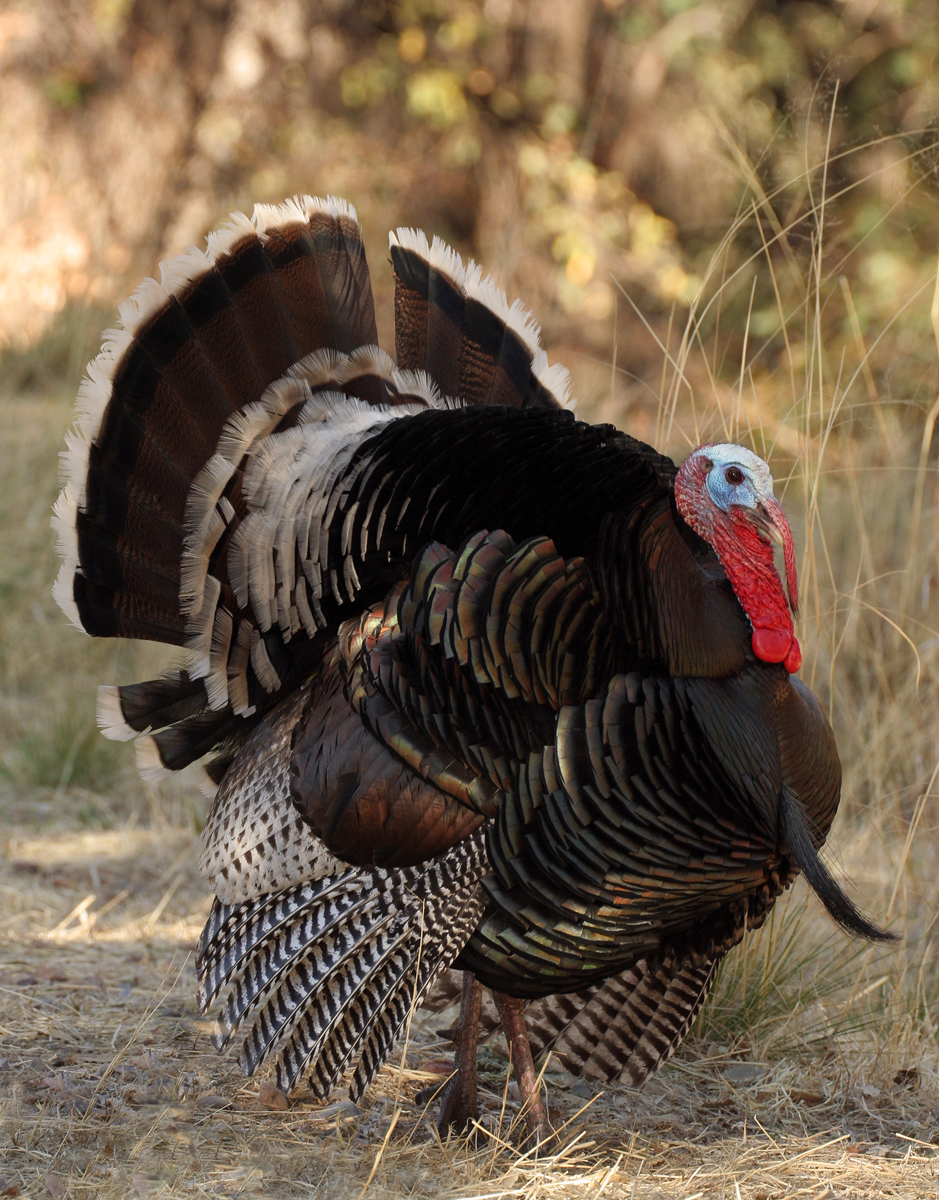
So how did you choose your turkey? By weight? Perhaps it is from a favorite farm? Or it could be a brand that you like? But if you were a female turkey, you’d be looking at the male’s snood.
Gratitude for Gulls
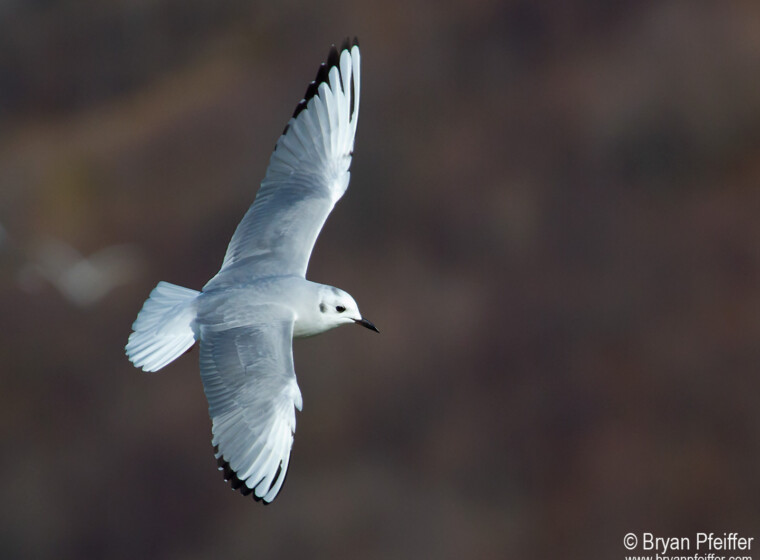
Cosmopolitan, versatile and elegant in flight, Bonaparte’s Gull is a gull for people who may not like gulls. It slices the frigid air like a swallow. It drifts and swoops and swirls before me here on the Niagara River as the giant falls roar in the distance.
Outdoor Radio: A Blizzard of Geese
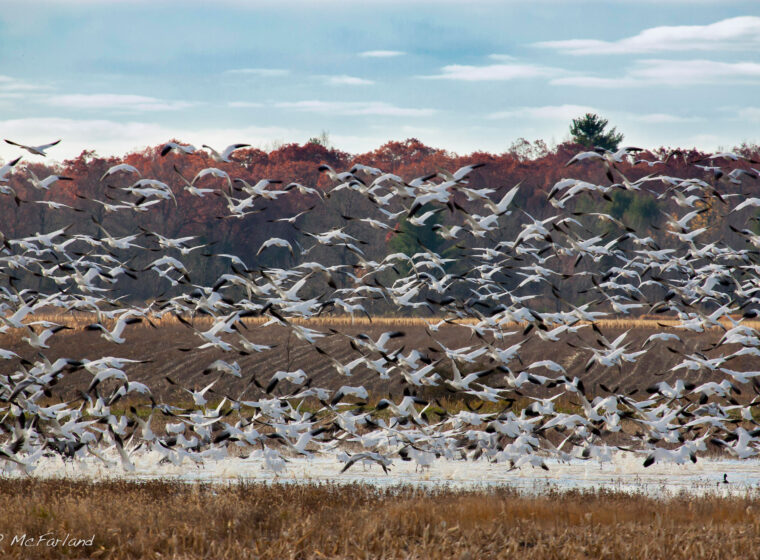
Biologists Sara Zahendra and Kent McFarland visit Dead Creek Wildlife Management Area, a destination spot for bird watchers, to see thousands of snow geese that flock there each fall. Listen to the show…
The Season’s First Snowy Owls
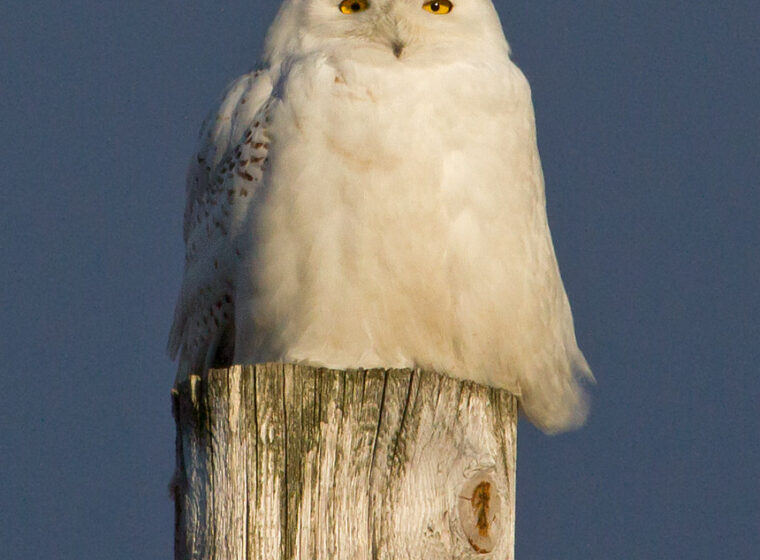
The forecast calls for snow — Snowy Owls and Snow Geese. Vermont’s first two Snowy Owls of the season have turned up in the past week.
VCE Presents 2015 Julie Nicholson Citizen Scientist Award to a ‘Loonatic’
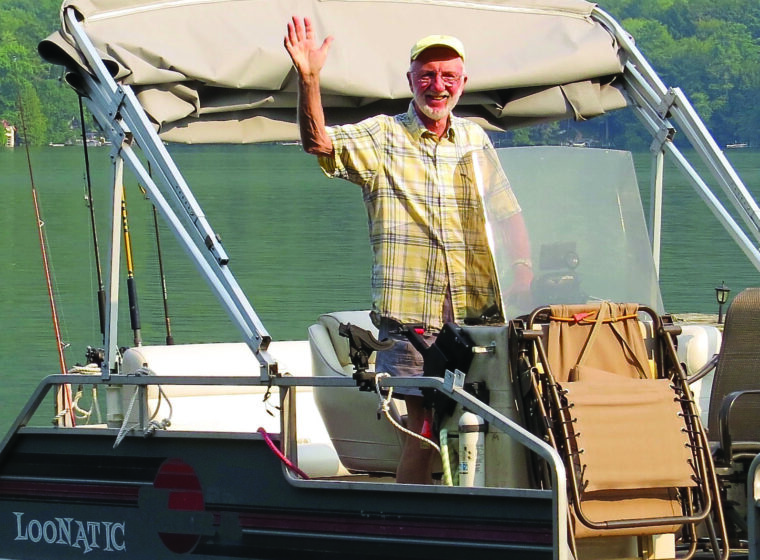
This year VCE honors Mike Korkuc with the Julie Nicholson Citizen Science Award for his years of dedication to loon conservation.
A Field Guide to November
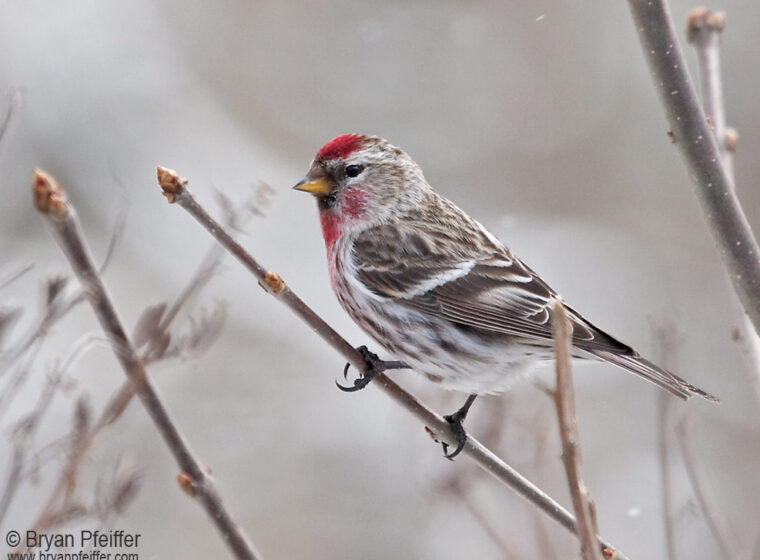
“Stick Season,” as we call it here in New England, when the woods are gray and cold, has been anything but lifeless so far this fall. Here’s your Field Guide to November.
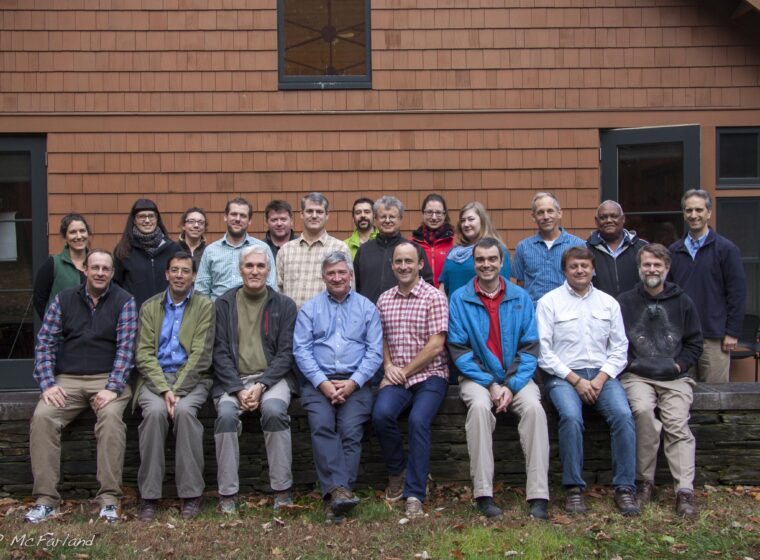
International Experts Convene for Bicknell’s Thrush
Twenty-one stakeholders of the International Bicknell’s Thrush Conservation Group convened recently in Woodstock, VT to launch a revision of the 2010 conservation action plan for this globally rare and vulnerable migratory songbird.
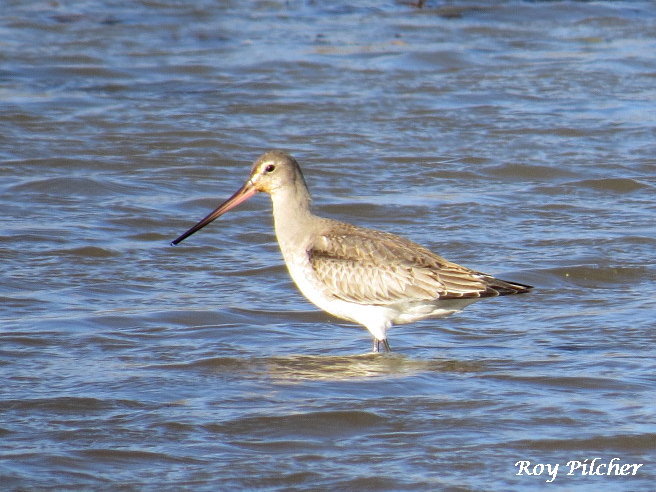
October iNaturalist Vermont Photo-observation of the Month
Congratulations to Roy Pilcher for winning the October 2015 iNaturalist Vermont photo-observation of the month contest. His image of a Hudsonian Godwit, was the most popular photo-observation as measured by clicked ‘favs’.
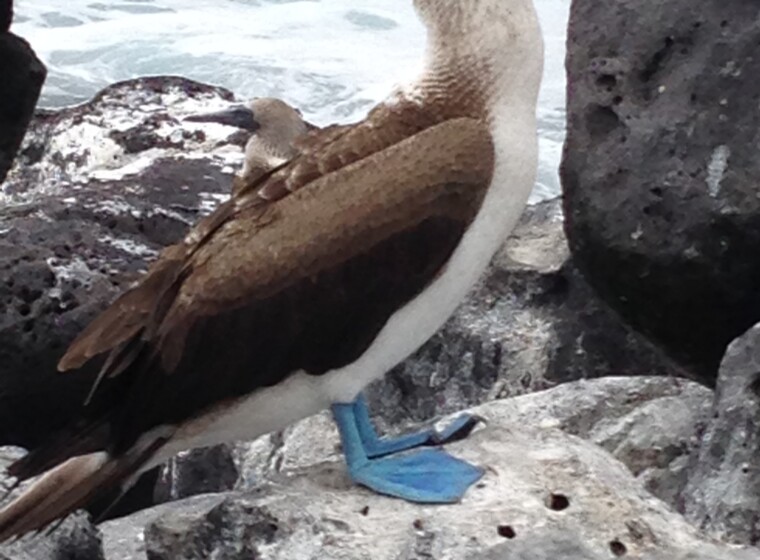
Where the Bobolink Meets the Booby
The Galapagos islands. Fodder for Darwin’s theory of natural selection, home to sea lions and iguanas so “tame” you can nearly shake hands, and the dream destination for wildlife-watchers who seek its famous specialized finches and the Blue-footed Booby. Add to the list: Bobolink.
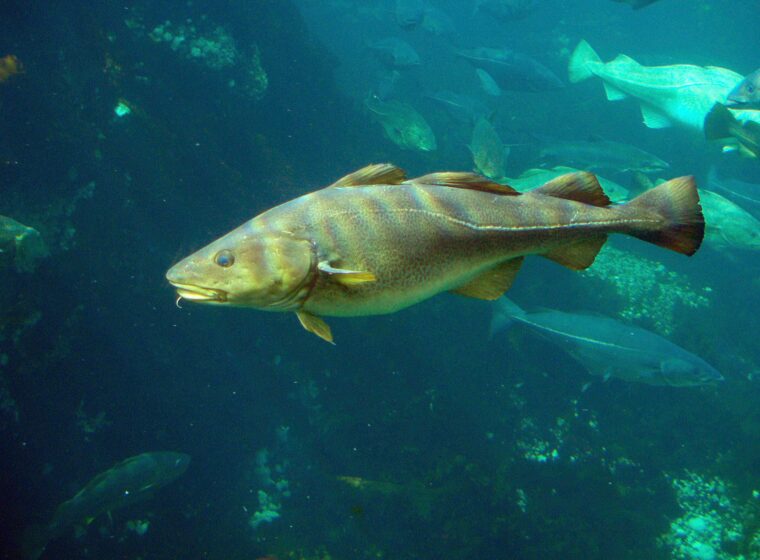
Warming waters contributed to the collapse of New England’s cod fishery
Even painful cuts to the fishery have failed to slow this rapid decline, surprising both fishers and fisheries managers. Now a report published this week in the journal Science links the cod collapse directly to rapid warming of ocean waters.
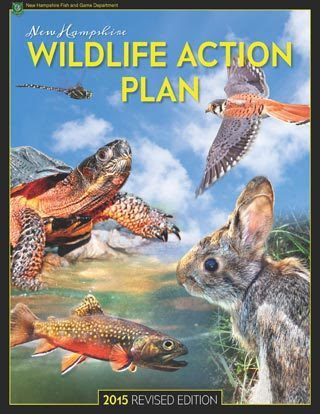
New Hampshire’s New 10-year Wildlife Action Plan Shows Gains and Challenges
Dozens of scientists and more than 1,000 concerned citizens contributed to the updated New Hampshire Wildlife Action Plan, a 10-year blueprint for conserving nongame wildlife throughout the state.