A tentative first step towards saving Sierra de Bahoruco
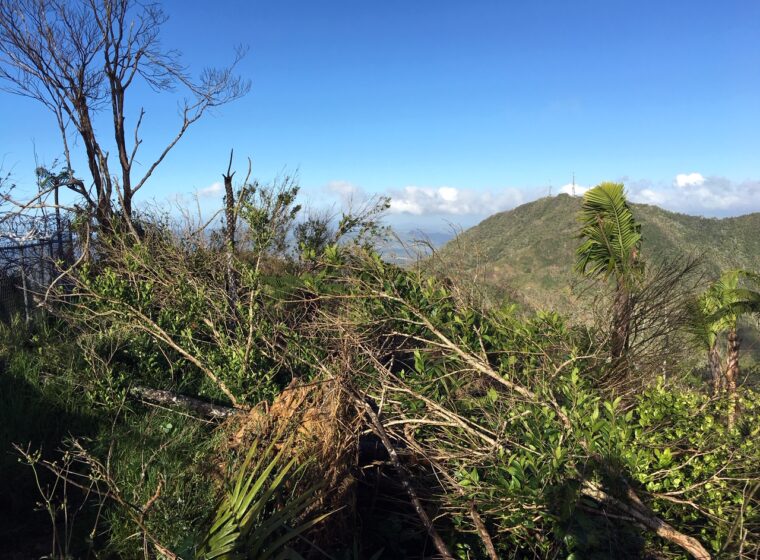
Sierra de Bahoruco National Park, in the southwest corner of the Dominican Republic, is arguably one of the world’s most biologically diverse locales. Encompassing a wide range of elevations, the…
Vermont Fish & Wildlife Dept Announces Strategic Plan to Conserve Wildlife
MONTPELIER, Vt. – The Vermont Fish & Wildlife Department has released a draft Wildlife Action Plan that lays out the state’s strategic vision for conserving species during the next ten…
Sex, Drugs and Bees: plant chemistry and pollinators
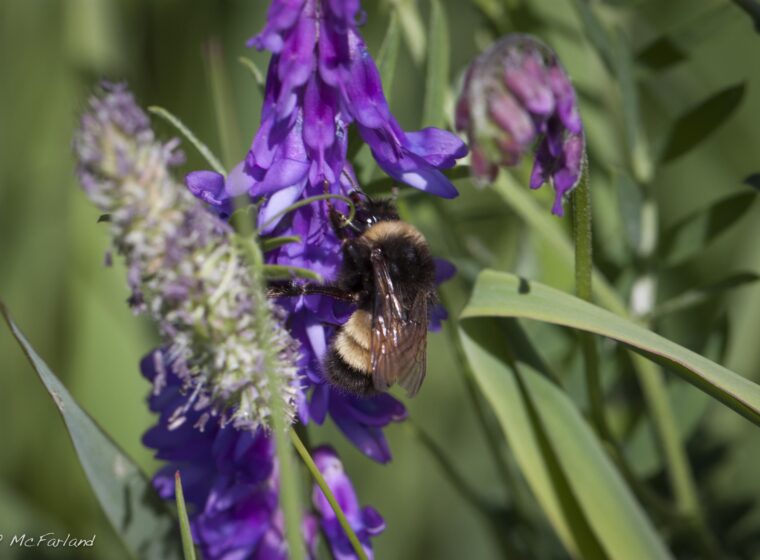
Many plants rely on flower visits by pollinators such as bees in order to reproduce. When bees consume nectar and pollen, they must cope with naturally occurring plant secondary chemicals,…
Long Live the Queen!
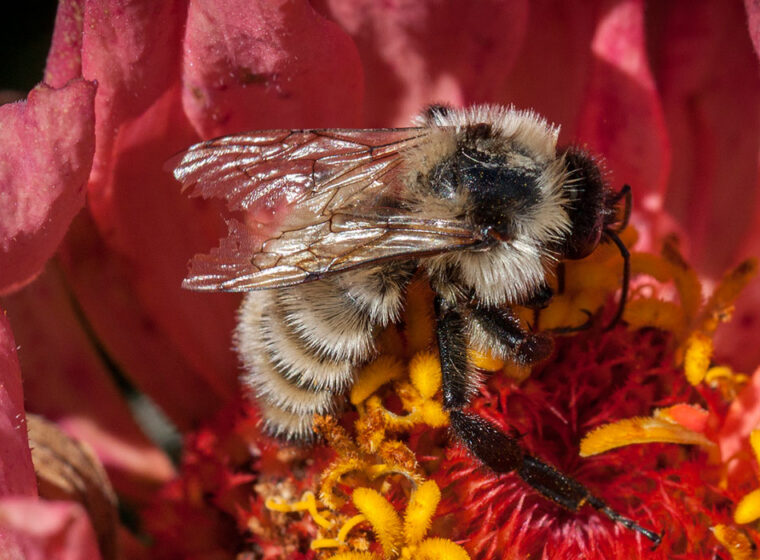
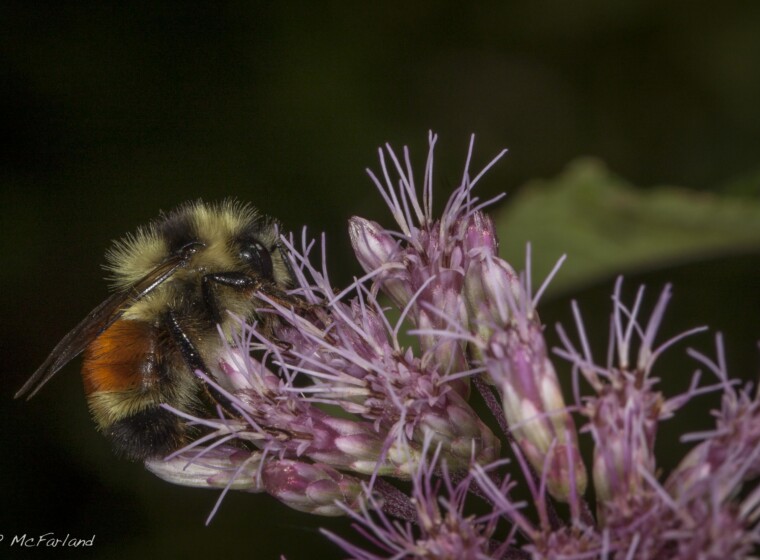
Each year in the bumble bee kingdom, only a queen will carry the colony’s torch through winter to produce the next generation. Everyone else – workers, drones, and the old queen – dies with the onset of fall frost.
September iNaturalist Vermont Photo-observation of the Month
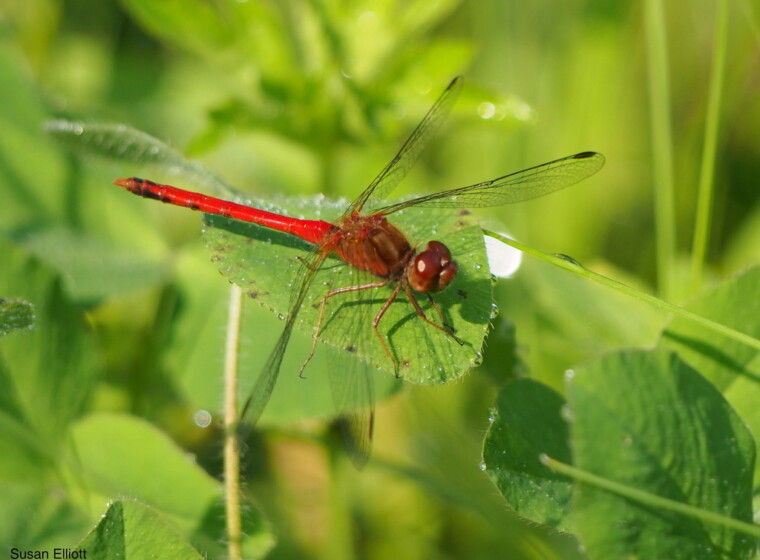
Congratulations to Susan Elliott for winning the contest with her image of an Autumn Meadowhawk.
eButterfly Visits the White House
This week eButterfly co-director and VCE research associate Katy Prudic is at the White House in Washington, D.C. where she was invited to a small White House conference called Open Science and Innovation: Of the People, By the People, For the People.
Outdoor Radio: In Search of the Endangered Timber Rattlesnake
This month on Outdoor Radio biologists Kent McFarland and Sara Zahendra head to western Vermont in search of the endangered Eastern Timber Rattlesnake.
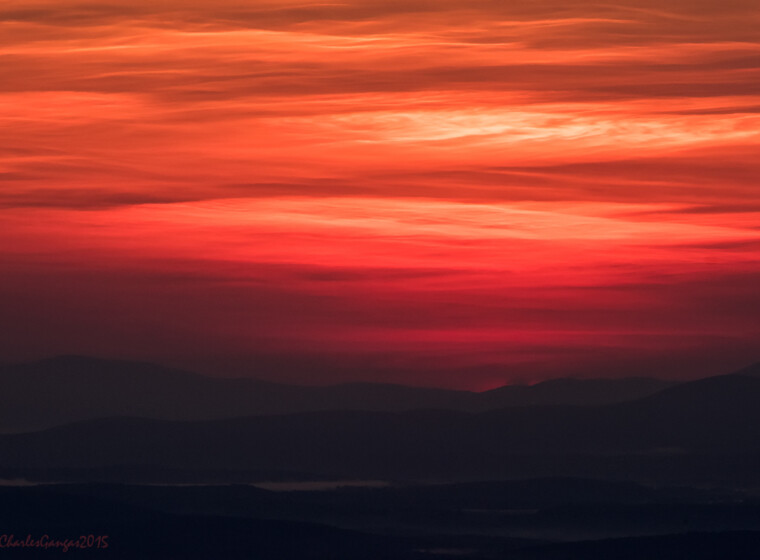
Bicknell’s and Blues Highlight VCE Wrap-up Mansfield Visit
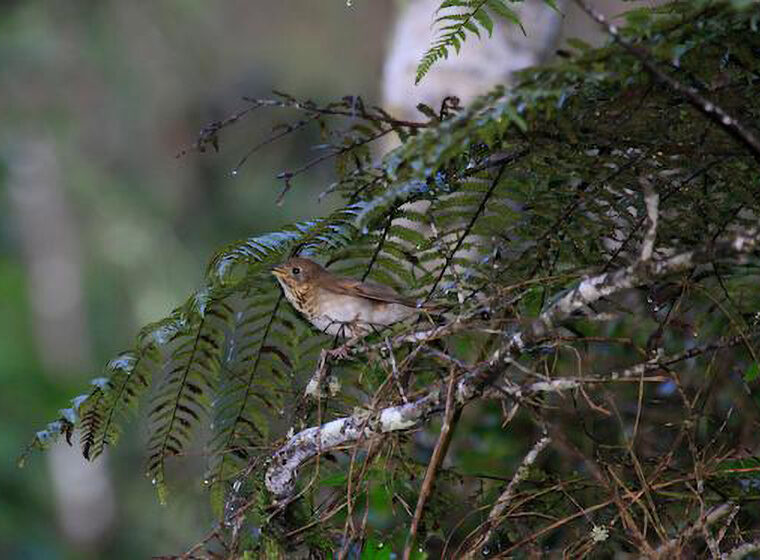
VCE’s 2015 wrap-up visit to our long-term Mt. Mansfield study site featured a strong showing by Bicknell’s Thrushes and Black-throated Blue Warblers.
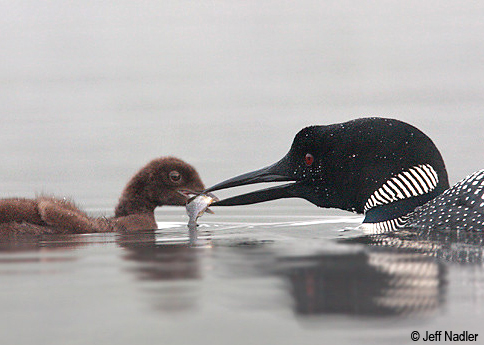
Common Loons and Peregrine Falcons Post Record Breeding Season in Vermont
Ten years after they were removed from Vermont’s endangered species list, two of Vermont’s most cherished bird species continued to expand their populations in 2015. Loons and peregrine falcons both nested in record numbers this summer.
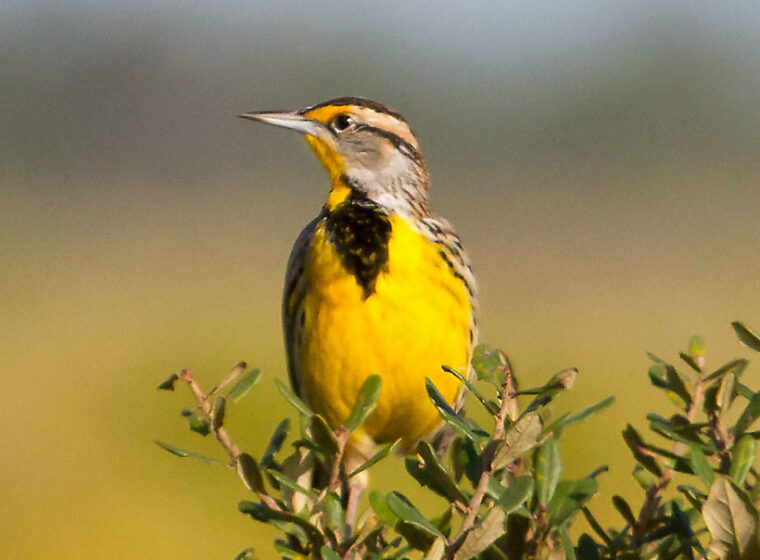
Plight of the Grassland Birds
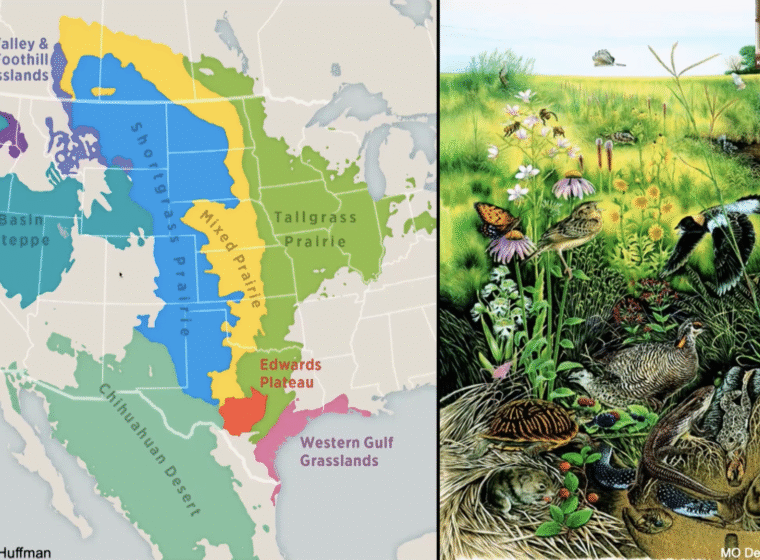
From the fields of New England and Canada to the vast plains of Montana to the deserts of Mexico, grassland birds are losing their habitats at an alarming rate. VCE is co-hosting a special pre-screening of this documentary on Thursday, September 24th at 7 pm in the Moore Psychology Building at Dartmouth College, Room B023.
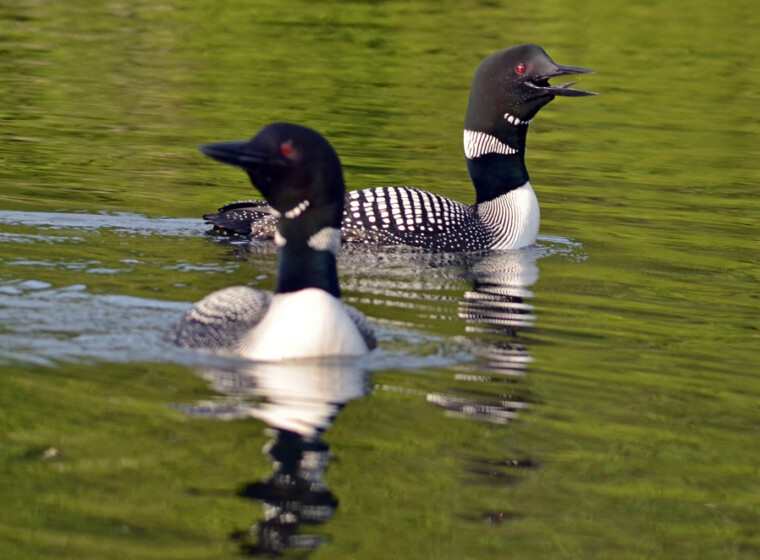
Unsolved (Murder?) Mysteries on the Canadian Border: The case of two loon disappearances
Summer is often the time people head to the beach or hammock to read stories that take them away from the hustle and bustle of daily life. And this summer, even loons were part of the mystery stories.
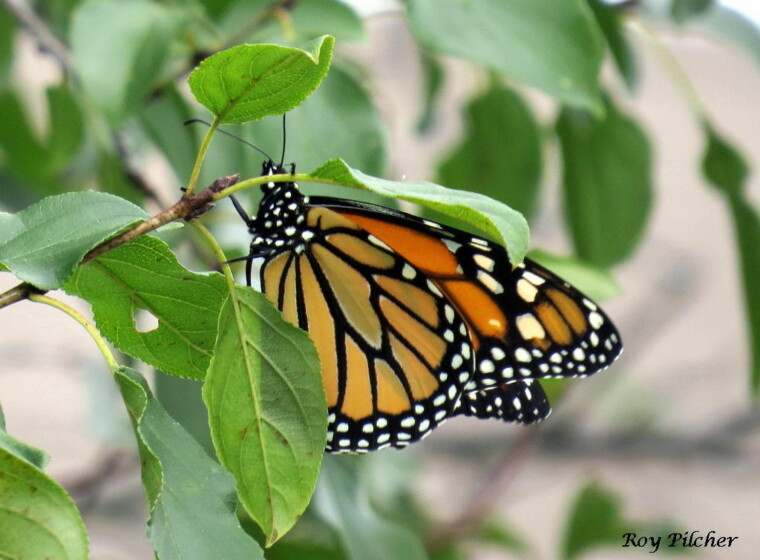
August iNaturalist Vermont Photo-observation of the Month
Congratulations to Roy Pilcher for winning the August 2015 iNaturalist Vermont photo-observation of the month contest.