Field Guide to May 2019
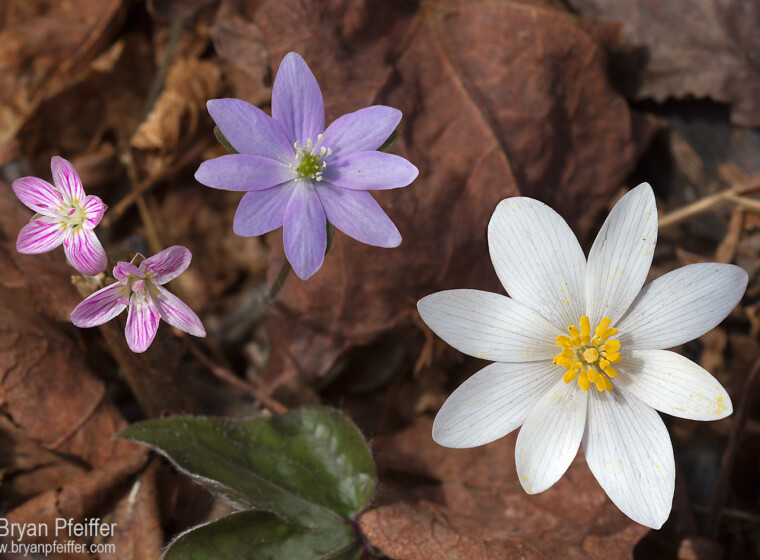
The month of May is a show-off. Woodland wildflowers break out of the ground. Trees flower and leaves burst. Birds arrive on southern winds with song. May shouts of life and rejuvenation. Here’s a few bits of natural history for your May days.
April 2019 Photo-observation of the Month
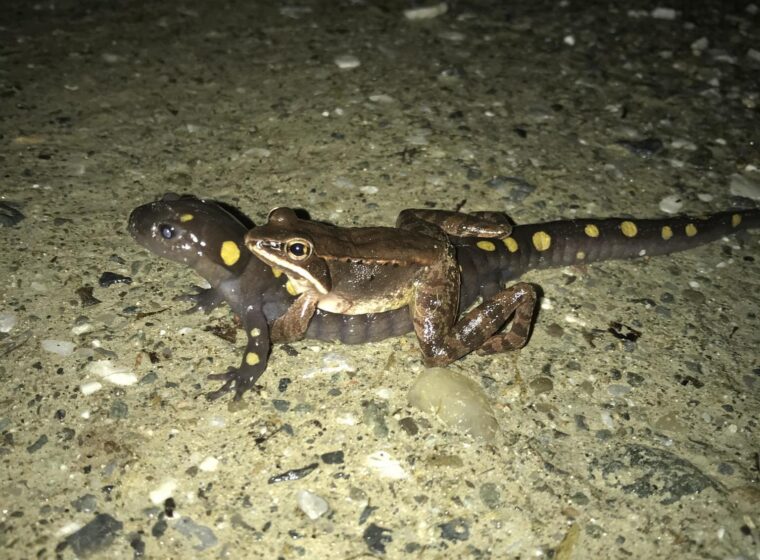
Congratulations to Ashley Bray for winning the April 2019 Vermont Atlas of Life iNaturalist photo-observation of the month. The image of Wood Frog riding a Spotted Salamander during spring migration garnered the most votes….
Outdoor Radio: Visiting Stark’s Winter Den
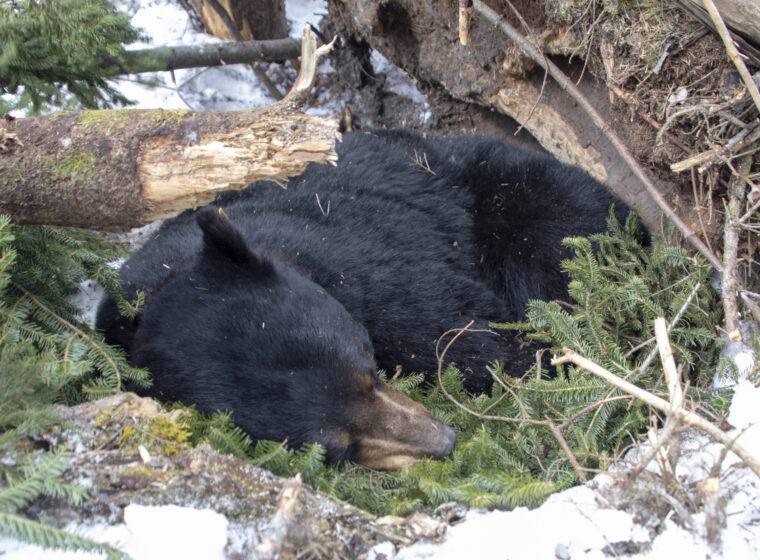
In this month’s episode of Outdoor Radio, Kent McFarland and Sara Zahendra join the team of biologists from Vermont Fish and Wildlife and the Green Mountain National Forest to visit the winter den of one male bear, nicknamed Stark, so that they can replace the GPS collar that tracks his movements.
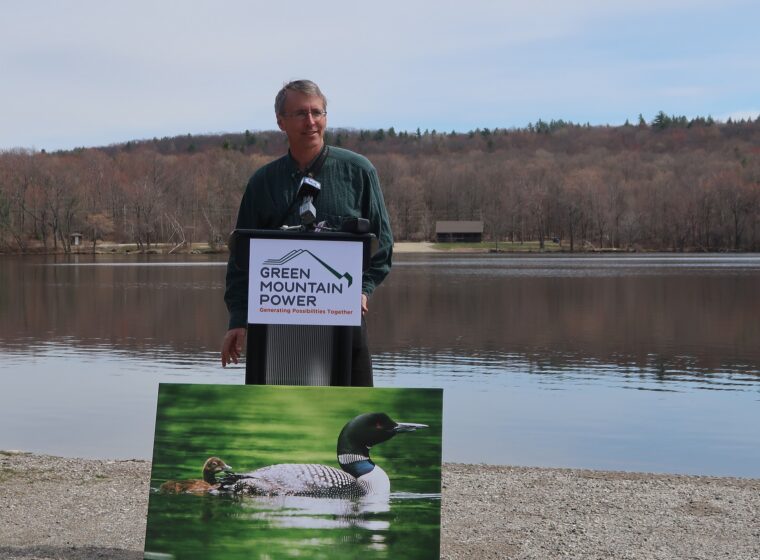
VCE Biologist Eric Hanson Wins GMP-Zetterstrom Environmental Award
We are proud to announce that Eric Hanson, VCE’s loon biologist since 1998 and the guiding force behind recovery of Vermont’s formerly endangered common loon, was presented the 2019 Green Mountain Power (GMP) Zetterstrom Environmental Award on April 23rd!
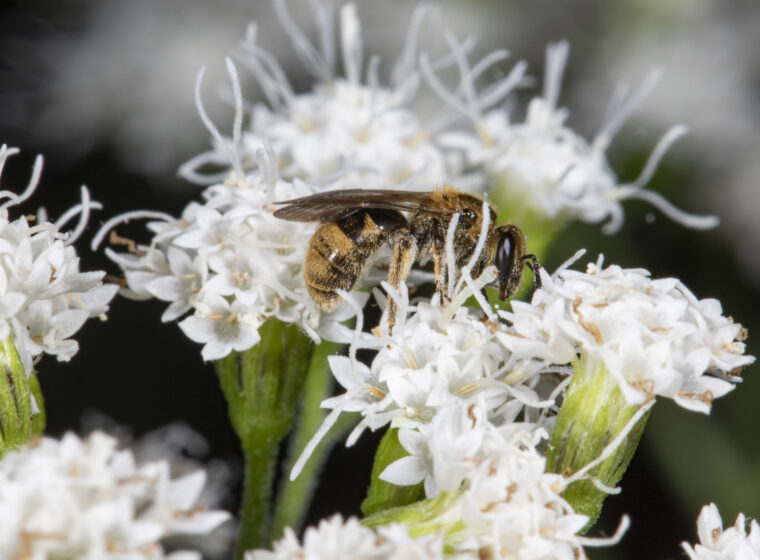
Get the Buzz on the New Vermont Wild Bee Survey
The Vermont Wild Bee Survey represents the first steps towards understanding the status and biogeography of these key elements of Vermont’s natural heritage. Learn more and consider joining in the effort!
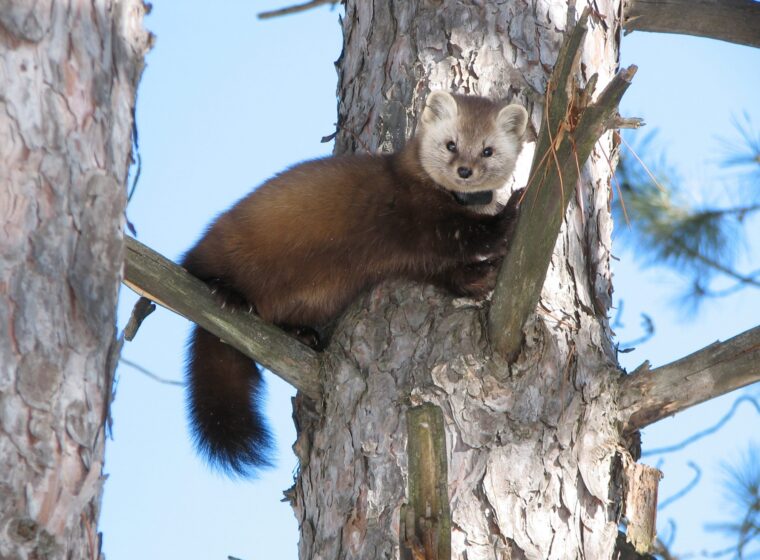
Outdoor Radio: Searching for the Elusive American Marten
In this month’s episode of Outdoor Radio, we join three biologists that work with American Marten conservation and recovery as we travel by car, snowmobile, and snowshoes deep into the southern Green Mountains in search of this rare predator.
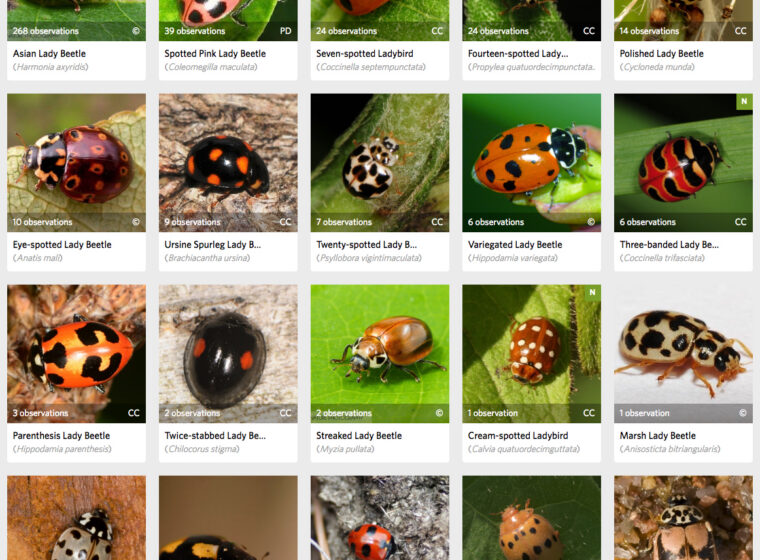
My Fair Lady Beetle
Since at least the 1980s, native Lady Beetles that were once very common across the Northeast have become rare or have even gone missing. Learn more about Vermont lady beetles and help us find them.
March 2019 Photo-observation of the Month
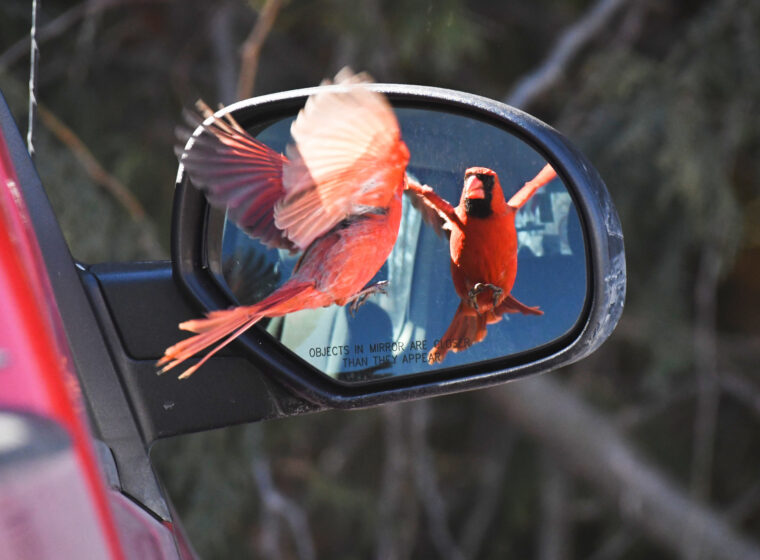
Congratulations to Kyle Tansley for winning the March 2019 Vermont Atlas of Life iNaturalist photo-observation of the month. The image of a male Northern Cardinal attacking his own reflection garnered the most votes.
A Field Guide to April 2019
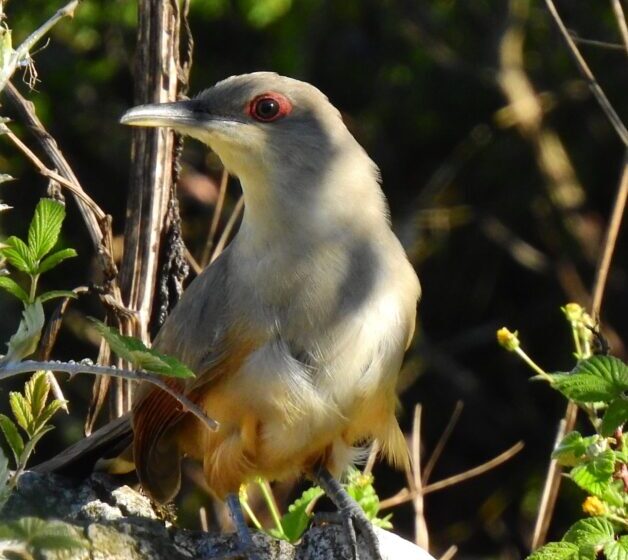
In April the northern forest is laid bare with cold desire. Sight, sounds, and smell – April leaves none of our senses void. Here’s our guide to some of the joys of April.
Red-winged Blackbirds Signal the Arrival of Spring
Perhaps the best sign of spring here in Vermont is the return of Red-winged Blackbirds. They may also be a harbinger of long term change too.
A Field Guide to March 2019
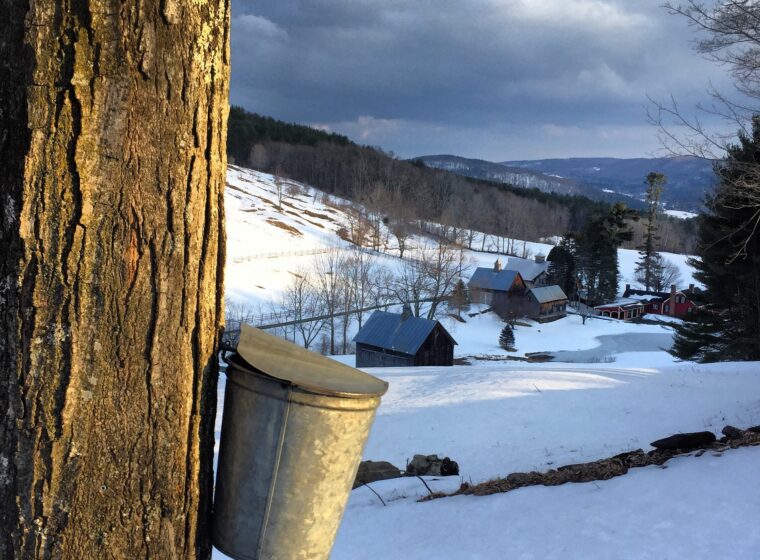
On Wednesday, March 20th at 5:58 PM EST, spring arrives in the north. While the sun may be predictable, March weather is not. March is a month of battles between warm and cold, between winter’s refusal to leave and spring’s insistence on coming. So here’s some signs of spring in this Field Guide to March.
February 2019 Photo-observation of the Month
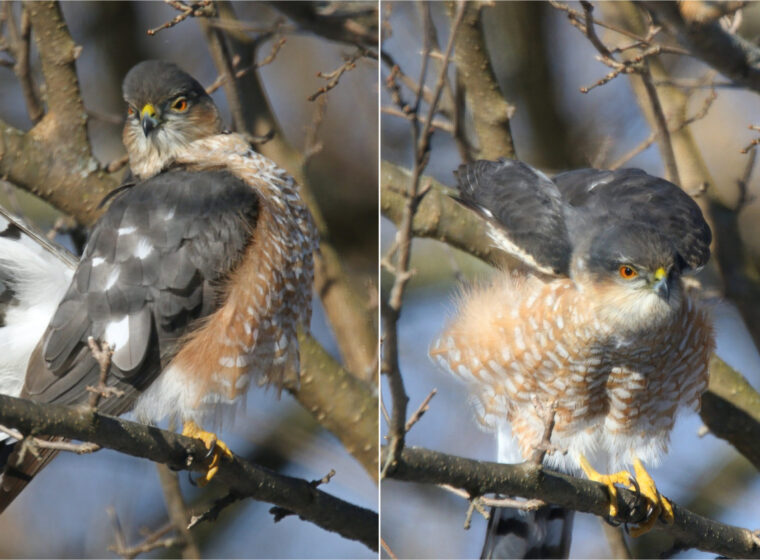
Congratulations to for winning the February 2019 Vermont Atlas of Life iNaturalist photo-observation of the month. The images of Sharp-shinned Hawk preening in a mulberry tree and then staring into the camera lens garnered the most accolades.