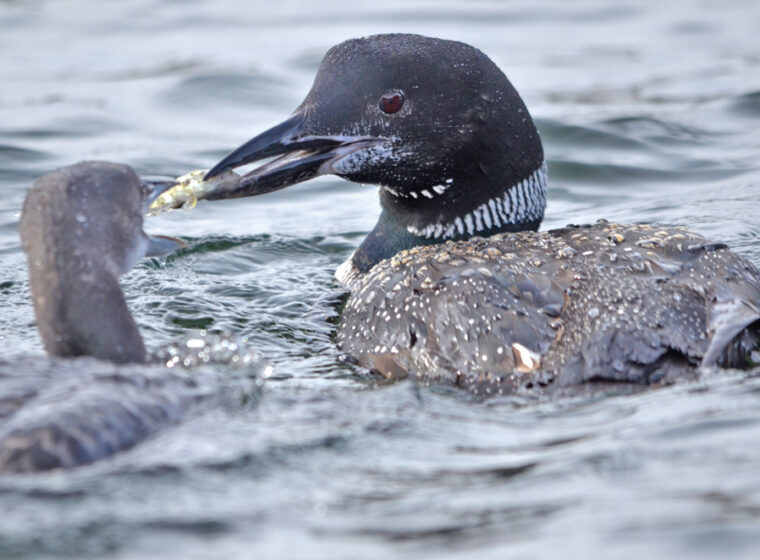
Loon Chicks on Caspian Lake: Flying, Feeding, and Finding A Friend
As the coordinator of the Vermont Loon Conservation Project, VCE’s Eric Hanson receives a good number and variety of stories from volunteer loon watchers. This month he shares VLCP volunteer Nina Sharp’s observations of loon chicks on Caspian Lake. It’s a good read!
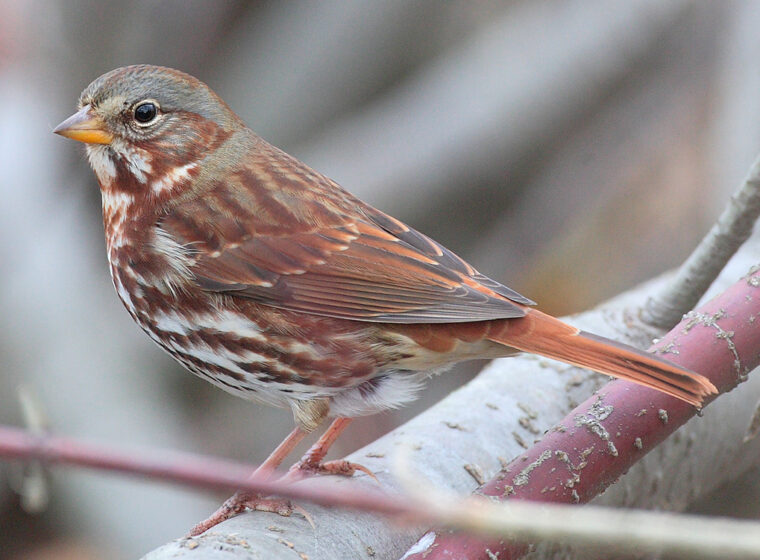
Fox Sparrows: A Boreal Bird on the Move
Fox Sparrows are well known as an early spring and late fall migrant through New England. Recently, though, they have been present in relatively large numbers during the summer in western Maine and northern New Hampshire. An analysis of historical data suggests that the breeding range of Fox Sparrows has expanded southward by several hundred miles over the past 3 decades, and that they are now a regular breeding species in parts of New England.
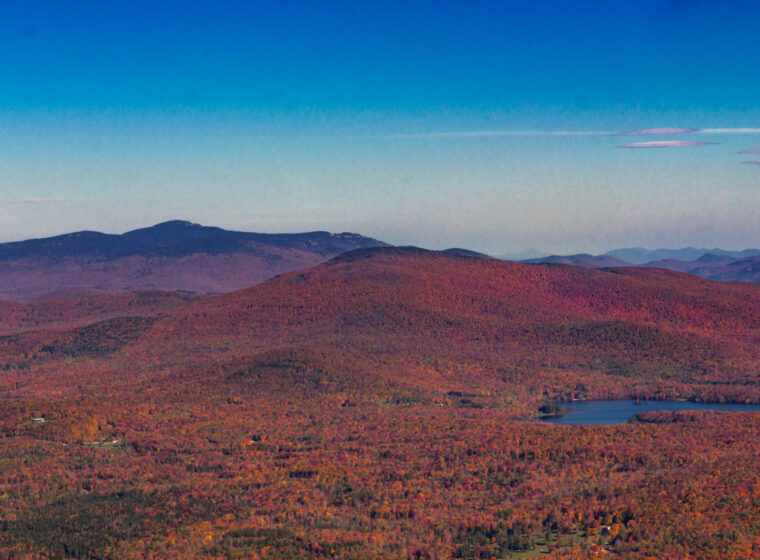
Field Guide to October 2018
October is a month of change. The forested hills fade from green to a kaleidoscope of red and gold that dazzles the eyes. Here’s your field guide to some moments that you might not otherwise notice during these few precious weeks.
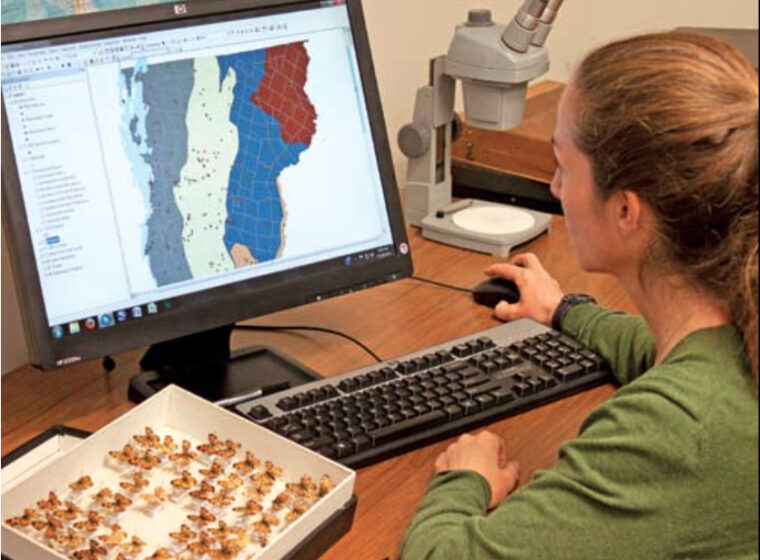
Big data for biodiversity: Vermont Atlas of Life helps GBIF.org surpass 1 billion species occurrences
In July the Global Biodiversity Information Facility (GBIF) surpassed 1 billion species occurrence records with at least one record for over a million species. The milestone symbolizes a major collective achievement, one made possible through the work of the GBIF network, including the Vermont Atlas of Life (VAL) at the Vermont Center for Ecostudies which has contributed over 4 million records and counting!
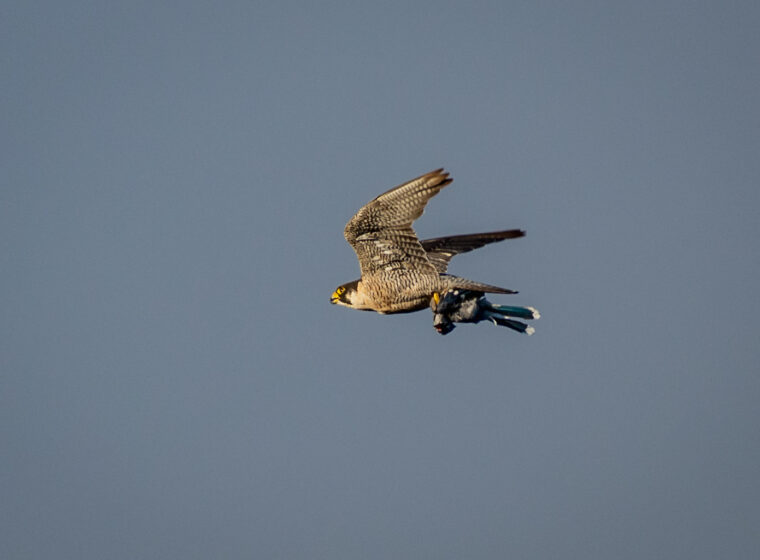
September 2018 Photo-observation of the Month
Congratulations to Kyle Tansley for winning the September 2018 Vermont Atlas of Life iNaturalist photo-observation of the month. The images of a Peregrine Falcon carrying a recently killed Blue Jay was the most popular photo-observation….
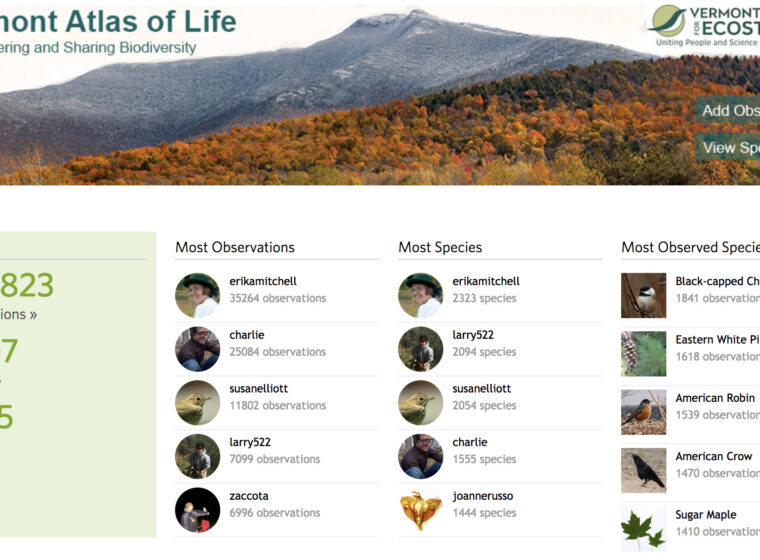
Vermont Atlas of Life on iNaturalist Surpasses Quarter Million Observations
Micki Colbeck snapped a photograph of a beautiful patch of Delicate Fern Moss and submitted it to the Vermont Atlas of Life on iNaturalist, becoming the 250,000 observation for the project.
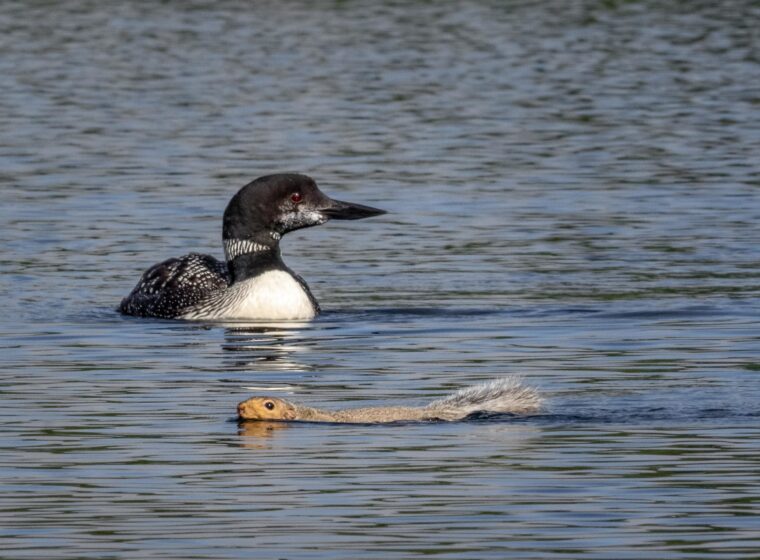
Squirrel Numbers Mount, by Land and Water
The Northeastern U.S. is experiencing a mass movement of squirrels, unlike any most of us have ever witnessed. Dispersing animals are choosing some unusual travel modes, including swimming, and many have ended up as hapless victims of collisions with vehicles. Despite its grisly consequences along our roadways, this food-driven phenomenon is one more example of the ever-fascinating, dynamic ecological links that characterize our natural world.
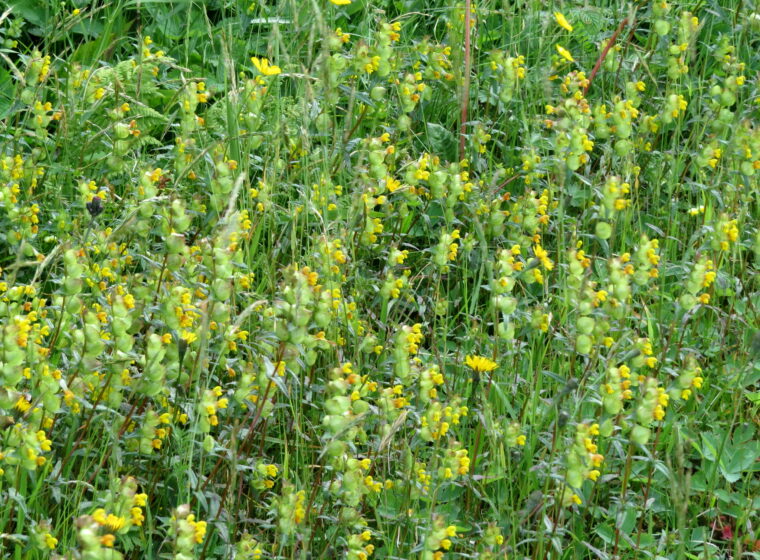
Holding the Line with Hayfield Invasives
Read about how one of our Grassland Ambassadors controls a villainous invasive species in his hayfields, while at the same time providing habitat for grassland birds.
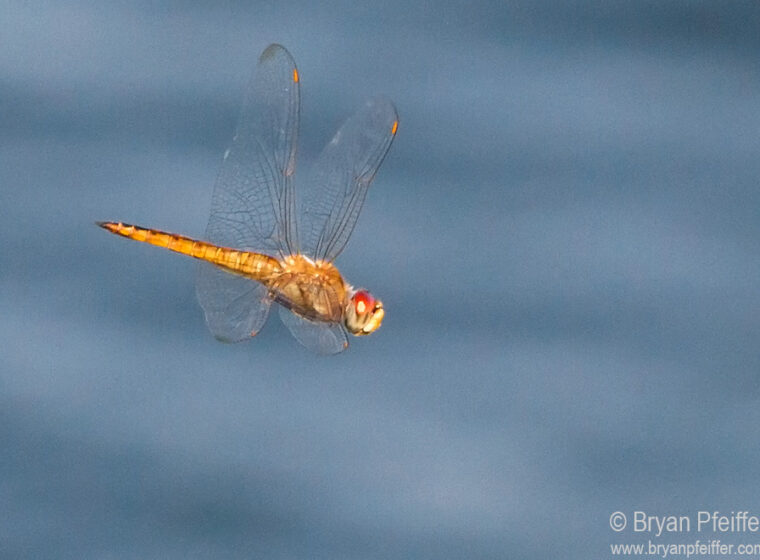
Outdoor Radio: Dragonflies on the Move
Did you know that some dragonflies migrate? Kent McFarland and Sara Zahendra are joined by dragonfly expert Bryan Pfeiffer in an effort to find and maybe catch a migrant dragonfly.

Nathaniel Sharp, VCE Citizen Science Outreach Naturalist
Get to know VCE’s new Citizen Science Outreach Naturalist, ECO Americorps member Nathaniel Sharp!
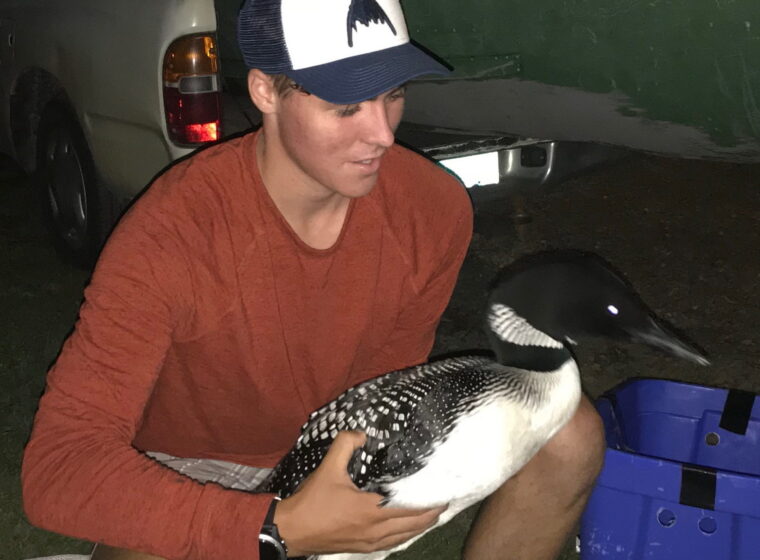
Field Update: Loon Wins and Losses
Every year, some of our returning loons get themselves into “hot water,” so to speak. Eric Hanson, VCE’s loon biologist, gives us his mid-season good news/bad news update here.
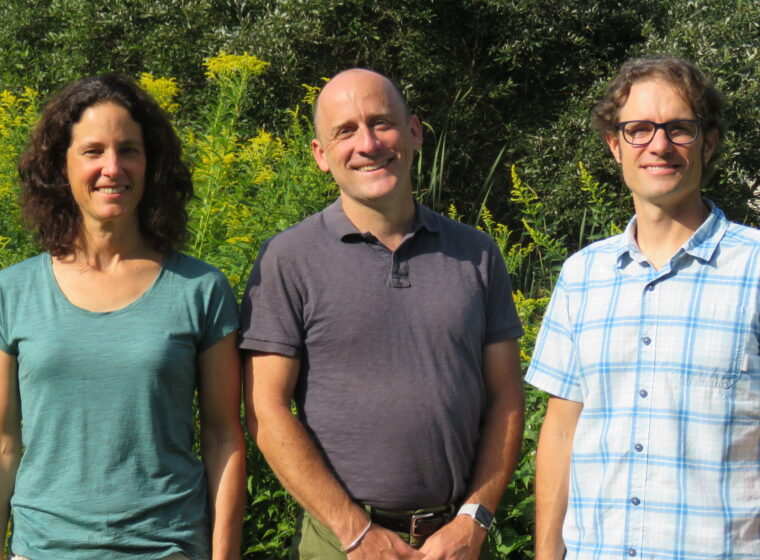
Three VCE Biologists Appointed as Adjunct Faculty at UVM
We are pleased to announce that three VCE biologists have been appointed as adjunct faculty in the Rubenstein School of Environment and Natural Resources at the University of Vermont.