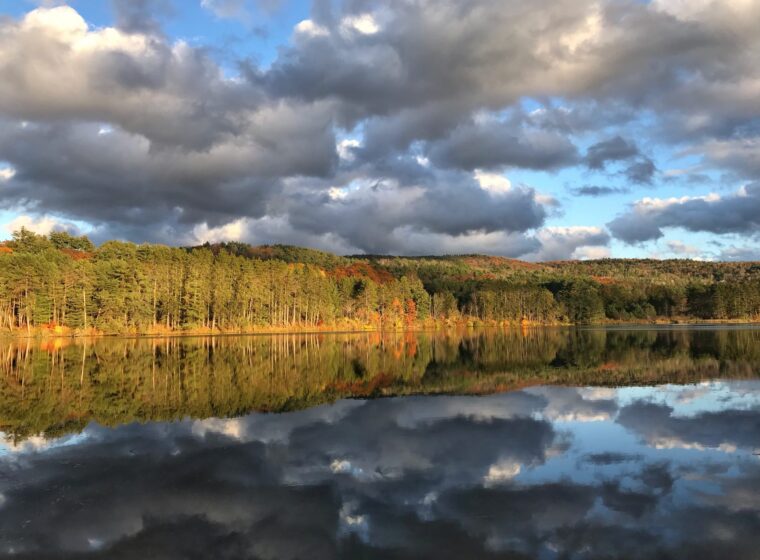
Field Guide to September 2018
It’s autumn and life all around us is on the move. Here is your field guide to some amazing migrations happening right around us, and a few other natural history tidbits for September.
August 2018 Photo-observation of the Month
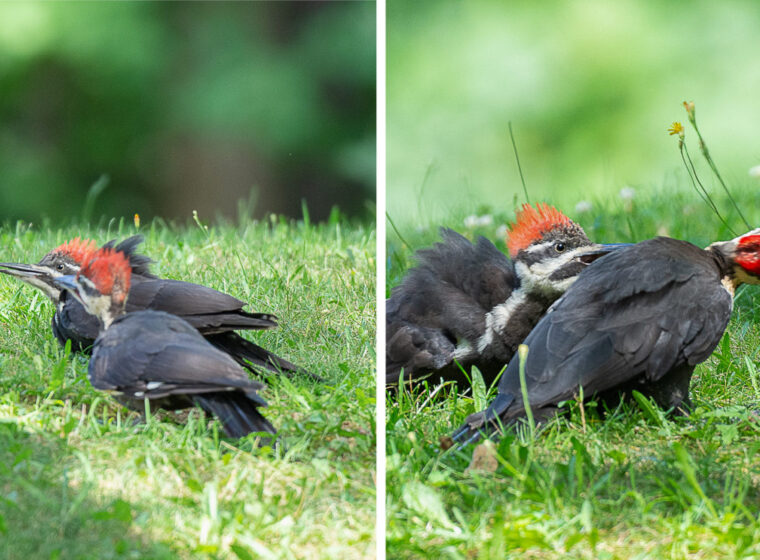
Congratulations to Kyle Tansley for winning the August 2018 Vermont Atlas of Life iNaturalist photo-observation of the month. The images of a Pileated Woodpecker feeding recently fledged young was the most popular photo-observation.
Outdoor Radio: Endangered Freshwater Mussels
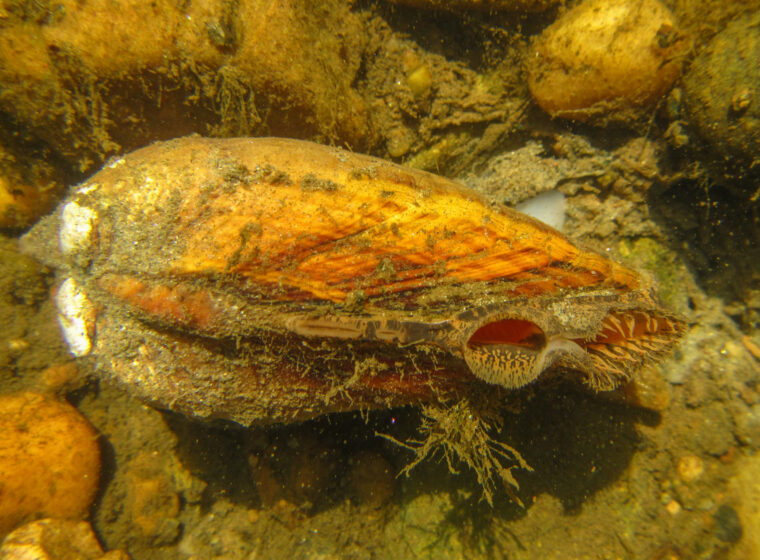
In this month’s episode of Outdoor Radio, biologists Kent McFarland and Sara Zahendra join Mark Ferguson from the Vermont Fish & Wildlife Department along the river in downtown Winooski to search for freshwater mussels and learn about their natural history and conservation plight.
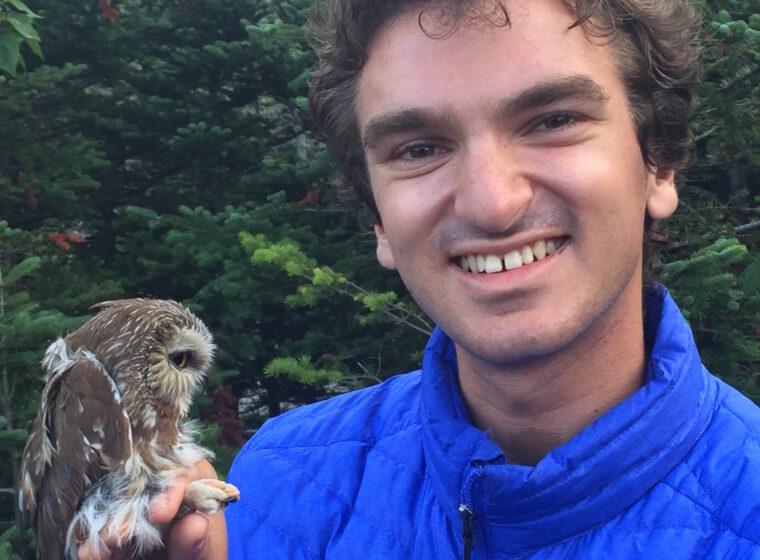
Mansfield Reflection: A Bird in the Hand Instills a Conservation Ethic
Alex Kulungian’s summerlong VCE internship gained him a wealth of experience and insight, including how vital it is that we expose and inspire our youth to take action on behalf of the natural world. An encounter as simple as releasing a banded bird on Mt. Mansfield can be the trigger for a lifetime commitment to conservation.
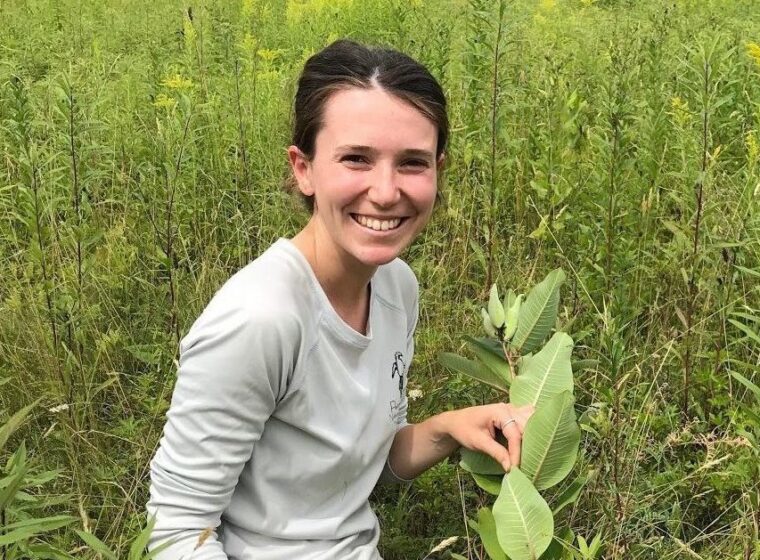
Mission Monarch Nearly Nixed by Missing Milkweed
What had been promised as an easy venture turned into something of a quest.
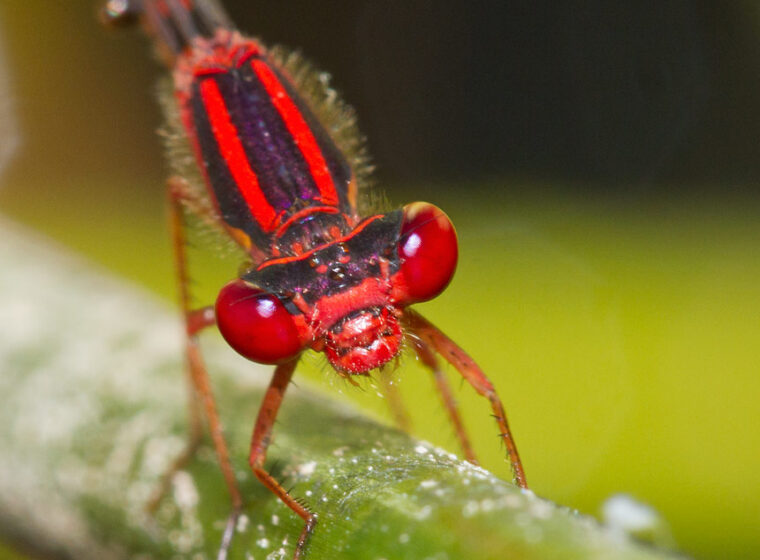
When a Bluet Isn’t Blue: Vermont’s “Newest” Damselfly
Congratulations, Vermont. You’ve got a new damselfly. Here’s a tale about a bluet that’s defies the “blue” in its name. It becomes Vermont’s 45th known damselfly species.
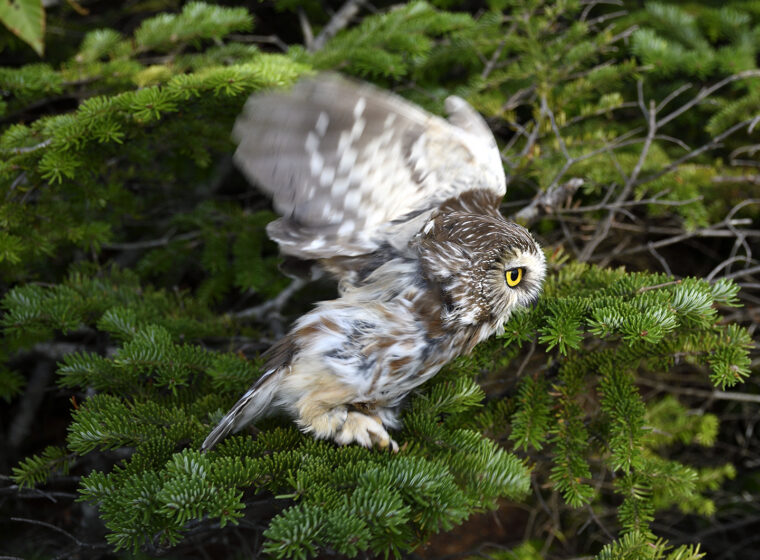
Mansfield Wrap: Molt, Migration, and a Crowd-Pleasing Owl
VCE’s final 2018 summer banding session on Mt. Mansfield featured a much-anticipated tiny owl, songbirds in heavy flight feather molt, and thoughts about the impending fall migration that will take Bicknell’s Thrush (and VCE biologists) back to Cuba.
Vermont Naturalists Find Over 370 Species During National Moth Week
Volunteer naturalists from across Vermont uploaded over 1,200 images of moths comprising more than 370 species during National Moth Week. Moth watchers here in Vermont have added nearly 100 new species to the Vermont checklist via the Vermont Atlas of Life on iNaturalist and have documented 1,248 species across the state so far.
July 2018 Photo-observation of the Month
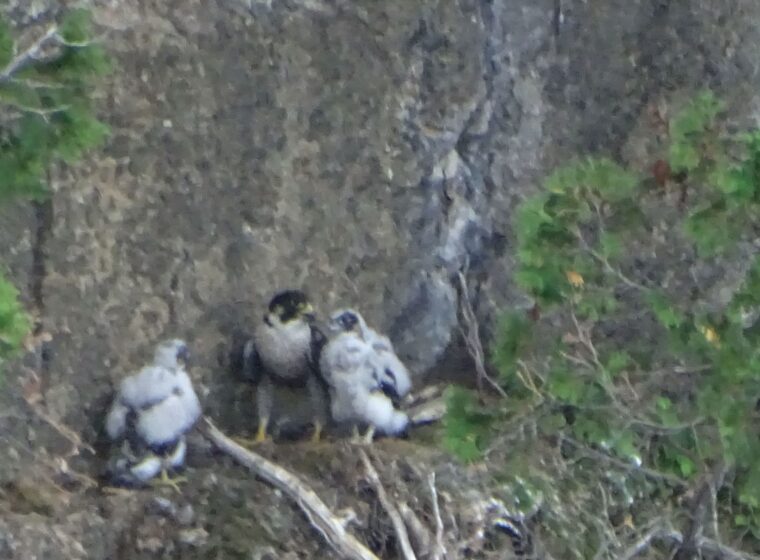
Congratulations to Shirley Zundell for winning the July 2018 iNaturalist Vermont photo-observation of the month. The image of an adult Peregrine Falcon in its eyrie with two chicks was the most popular photo-observation.
Field Guide to August 2018
We’ve still got plenty of summer here in Vermont and points north. So in this edition of VCE’s monthly field guide to nature, we’ll celebrate a few audacious summer insects. But we’ll also alert you to animals on the move.
Mansfield Update: Hatch-years Predominate
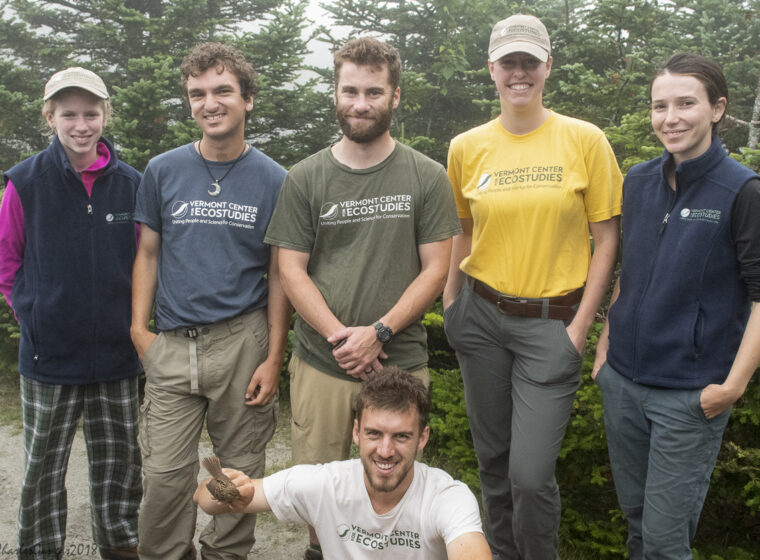
VCE’s penultimate summer banding session featured relatively few birds, some very warm and humid weather, a preponderance of youthful banders, and several family members.
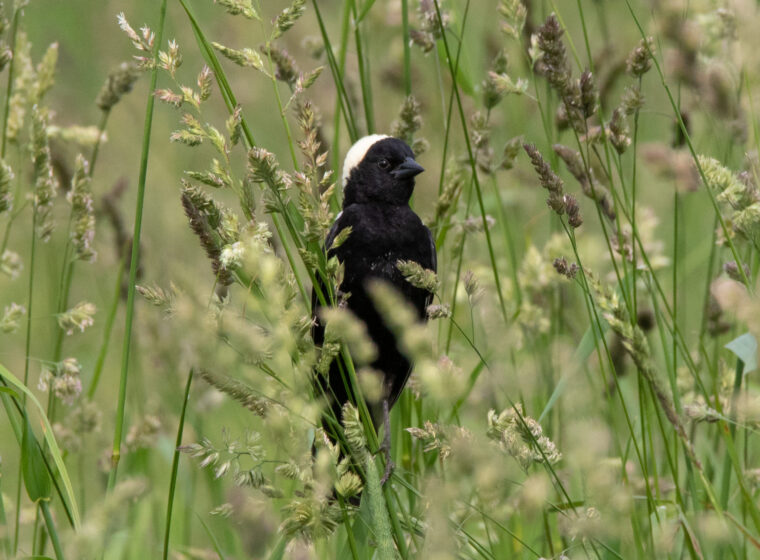
Outdoor Radio: Grassland Ambassadors Help Globetrotting Bobolinks Successfully Nest
In this month’s episode of Outdoor Radio, biologists Kent McFarland and Sara Zahendra join VCE ornithologist Dr. Roz Renfrew on a visit to a farm in South Woodstock where Bobolinks and other grassland birds successfully breed each summer.