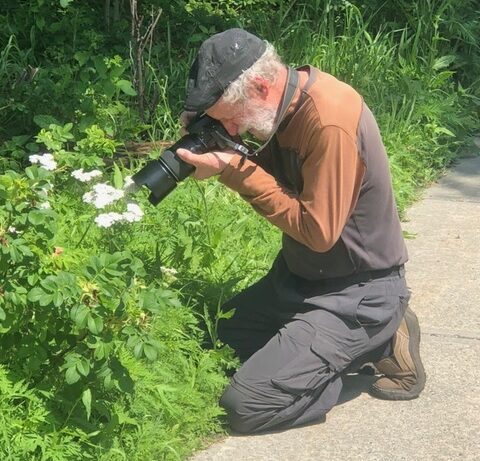
Bernie Paquette Receives the 2025 Julie Nicholson Community Science Award
VCE bee biologist Spencer Hardy first met Bernie Paquette at the 2019 Jericho-Underhill Christmas Bird Count. Paquette had long since retired from his career at IBM in Essex Junction, but…
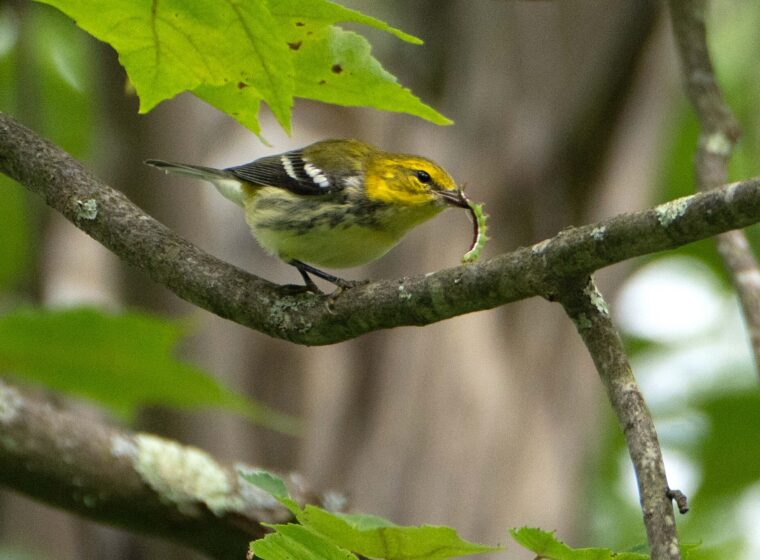
More Than Weeds: Herbicide Dicamba’s Return Could Impact Wildlife, Too
Dicamba is a controversial herbicide that has caused issues for both ecosystems and people. However, the EPA announced in July its intention to authorize its sale to farmers—again.
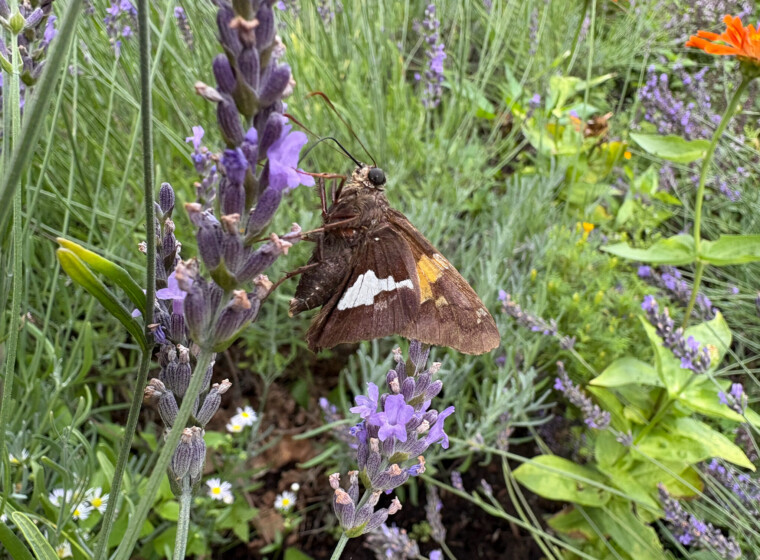
Is Our Tick Anxiety Affecting Pollinators?
In a soon-to-be-published VCE study, tick spraying was associated with a five to 30% immediate decline for most invertebrate groups, especially less mobile and soft-bodied arthropods, like native caterpillars that turn into moths and butterflies.
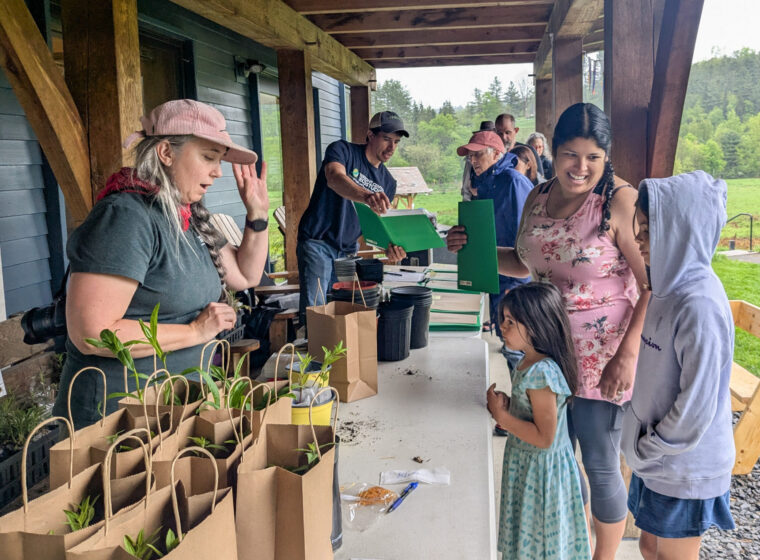
Community Science in Action: How I Recruited 700 Volunteers to Our Plant Ecotype Project
The Adopt-A-Plant project paired native plants with volunteers eager to grow them in their backyards and report observations back to VCE.
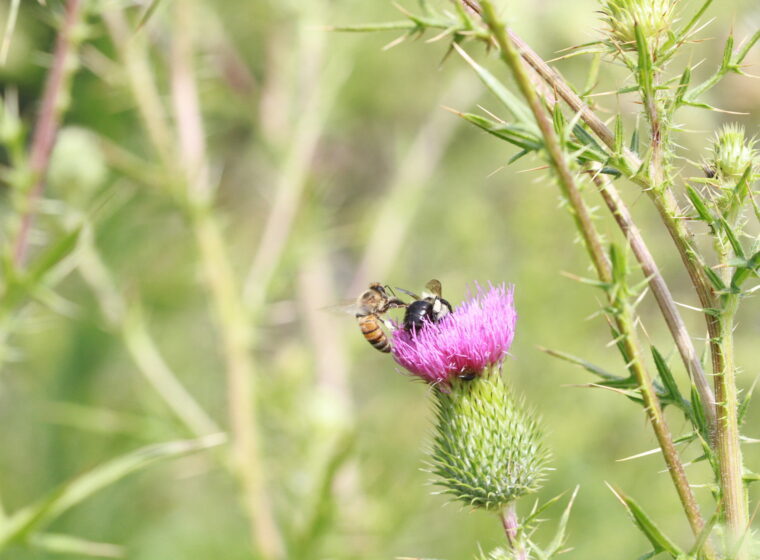
Are Honey Bees Good?
As a wild bee biologist for VCE, I’ve spent the better part of the last five years studying, counting, and watching native bees, which are often overlooked in favor of their domesticated cousins.
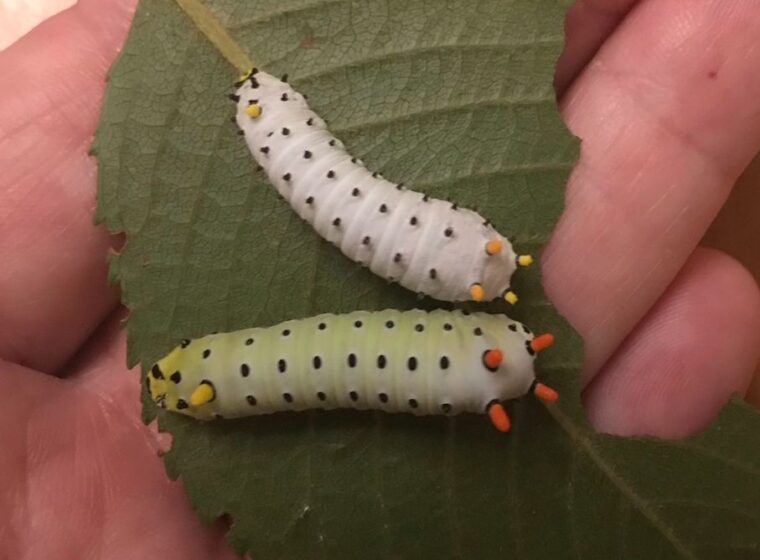
New Study Shows Native Cherry Trees Better Support Native Moths
Native plants are great and all, but what if all they have at the garden center is a closely related, non-native species imported from Asia or Europe? A new paper by VCE biologist Desirée Narango has the answer.
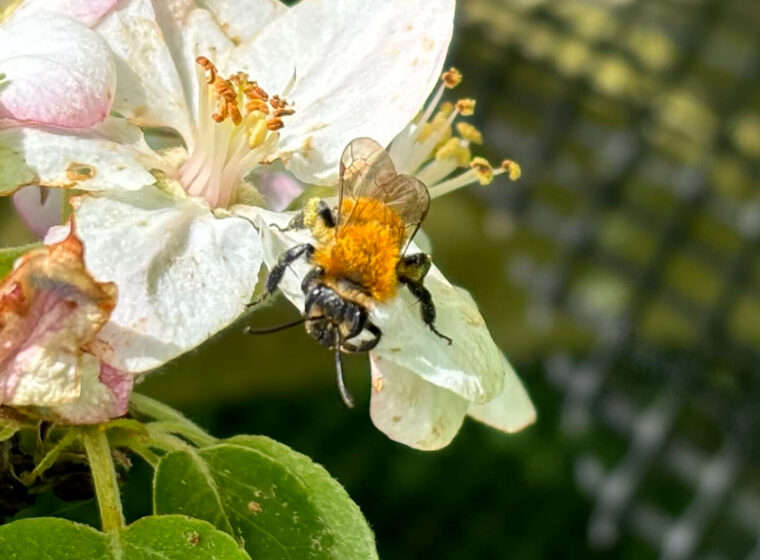
Know Your Five Apple Pollinators
With more than 350 species of wild bees in Vermont, it’s daunting to understand them all. So let’s start with a beloved flowering tree that is all over Vermont’s commercial…
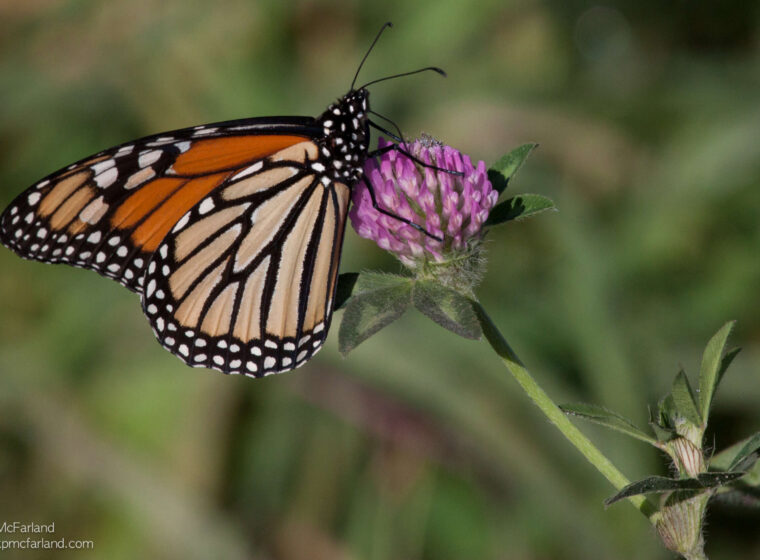
Vermont State Butterfly Proposed for Threatened Species Listing
For many Vermonters, Monarchs are a much-anticipated sign that summer is truly here. However, experts have long been growing concerned over declines in migratory Monarch populations. In December 2024, the U.S. Fish & Wildlife Service officially proposed to list the species as Threatened.
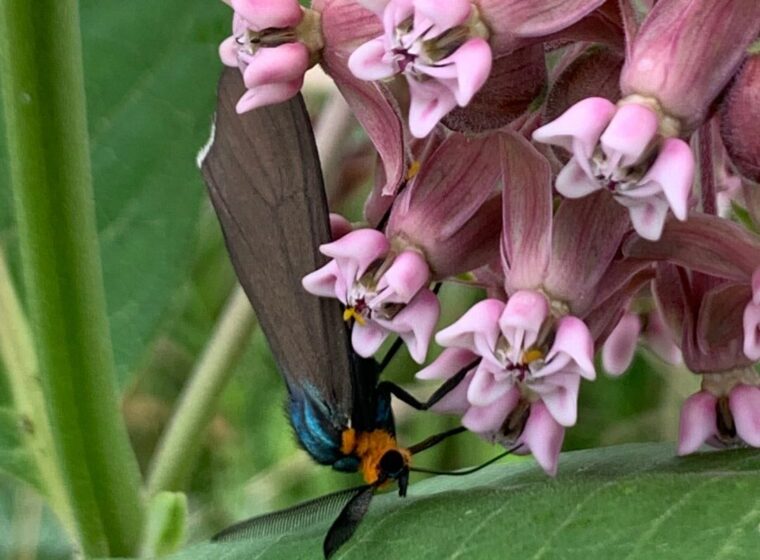
2024 Field Season in Review
Wow, what a field season! Do we feel like that every year at VCE? Truthfully, yes, but this year is one for the books.
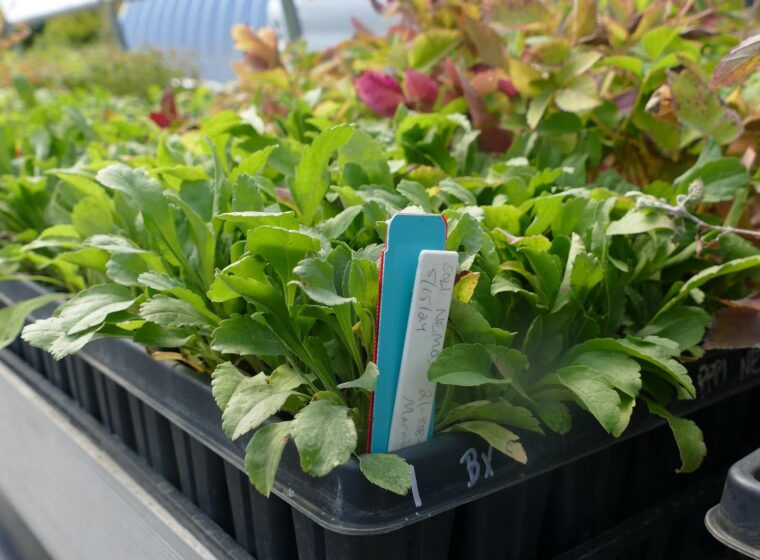
VCE Begins New Plant Provenance Project
To better understand how pollinators interact with plants from different provenances, VCE Conservation Biologists Desiree Narango and Ryan Rebozo have launched a new three-year project with the Native Plant Trust (NPT) with funding from the One Hive Foundation. Our new study involves establishing six experimental common gardens across the Upper Valley of Vermont and New Hampshire
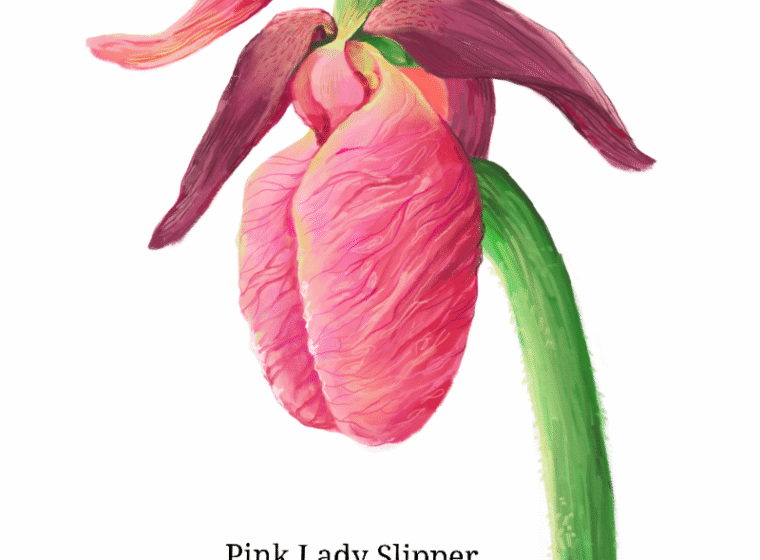
My Summer in Species: Illustrated
This summer, I worked with VCE as an interdisciplinary intern. By being able to dip my toes into a little bit of everything, I got to learn first-hand that there are so many ways to be a scientist, and so many wonderful subjects to study.
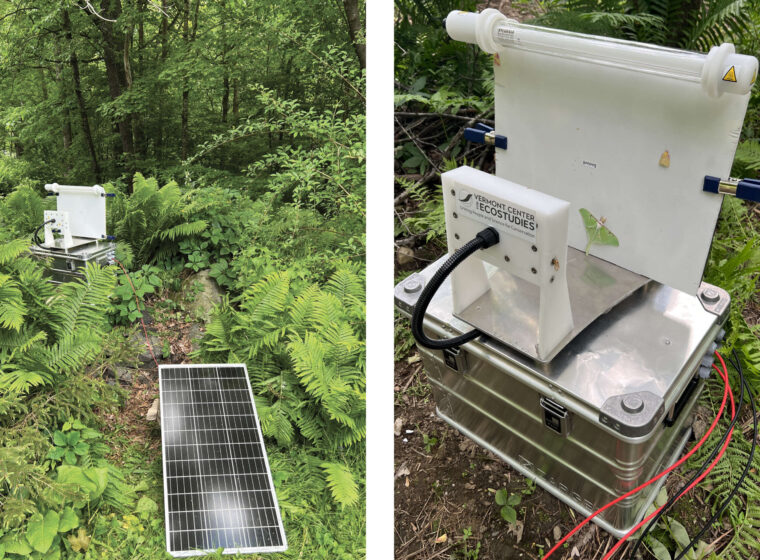
Building an Automated Moth Monitoring Network
How are moth populations faring in Vermont? Except for a few species, no one really knows. A few years ago, VAL teamed up with community scientists, biologists, engineers, and computer scientists from around the world to change that. Now, we are poised to understand moths like never before.