Know Your 5: Bee Species That Pollinate Brambles Like Raspberry Flowers
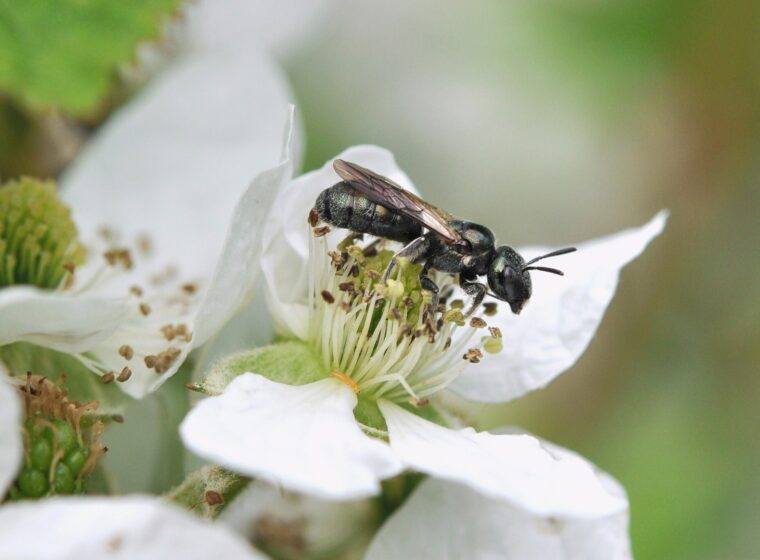
There are many native brambles visited by a wide variety of bees, most of which are likely also in commercial plantings. Most brambles are moderately self-fertile and insect mediated pollination is important for uniform berry shape and for large, marketable fruit.
Field Guide to June 2026
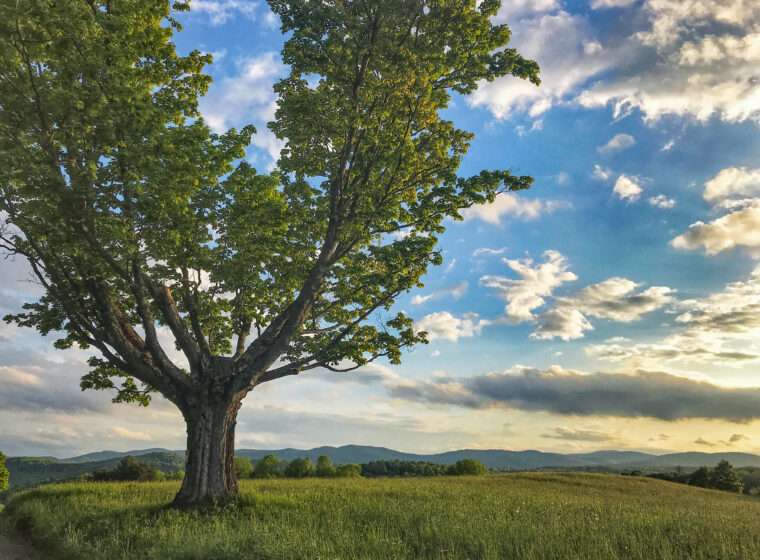
There is a lot for the keen listener to explore this month: the air is filled with the sounds of chirping, calling, and singing birds and buzzing insects.
The Hidden Conservation Value of Powerline Corridors
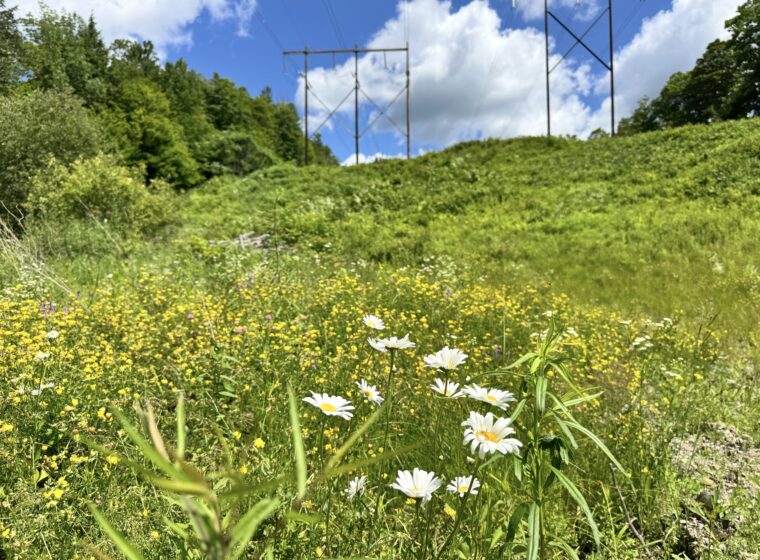
While they are not natural, utility rights-of-way nonetheless partially fulfill the role of early successional habitats for pollinators and shrub-nesting birds. Here’s how to manage them to maximize their biodiversity.
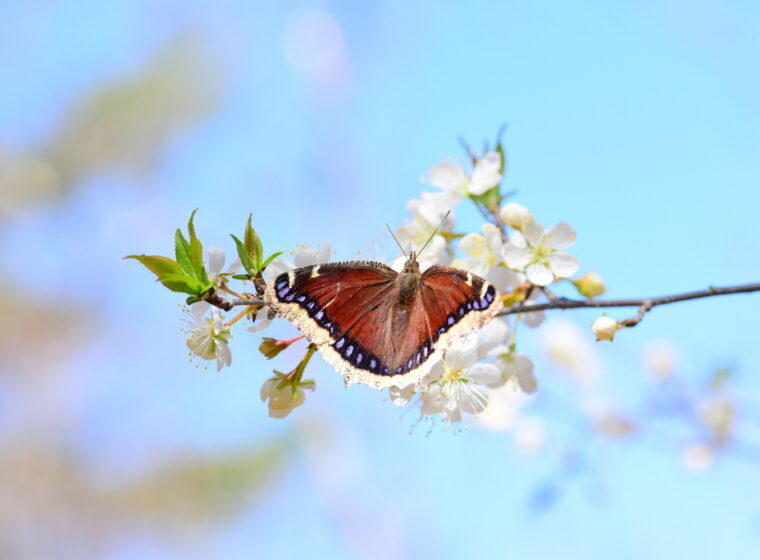
Know Your 5: Wild Pollinators for Stone Fruit Crops
Most stone fruit species bloom in early spring, when northeast weather conditions are often cool and unpredictable, so are likely more dependent on wild pollinators that are more tolerant of lower temperatures and windy conditions than Western Honey Bees.
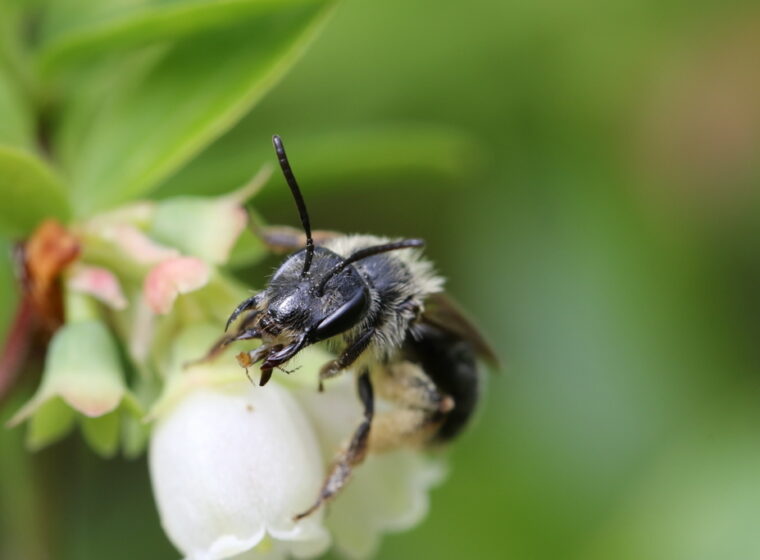
Know Your 5: Wild Bees That Pollinate Blueberries
Both Northern Highbush and Lowbush Blueberries are widespread in the northeast and an important food for many wild bees. Bushes that have limited or no pollen transfer by bees will be small, ripening will be delayed, early fruit drop may result, and most berries would not meet market standard quality.
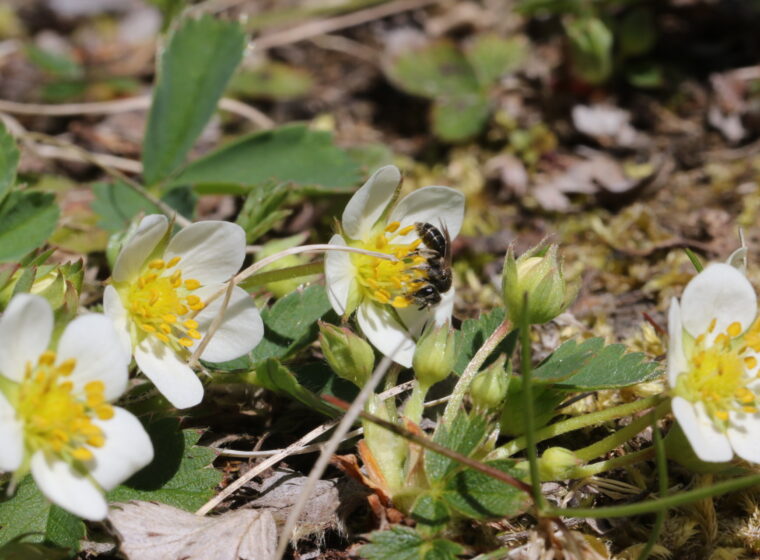
Know Your 5: Wild Bees That Pollinate Strawberries
By identifying and understanding the natural history of these bees, you can provide the specific habitat that will help to ensure resilient and abundant pollination services and the tasty treats that result.
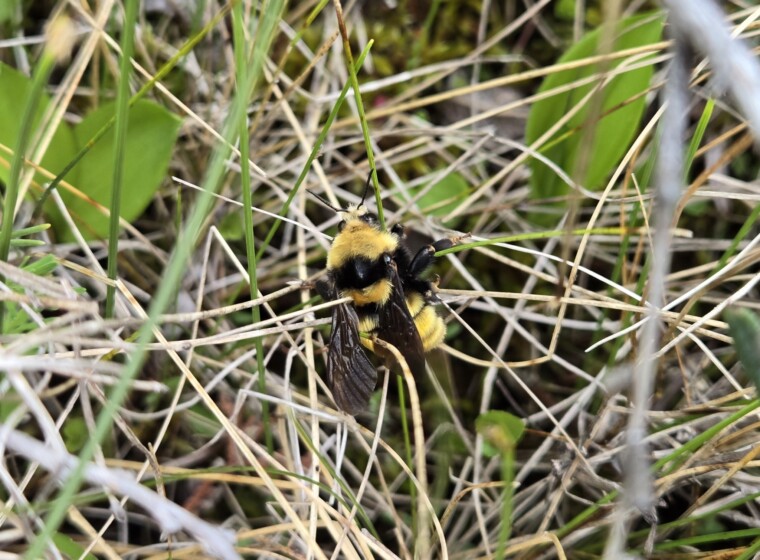
Does No Mow May Invite Invasives and Ticks to Your Yard?
The term “No Mow May” seems to imply that helping our pollinators is as simple as that: not mowing. But there are drawbacks.
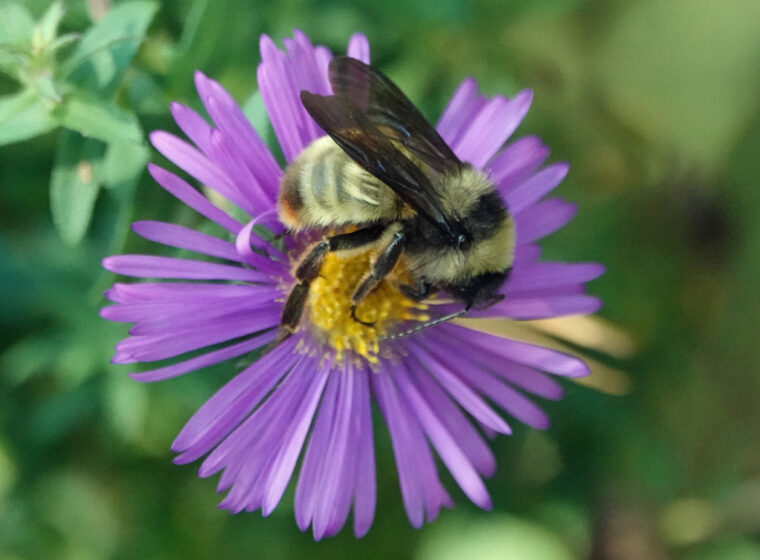
New Mission for Bumble Bee Watchers in the Northeast!
Although they are noted to be in steep decline, many volunteers have observed that these vulnerable bee species often visit plants in backyards and gardens. You can help scientists find and study them!
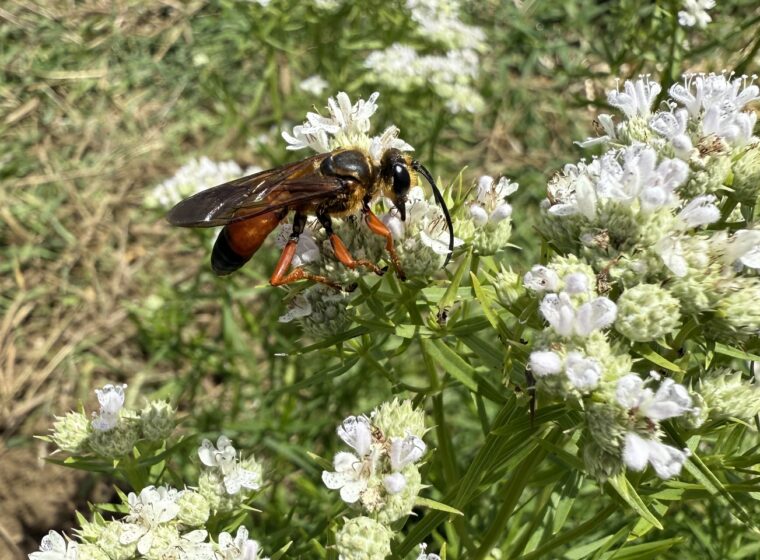
Not Just Bees: How to Support All Types of Pollinators in Your Garden
When you think of pollinators, what is the first thing you think of? What would you say if I told you that flies and beetles were also pollinators? How about wasps? Here’s how to help conserve even the least appreciated ones in your backyard.
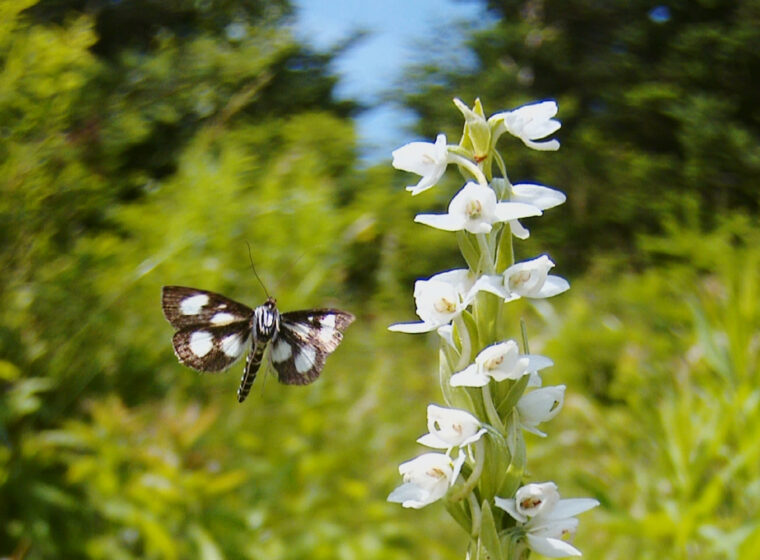
Mysterious No More: What’s Pollinating the White Bog Orchid
North America is home to over 200 species of wild orchid, but for such a beloved group of plants, it’s remarkable how little we know about their insect relationships. Half of our orchids have no known pollinator. That’s where studies like mine—plus help from volunteers like you—can help fill the gap.
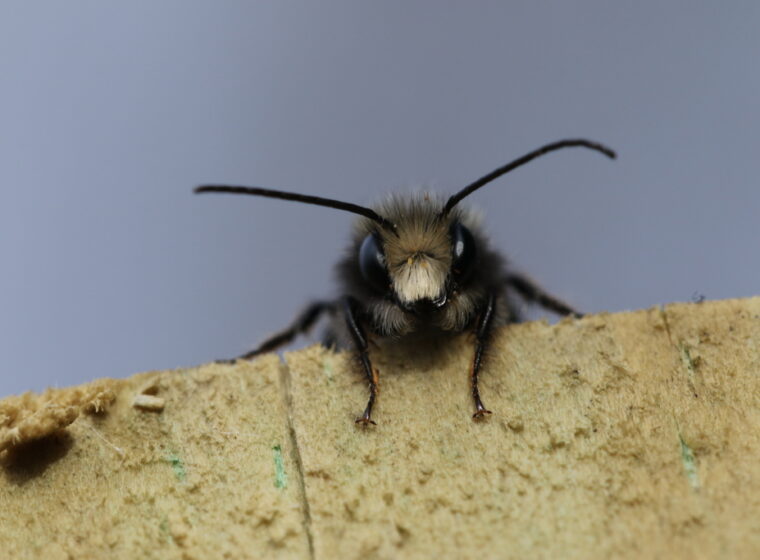
Don’t Buy Those Baby Bees
A few bees from the internet aren’t likely to help your garden. In fact, there is a chance that box of bees could harm the wild, native bees that already inhabit your neighborhood.
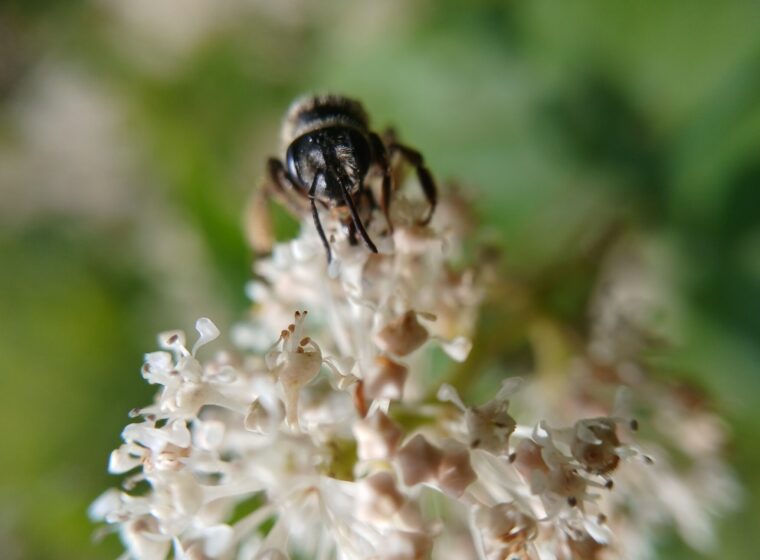
The Journey of a Single Bee Observation
A geologist mentioned that he uses iNaturalist in the university classes he teaches. “We contribute a lot of observations,” he said. “Who knows if they’re really of use to anyone?” Oh, they are.