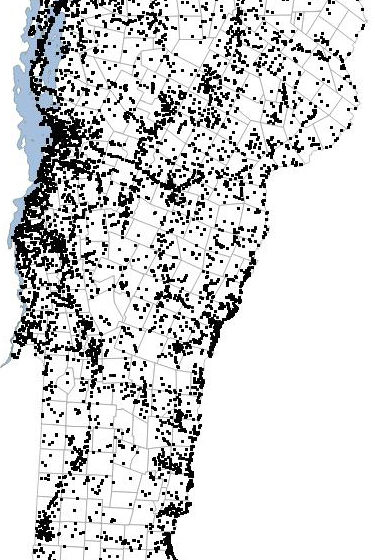
Champions Crowned for 5th Annual Vermont eBird County Quest
The 5th annual Vermont County eBird Quest pitted county versus county, birder against birder — all engaged in a friendly rivalry for top birding honors. Read the results of this remarkable effort.
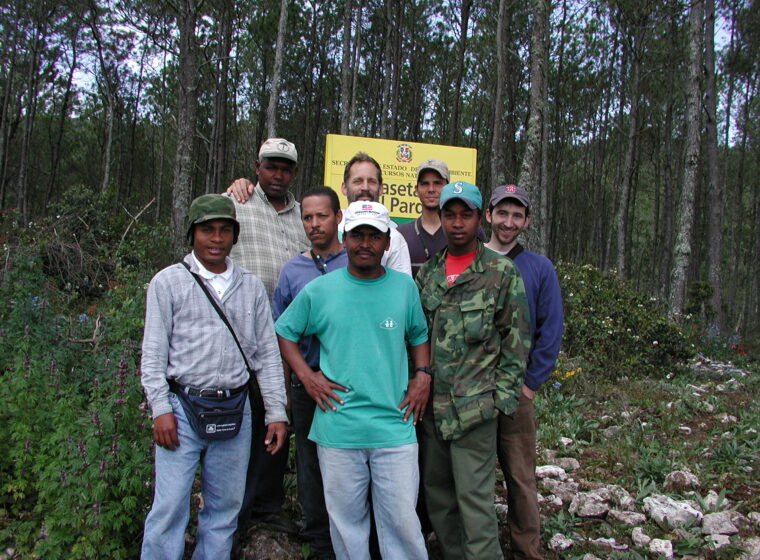
On the conservation of tropical birds and the fruits of long-term research
VCE scientists began operating bird-banding stations in the cloud forests of the Dominican Republic 20 years ago. New research published yesterday reveals the value of long-term field work for conservation.
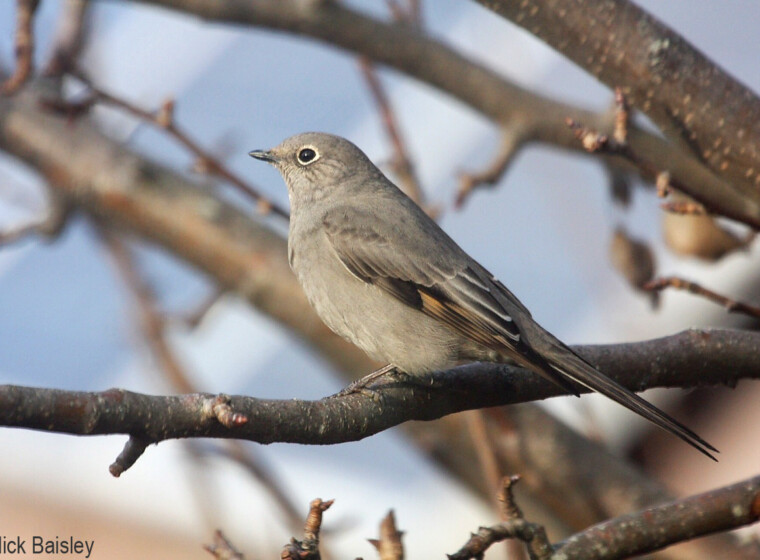
“Rarity Roundup:” Hot Birds from the Christmas Count Season
A balmy December, unfrozen lakes, and many eager birders in the field conspired to produce Tufted Duck, Pacific Loons, White-eyed Vireo, Rose-breasted Grosbeak, Townsend’s Solitaire, and a smattering of other rare and usual birds in Vermont during the past few weeks.
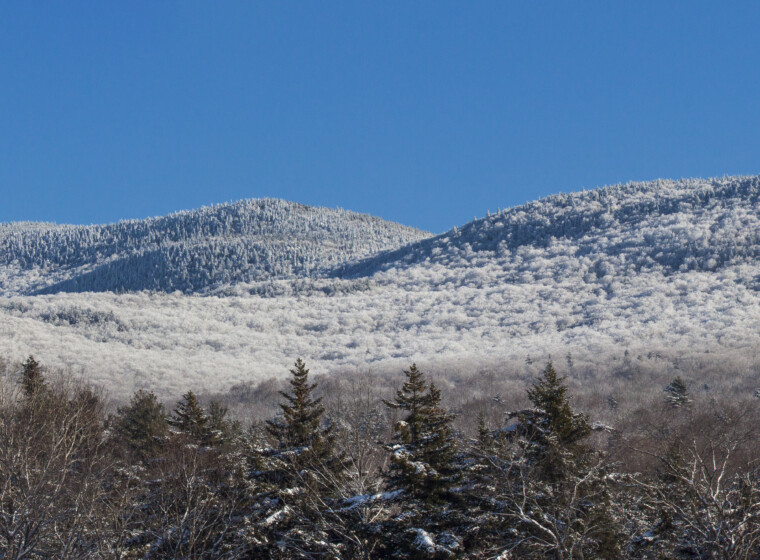
A Field Guide to January
With record breaking temperatures and lack of snowfall in December, many of us are hoping that the traditional “January thaw” will bypass us this year, if it even exists at all. With or without the weather anomalies, there’s plenty of life outdoors for us to discover in deep winter. Here’s a few tidbits to get you to bundle up and head out the door.
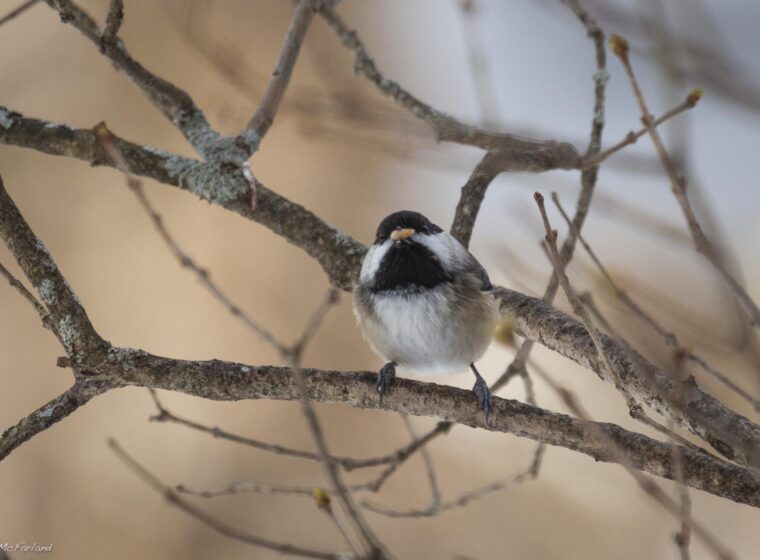
Outdoor Radio: Being a Bird Brain May Not Be Bad
This month on Outdoor Radio, biologists Sara Zahendra and Kent McFarland watch chickadees at a bird feeder. They explain the unique adaptation that allows these birds to remember where they hide all those seeds.
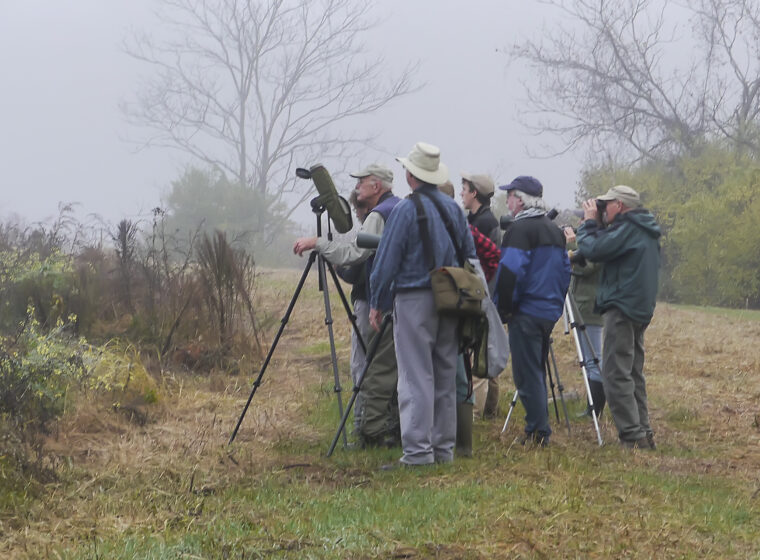
Make Vermont eBird your New Year’s Resolution for 2016
Since its inception 14 years ago, Vermont eBird has grown in leaps and bounds thanks to the dedication of Vermont bird watchers. We also hear from many who say that they want to submit to Vermont eBird more often or that they “keep meaning to get started” but have yet to “take the plunge.” Together, let’s make 2016 the year without regret!
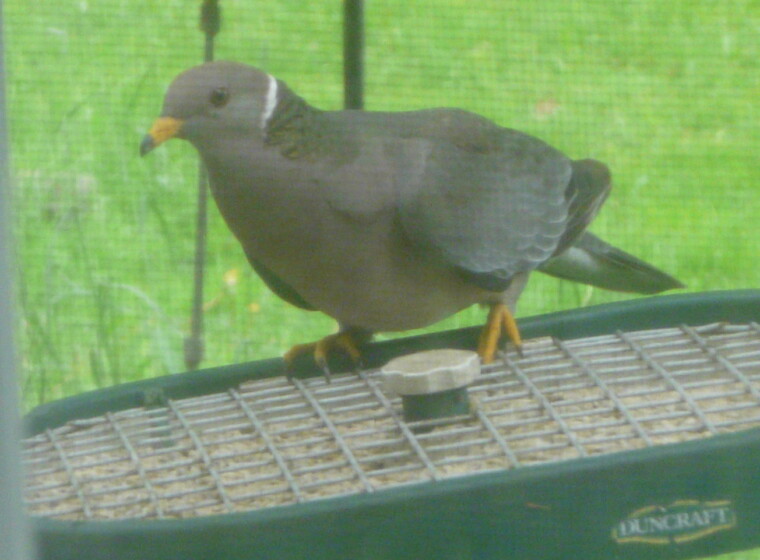
Two New Bird Species Found in Vermont
The Vermont Bird Records Committee (VBRC) held its 35th annual meeting in November and reviewed 39 detailed reports of rare, out-of-season, and rare nesting species submitted by birdwatchers. Two new species of birds were discovered in Vermont as well as many other notable records.
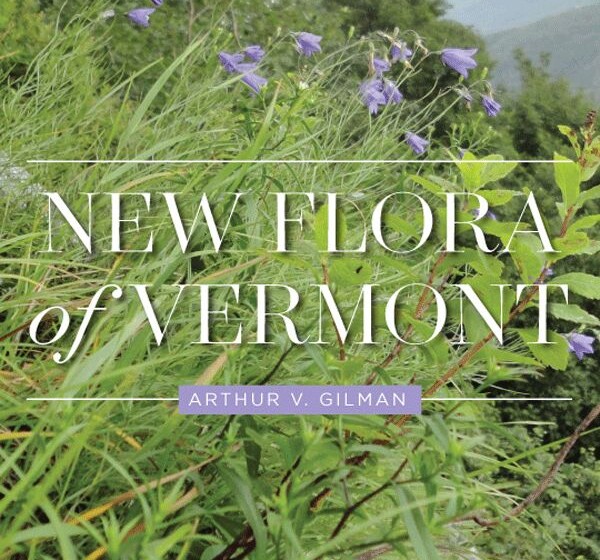
Comprehensive New Book Published on Vermont’s Plants
A comprehensive new manual of Vermont’s plants has been released by the New York Botanical Garden Press. The first reference of its kind since 1969, New Flora of Vermont was written by botanist Arthur Gilman of Marshfield, Vermont.
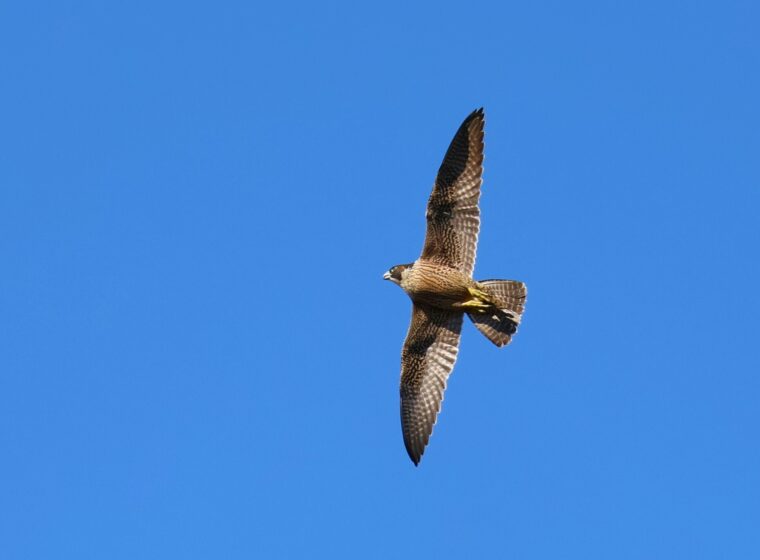
Sharing (data) is caring: VCE and open data
We here at VCE think a lot about the value of sharing, and not just during the holidays. With the help of many, including our dedicated corps of citizen-scientists, we collect lots of information about the natural world and try to put it to good use. We do our best to make sure that our data, and the knowledge we gain from it, gets into the hands of the people that need it.
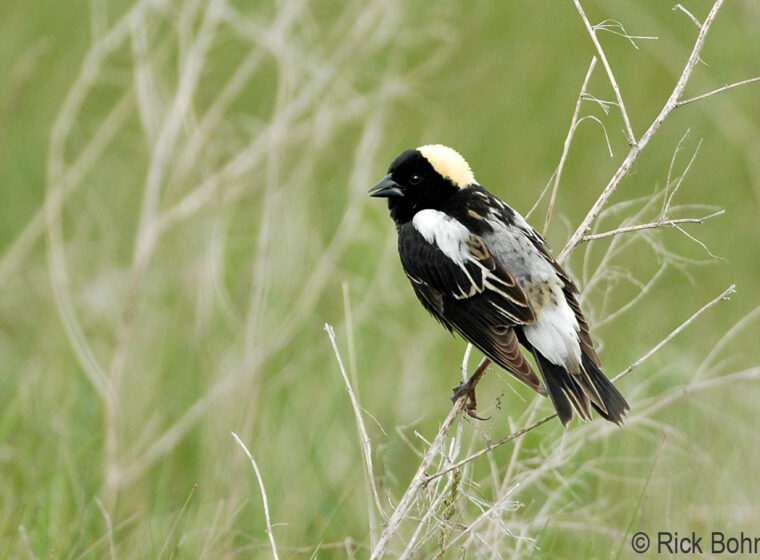
Globetrotting for Grassland Birds
Rosalind Renfrew reports on her two-month journey to South America, where she worked with VCE’s conservation partners to reverse the disturbing population decline among Bobolinks.
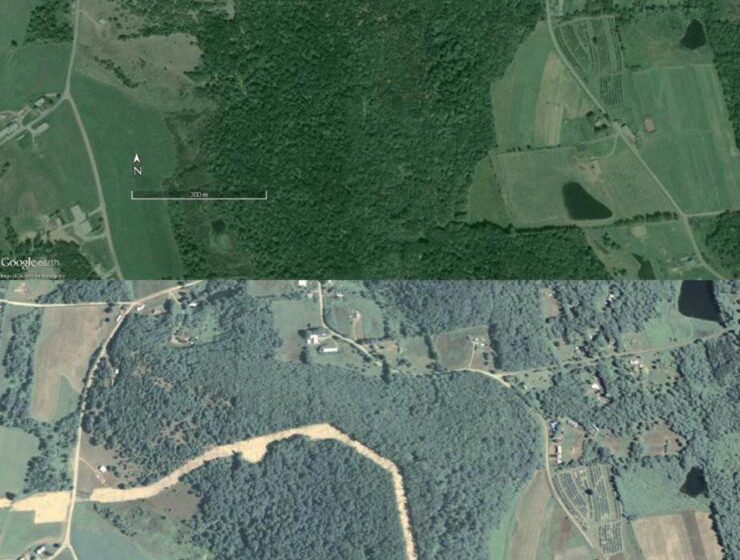
“Fracking” and Wildlife: Suds & Science on January 12
Natural gas extraction from shale formations in Appalachia, already a contentious political issue, also raises concerns about habitat loss and the fragmentation and degradation of forest and grassland wildlife habitats. VCE’s Jason Hill reports.
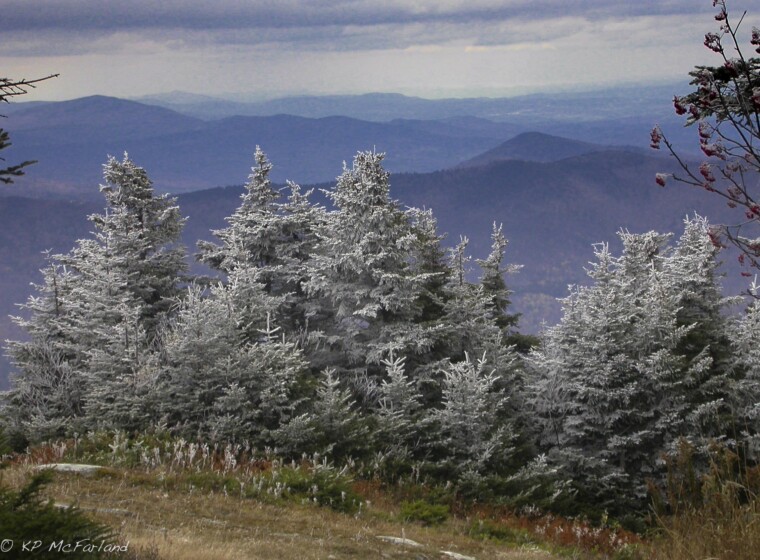
A Field Guide to December
Fear not, during these short days and long nights of December, we’re still finding plenty of life in the fading light. Once we pass the winter solstice more light will begin to creep back into our lives. Until then, here’s some wintry natural history.