Ask a Conservation Biologist: What Native, Near-Native, and Local Plants Should I Cultivate in the Yard?
A Vermonter asks: Should I stick to only plants that I can collect seeds from in the wild, or is it okay to supplement with purchased seeds that are not native genetics? What about near-native Black Locust saplings that have sprung up?
Go Touch Grass. Let Us Know What You See.
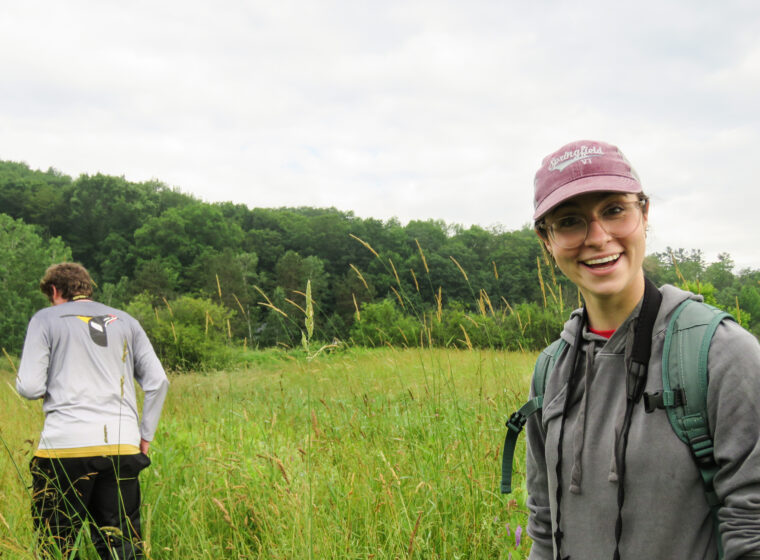
Here at Vermont Center for Ecostudies we have a dozen different volunteer opportunities that will get you outside, calm your nervous system, and help you get to know the local flora and fauna, while also contributing to conservation science.
Field Guide to August 2026
Little things with wings are catching our interest this month. We’re affixing tiny trackers to migrating Monarch butterflies. We’re waxing on about the wonderful world of wasps, which are not the villains, but the heroes of the garden! And we’re keeping an eye out for delightful Primrose Moths, which alight on the very tall, yellow, native flowers that just love to take over recently disturbed space.
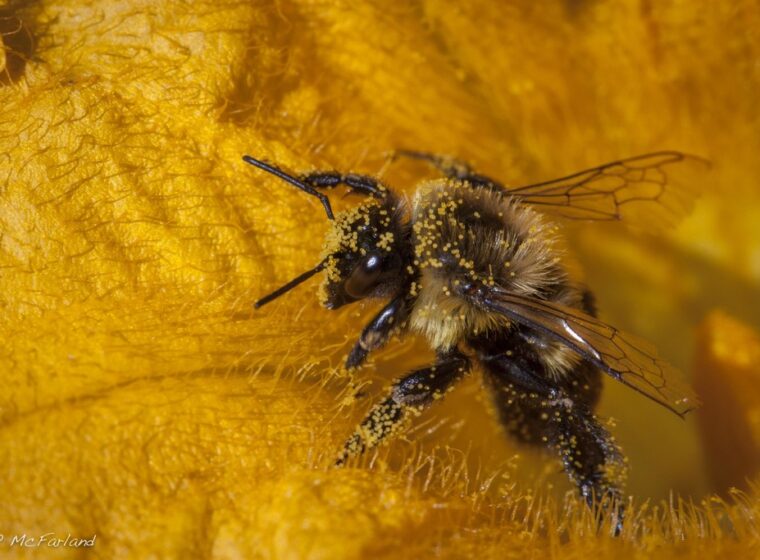
Know Your 5: Bees That Pollinate Winter Squash
Insect-mediated pollination is crucial for squash fruiting. Squash blooms open for one day only, beginning pre-dawn and generally closing around noon, never to reopen. The more pollen deposited on the stigma, the better the fruit set. Here how to attract bees that can help.
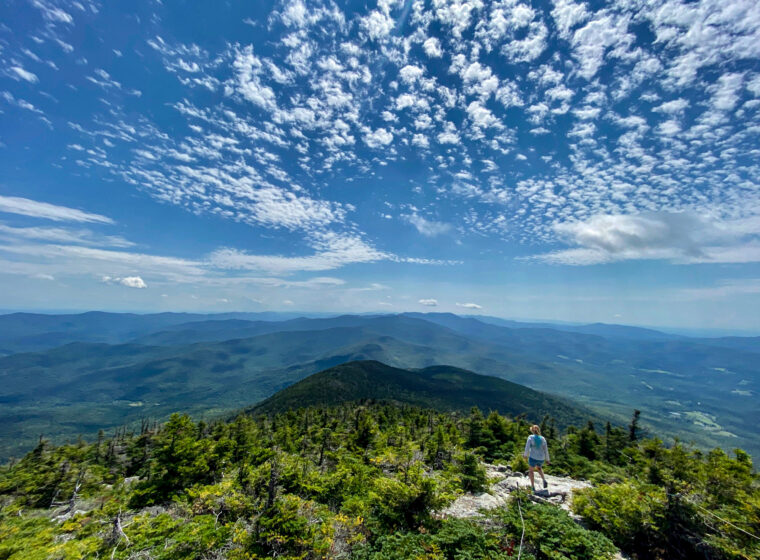
Field Guide to July 2026
July is abundant—gardens bloom and buzz with insects, loon calls echo across lakes, berries ripen in the mountains.
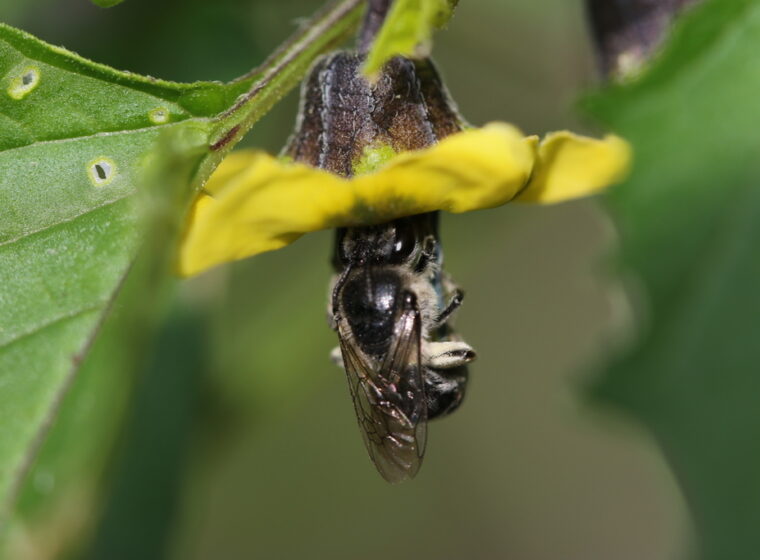
Know Your 5: Wild Bees That Pollinate Tomatillos and Other Ground Cherries
Ground cherries and tomatillos are in the genus Physalis, which also includes at least one native species in Vermont. With five Physalis associated native bees, this genus presents an opportunity to support several rare bees with a commercial crop.
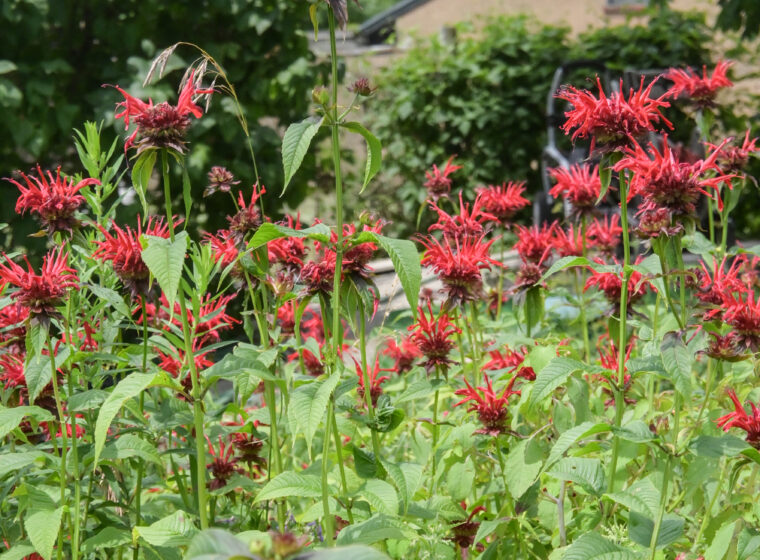
A Master Gardener and His Habitat Garden
What started as a Monarch meadow has become so much more.
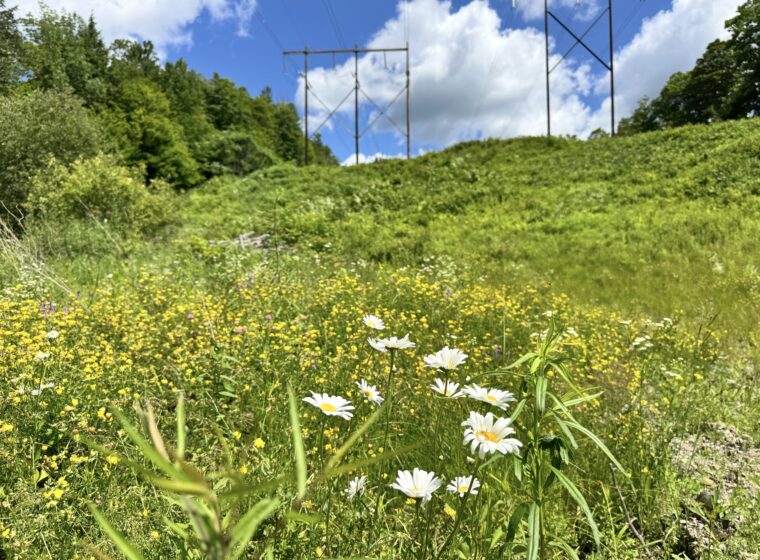
The Hidden Conservation Value of Powerline Corridors
While they are not natural, utility rights-of-way nonetheless partially fulfill the role of early successional habitats for pollinators and shrub-nesting birds. Here’s how to manage them to maximize their biodiversity.
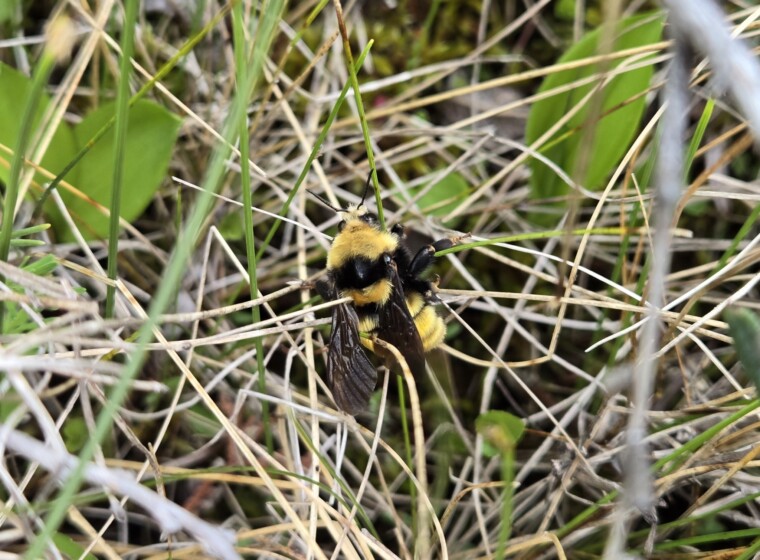
Does No Mow May Invite Invasives and Ticks to Your Yard?
The term “No Mow May” seems to imply that helping our pollinators is as simple as that: not mowing. But there are drawbacks.
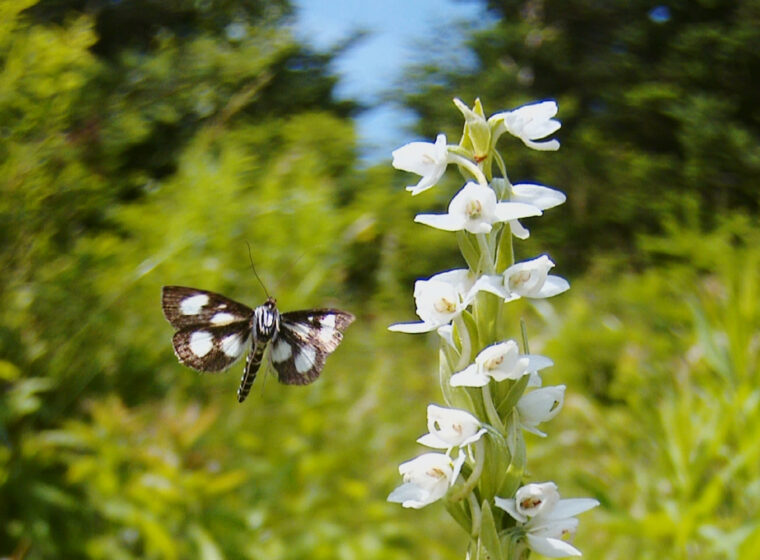
Mysterious No More: What’s Pollinating the White Bog Orchid
North America is home to over 200 species of wild orchid, but for such a beloved group of plants, it’s remarkable how little we know about their insect relationships. Half of our orchids have no known pollinator. That’s where studies like mine—plus help from volunteers like you—can help fill the gap.
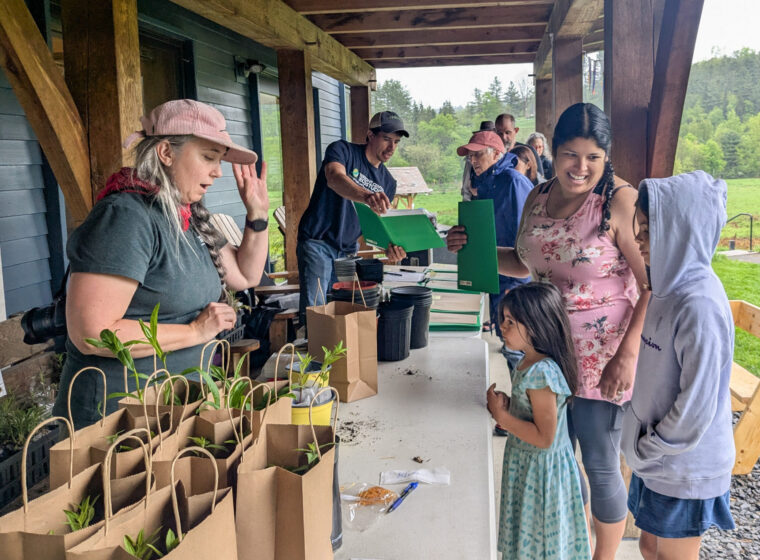
Community Science in Action: How I Recruited 700 Volunteers to Our Plant Ecotype Project
The Adopt-A-Plant project paired native plants with volunteers eager to grow them in their backyards and report observations back to VCE.
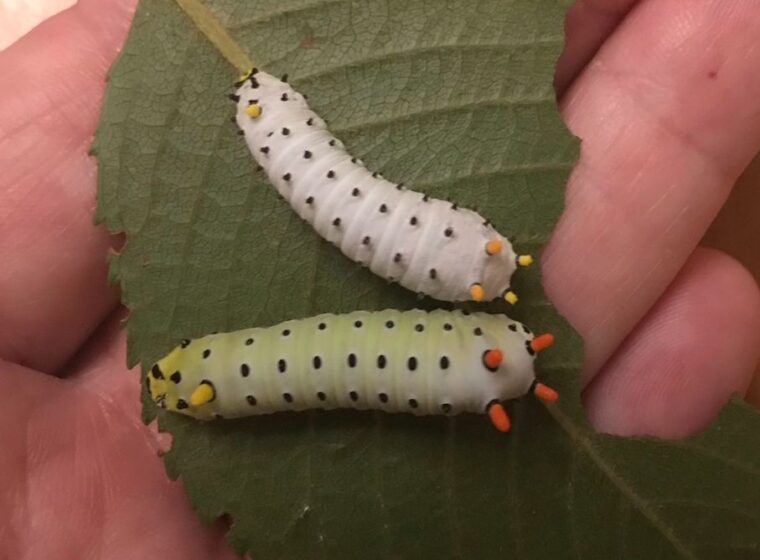
New Study Shows Native Cherry Trees Better Support Native Moths
Native plants are great and all, but what if all they have at the garden center is a closely related, non-native species imported from Asia or Europe? A new paper by VCE biologist Desirée Narango has the answer.