Mansfield Update: Hatch-years Predominate
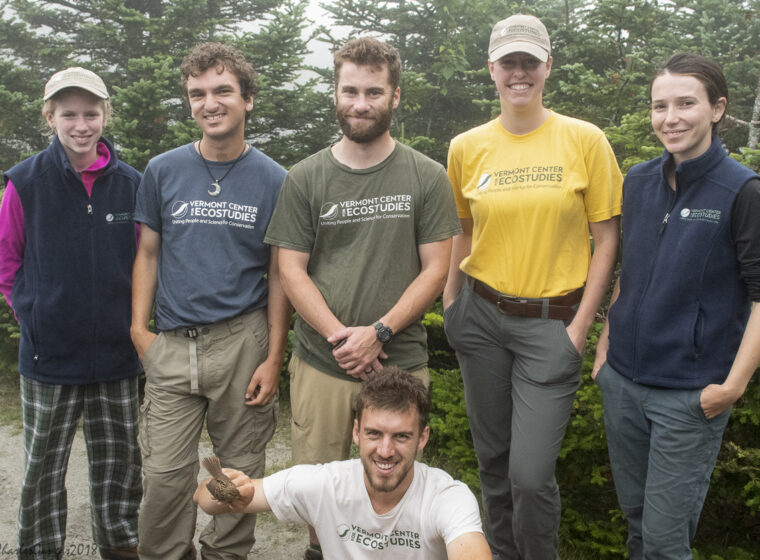
VCE’s penultimate summer banding session featured relatively few birds, some very warm and humid weather, a preponderance of youthful banders, and several family members.
Mansfield Update: the Ridgeline Quiets, Planets Shine
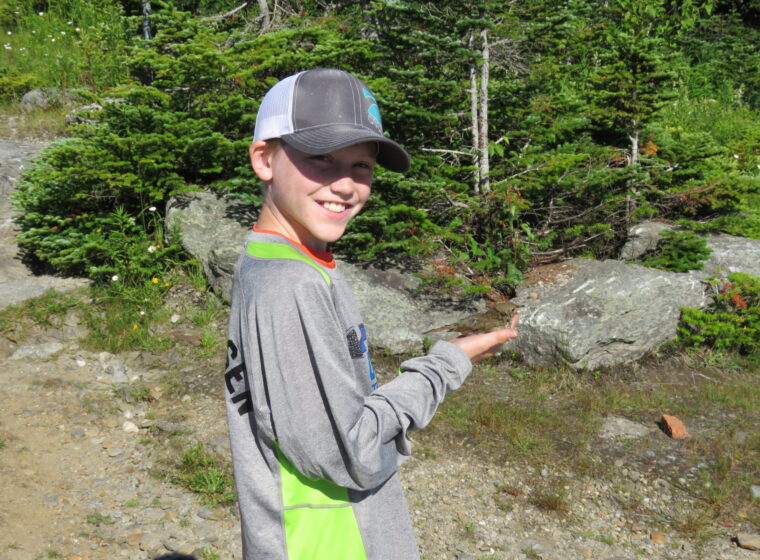
VCE’s mid-July banding session on Mt. Mansfield featured diminished bird song, but a surprise Tennessee Warbler and spectacular planetary viewing.
Mansfield Update: Kids (Avian and Human) Steal the Show
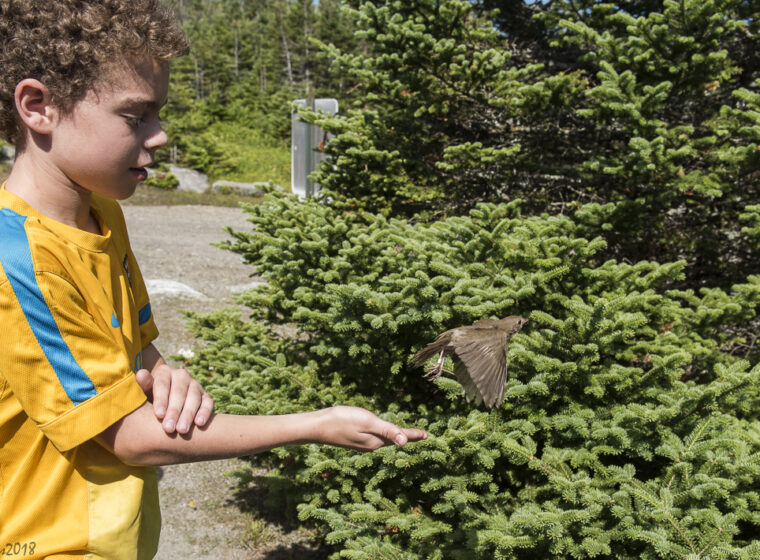
VCE’s sixth banding session of 2018 on the Mt. Mansfield ridgeline featured several free-flying juvenile birds in our nets and some enthusiastically engaged youth in our work .
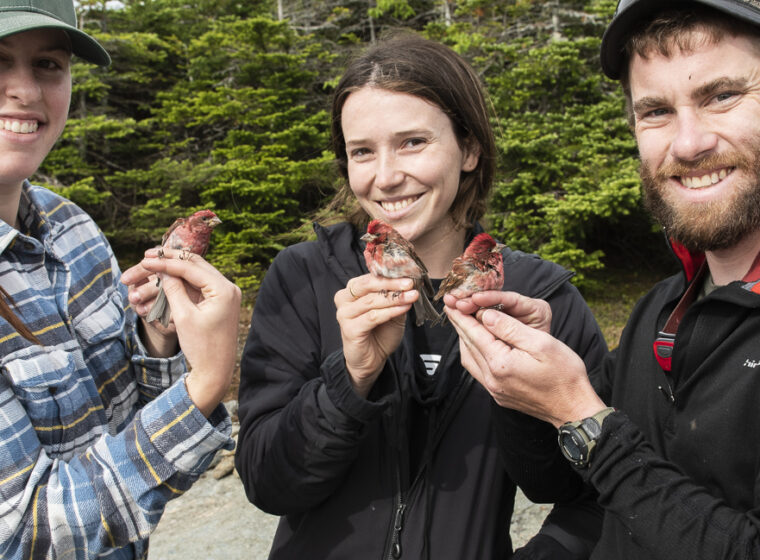
A Plethora of PUFIs on Mansfield
VCE’s fifth weekly banding session of 2018 on Mt. Mansfield featured a plethora of Purple Finches, a bounty of Bicknell’s Thrushes, and a chance to mentor our three eager bird banding apprentices.
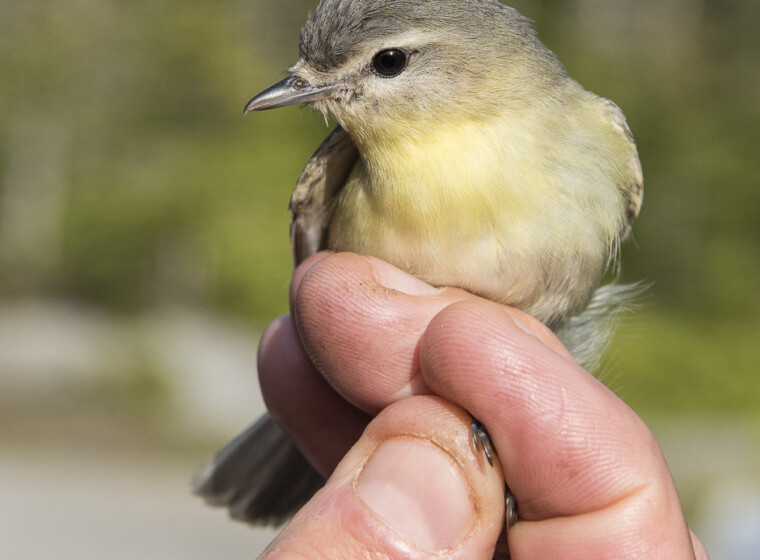
Field Update: Mansfield Yields Avian Surprises
Philadelphia Vireo, Least Flycatcher, juvenile White-winged Crossbill — VCE’s third 2018 field session on Mt. Mansfield produced several notable surprises among our 61 mist net captures. The addition of our Board of Directors provided energy, enthusiasm, and learning for all.
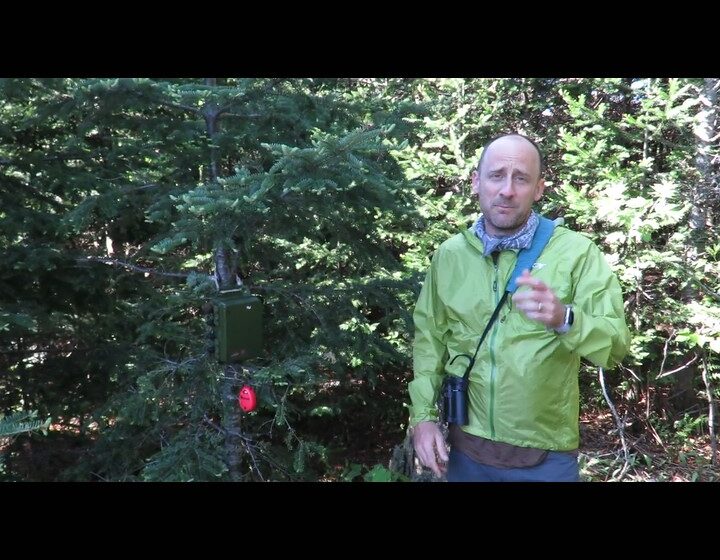
VCE Vlog: Field Update from the Great North Woods
VCE Director of Science John Lloyd recently emerged from the Great North Woods long enough to seek out a WiFi signal to share this brief update from the field. All of us here at VCE were relieved to see that the mosquitoes had not yet carried him away.
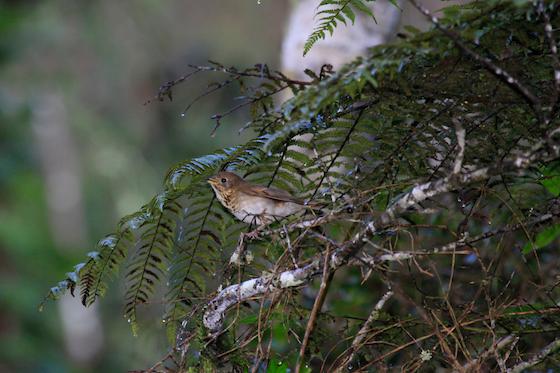
VCE Study Predicts Prime Habitat for Bicknell’s Thrush
A new study led by VCE biologist Kent McFarland used statistical modelling methods to identify remaining key habitat for female Bicknell’s Thrush in the fragmented forests of the Dominican Republic. Further, this study served as the driving force to conserve additional land to expand the thrush’s wintering habitat.
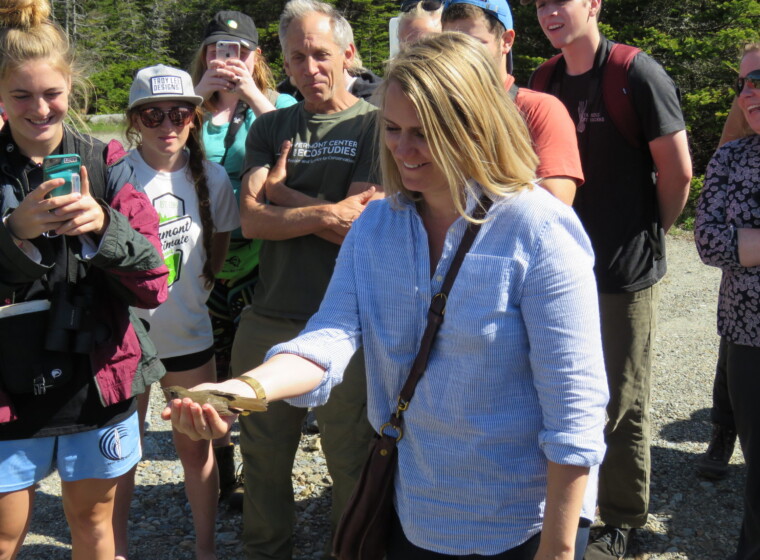
VCE Launches Field Season #27 on Mt. Mansfield
VCE’s inaugural 2018 field visit to Mt. Mansfield on May 30-31 yielded good weather, some surprise mist net captures, and an enthusiastic group of visitors, who were treated to a very obliging Bicknell’s Thrush in the hand.

Success: Crossing Boundaries for Conservation
VCE announces finalization of the Strategic Conservation Plan for Sierra de Bahoruco National Park in the Dominican Republic. The plan, which VCE helped to both fund and facilitate, aims to preserve the park’s unique forested habitats for the benefit of plants, wildlife, and humans alike.
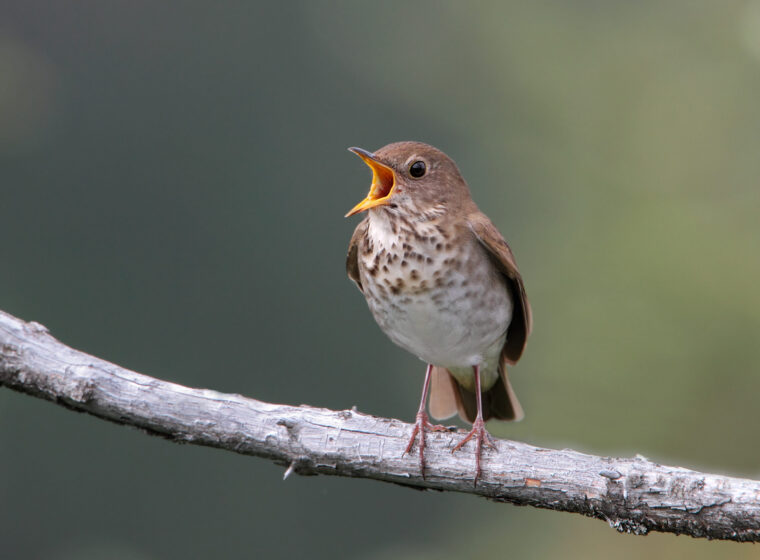
Forest Thrush Mix Up
A first-hand account of VCE Biologists discovery of a rare thrush phenomena published this month in the Wilson Journal of Ornithology.
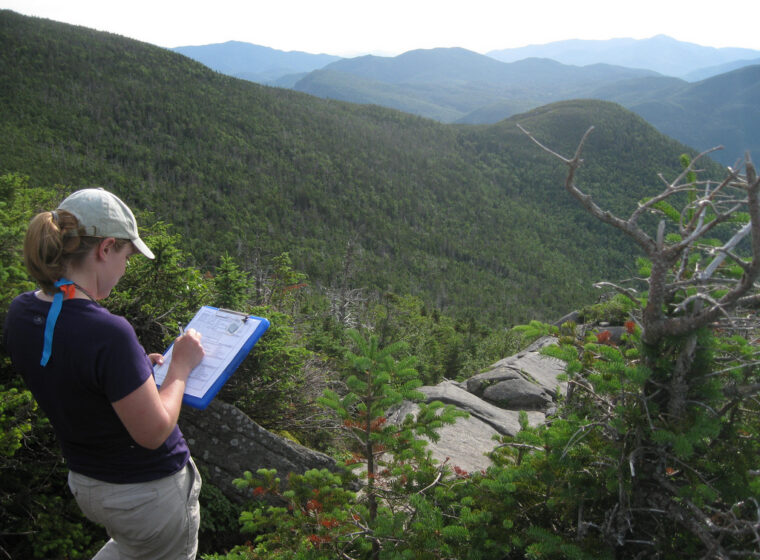
Mountain Birdwatch Brings a Mountain of Data to eBird
Since 2010 alone, several hundred Mountain Birdwatch citizen scientists have conducted 18,636 five-minute point counts at nearly 750 remote locations in the mountains of New York and New England. Recently, we uploaded more than 37,000 checklists spanning the last 17 years of the program to eBird.
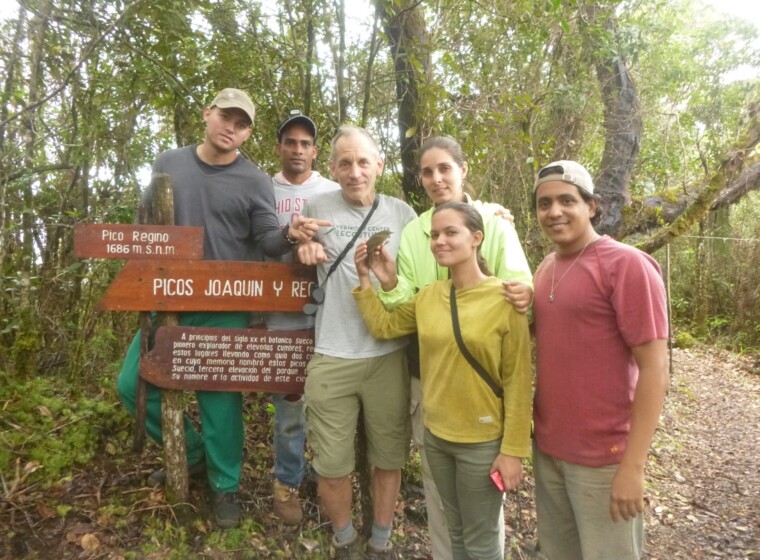
Team VCE-BIOECO Perseveres on Cuba’s Pico Turquino
VCE’s late January field expedition into the rugged Sierra Maestra mountains of eastern Cuba featured abnormally high rainfall, majestic cloud forests, grueling pre-dawn hikes, lively interactions with our Cuban partners, and… 7 Bicknell’s Thrushes. As always with this enigmatic songbird, more questions were raised than answered, but VCE’s work to clarify the species’ overwinter status on Cuba is making solid progress.