Saving a Rare Songbird – Hemispheric Conservation Action Plan for Bicknell’s Thrush Updated
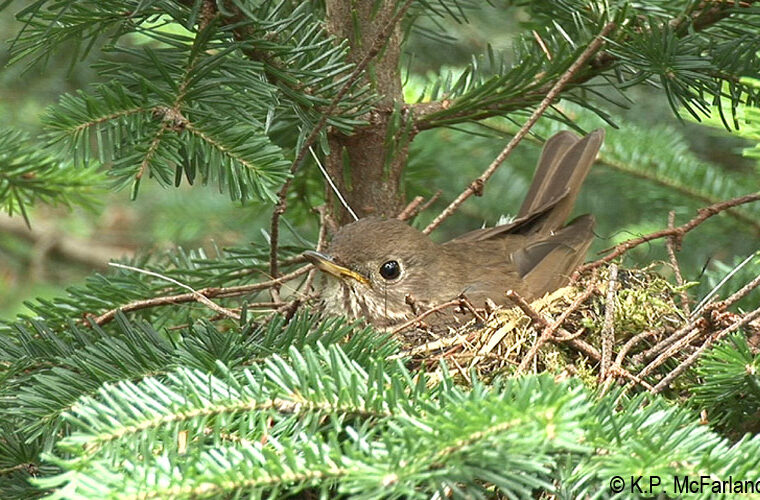
The revised Conservation Action Plan for Bicknell’s Thrush provides the updated consensus of the International Bicknell’s Thrush Conservation Group (IBTCG), an alliance of scientists, conservationists, and governments, about the primary threats facing Bicknell’s Thrush and the actions that may help mitigate those threats across the hemisphere.
Monitoring Spring Phenology on Mount Mansfield
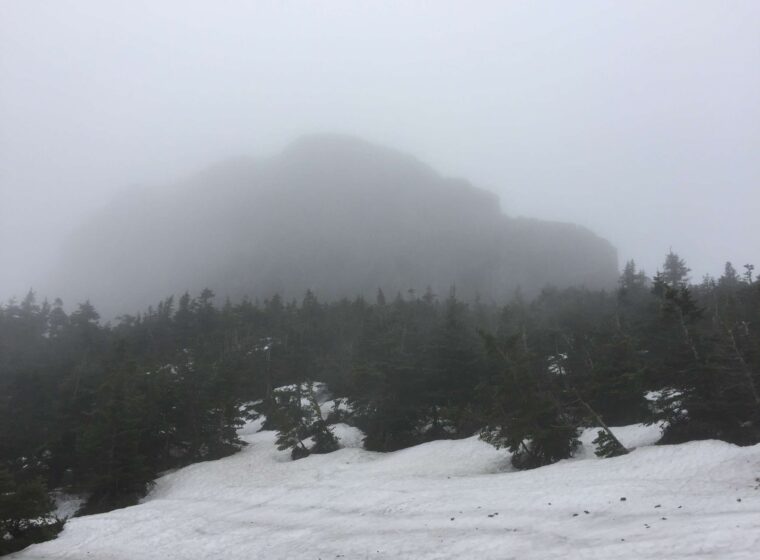
With deep snowpack on Mt. Mansfield remaining, yesterday we installed equipment that will monitor bird activity and the arrival of spring in the fir forest on the Mt. Mansfield ridgeline. Learn more about our phenology study…
VCE’s Cuba Expedition a Resounding Success
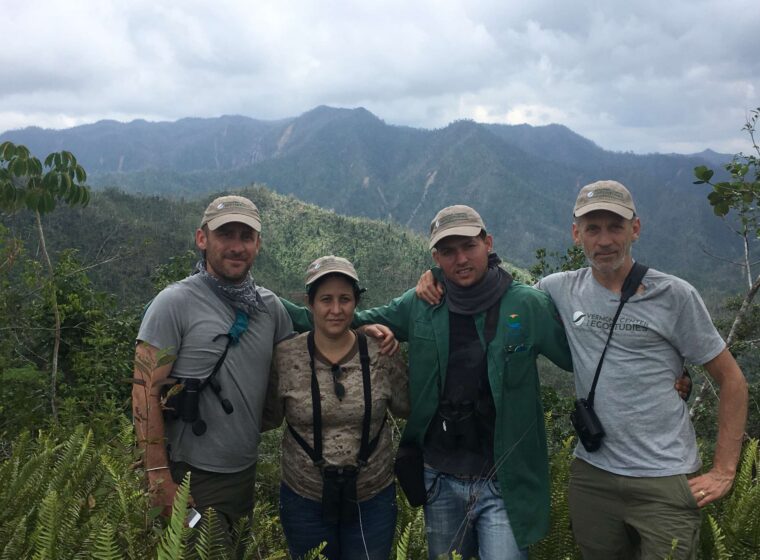
VCE’s inaugural field trip to Cuba may not have yielded many Bicknell’s Thrush (2, to be exact), but it laid a strong foundation for our future work on this captivating island. We forged a promising partnership with our sister institute BIOECO, made many great friends, learned the ropes of conducting field there, and, yes, managed to see half of Cuba’s 26 endemics.
Cuba Next on VCE’s Horizon
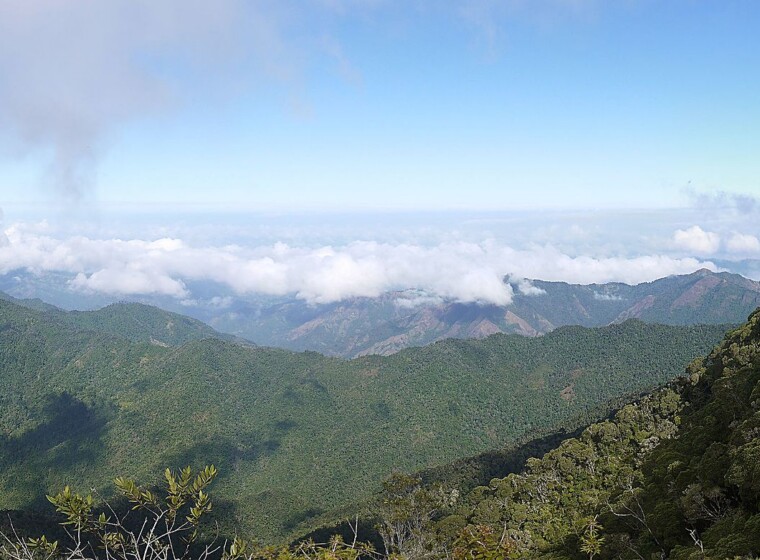
Cuba is on VCE’s horizon, as Chris Rimmer and John Lloyd venture this week to the island’s eastern tip, in search of overwintering Bicknell’s Thrush. Backpacking to cloud forests of Sierra Maestra, where Fidel Castro famously hid out in the 1950s, and then venturing east to the serpentine forests of Humboldt National Park, they expect to find some thrushes, and a good number of Cuba’s 26 endemic birds.
New Publication Available: Guidelines for Managing Bicknell’s Thrush Habitat in the United States
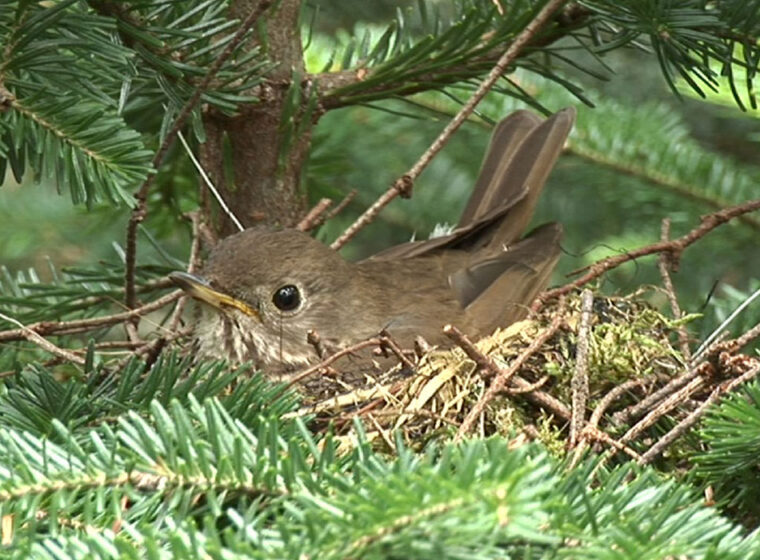
A new resource for planning the management and conservation of Bicknell’s Thrush habitat in the United States is now available at the International Bicknell’s Thrush Conservation Group web site.
Farewell and Thanks to a Tireless Caribbean Conservationist
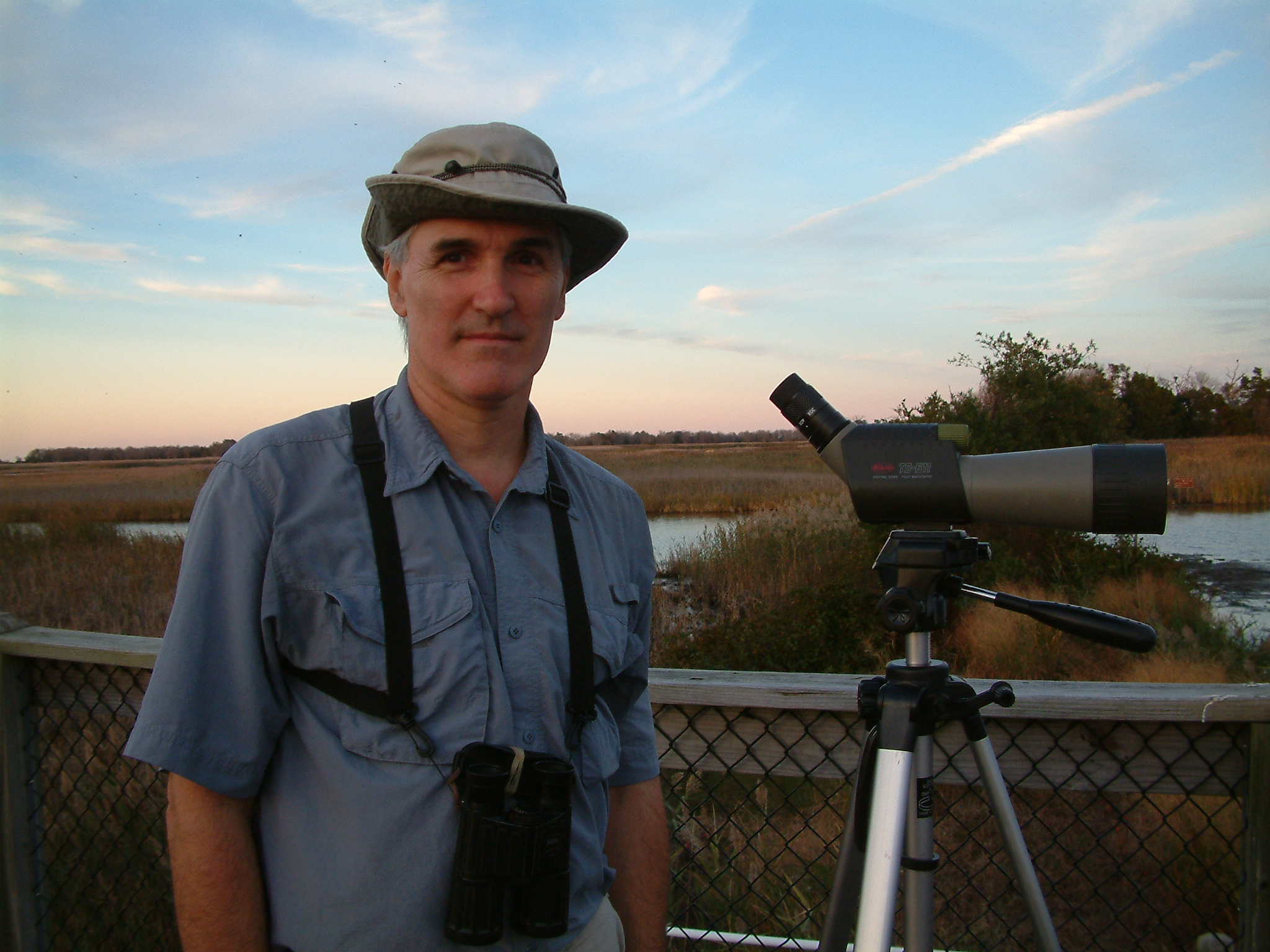
After 5+ years as VCE’s Caribbean Bird Conservation Coordinator, Juan Carlos Martinez-Sanchez is moving on to new adventures. All of us at VCE wish him well and offer him our profound thanks for a job extraordinarily well done. The personal energy and commitment that Juan Carlos poured into every aspect of his work were nothing short of remarkable.
The Mount Mansfield Phenology Project
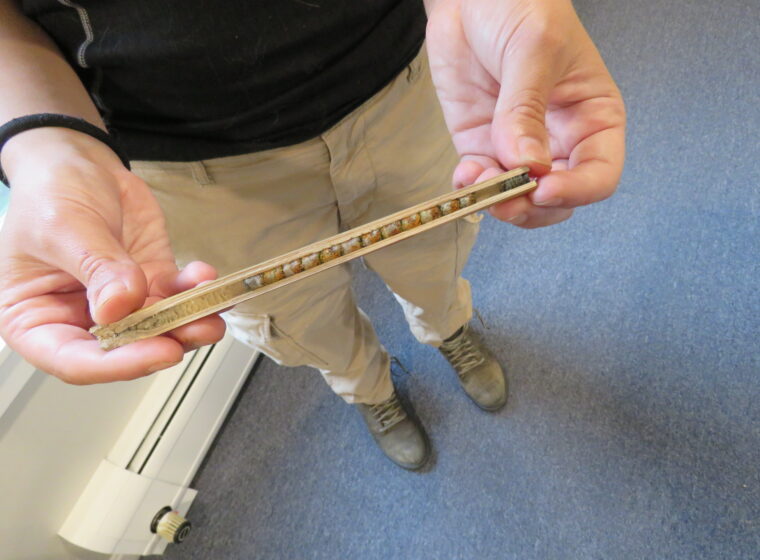
The Mansfield Phenology Project is a new effort by VCE to track variation in the phenology of a mountain ecosystem and to understand how changes in the timing of key biological events affects the plants and animals that call this place home. Watch a short video and learn more.
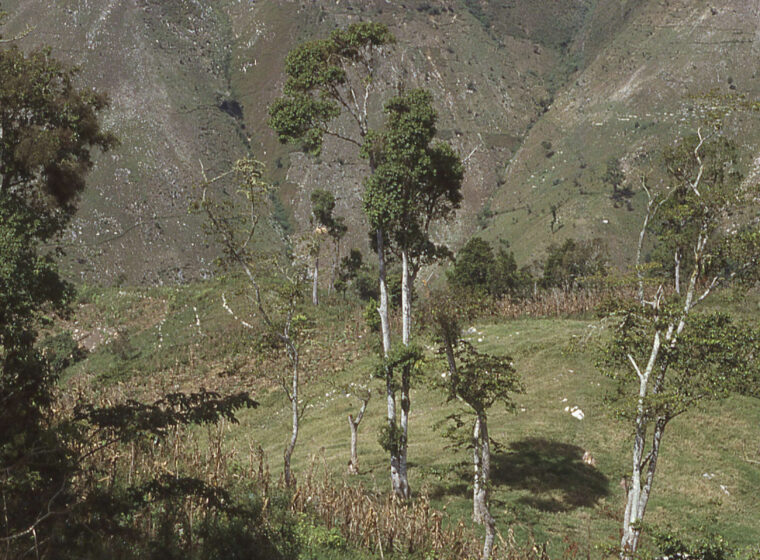
Measuring the Loss of a Thrush’s Forest
Scientists at VCE are using a world database of forest change to examine conditions of the forests on Hispaniola that provide habitat for Bicknell’s Thrush, and the results are alarming. Nearly 240 square miles of potential habitat has been lost between 2000 and 2014.
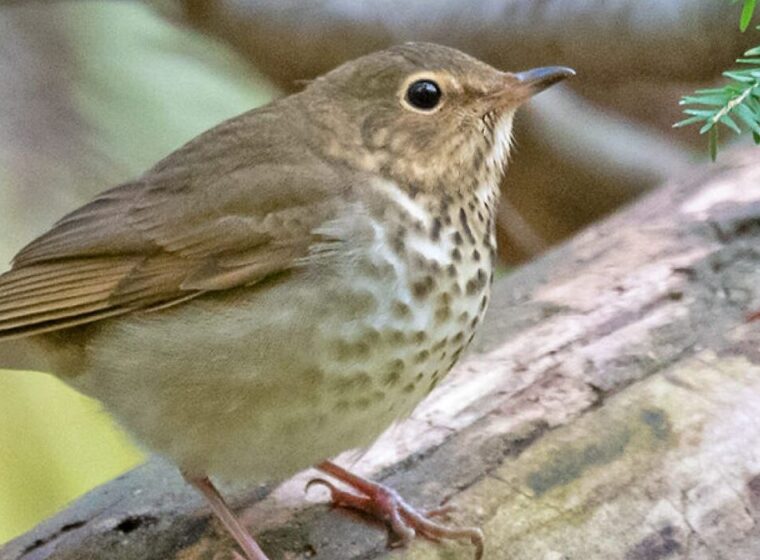
Weather and Blackpolls Storm Mt. Mansfield
VCE completed its 25th consecutive field season on the Mt. Mansfield ridgeline in dramatic fashion, encountering a storm of both weather and migrant birds. We banded a record 46 Blackpoll Warblers, and Bicknell’s Thrushes were vocalizing actively even as we took down our last nets in the gusty rain.
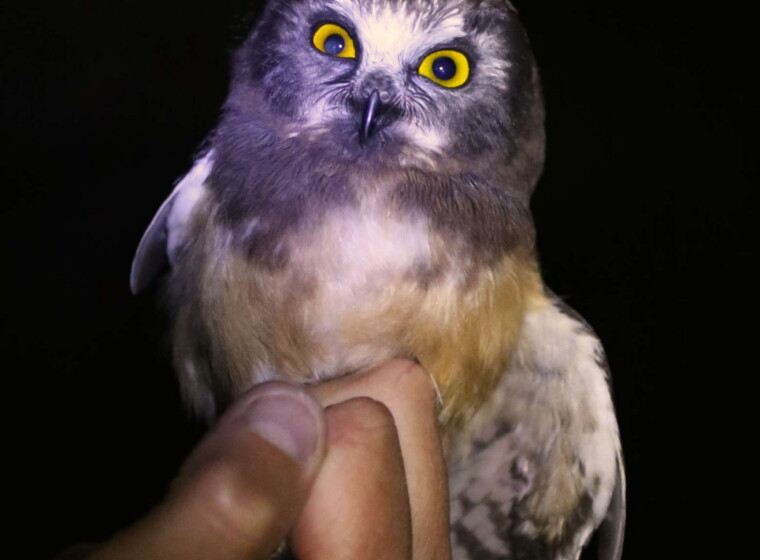
Owls and Tennessee Warblers Find VCE Nets on Mansfield
VCE enjoyed an eventful, if quiet, final summer field trip to our long-term study site on the Mt. Mansfield ridgeline. Banding highlights included a juvenile Northern Saw-whet Owl, 2 adult Tennessee Warblers, and 12 juvenile Bicknell’s Thrushes.
Mountain Phenology Cameras Yield Extra Surprise
Our new phenology cameras that have been on Mt. Mansfield since April to record snow melt and leaf out contained a neat surprise. Check out the night images captured just days ago and see who was visiting.

Seasonal Changes in Evidence on Mt. Mansfield
VCE’s latest field visit to Mt. Mansfield yielded signs that seasonal changes are in store, as free-flying juveniles, molting adults and non-local dispersers are beginning to supplant the resident breeders in our mist nets.