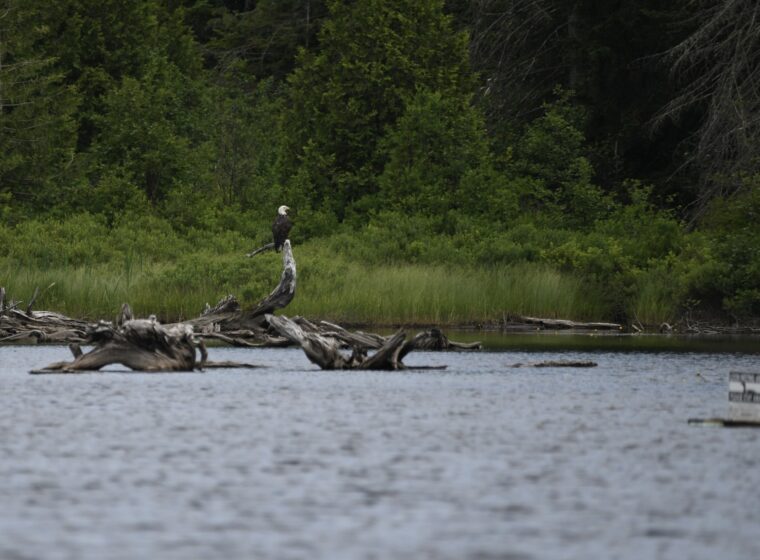
Loon Versus Eagle: A Conservation Success Story
Keeping a relatively neutral perspective around wildlife interactions can be one of the most challenging parts of being a wildlife biologist. It can be difficult to not anthropomorphize animals, or assign them human emotions and qualities such as disappointment, satisfaction, cruelty, or generosity.
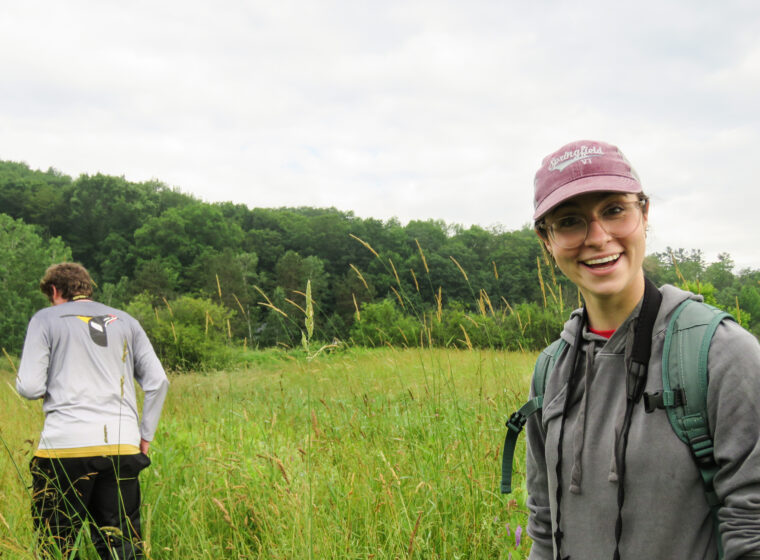
Go Touch Grass. Let Us Know What You See.
Here at Vermont Center for Ecostudies we have a dozen different volunteer opportunities that will get you outside, calm your nervous system, and help you get to know the local flora and fauna, while also contributing to conservation science.
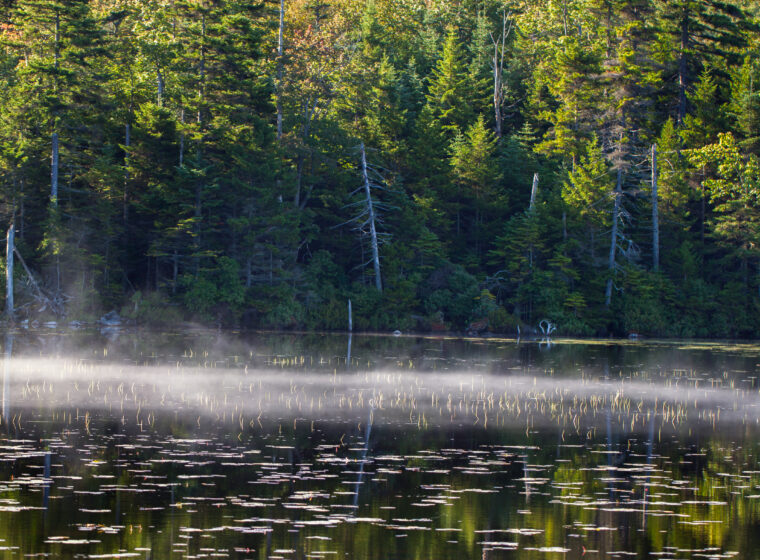
Vermont Bids Farewell to the Pesticide Paraquat
Concern has mounted for decades about paraquat’s impact on human health. However, the pesticide isn’t exclusively a human problem.
Field Guide to August 2026
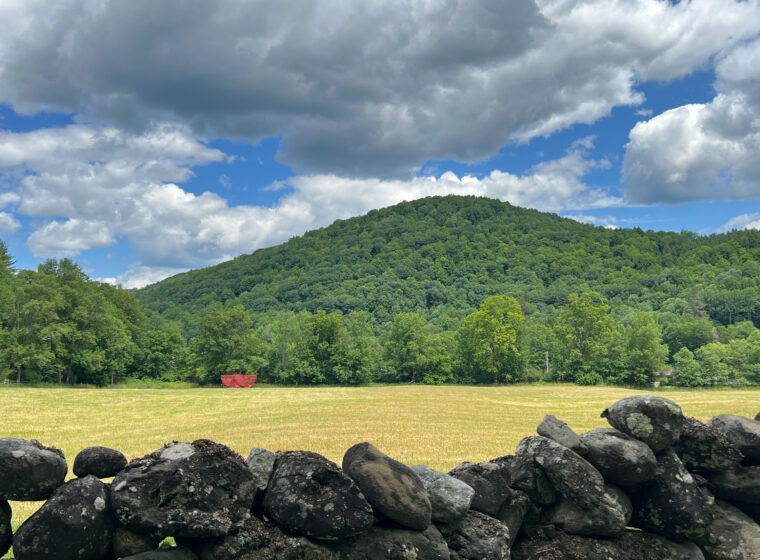
Little things with wings are catching our interest this month. We’re affixing tiny trackers to migrating Monarch butterflies. We’re waxing on about the wonderful world of wasps, which are not the villains, but the heroes of the garden! And we’re keeping an eye out for delightful Primrose Moths, which alight on the very tall, yellow, native flowers that just love to take over recently disturbed space.
Field Report: New Birds Are Showing Up on Mount Mansfield’s Peak
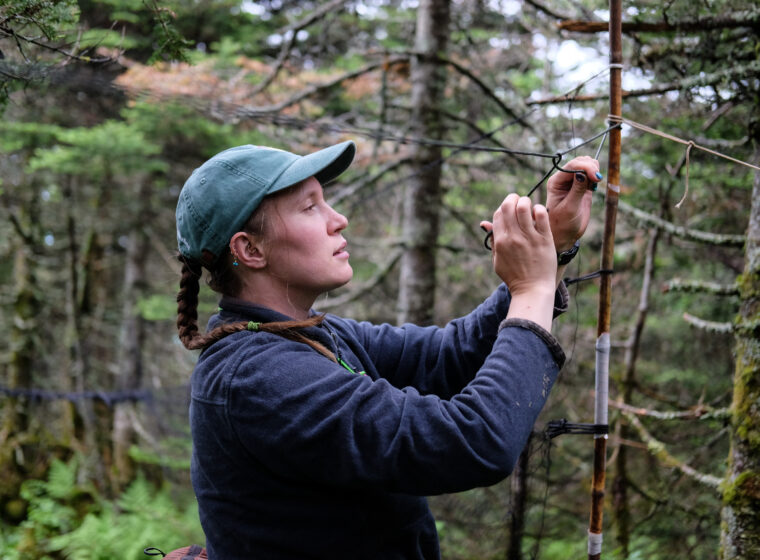
Change is afoot on Mansfield. This summer, birds that usually breed at lower elevations like Black-throated Green Warblers and Magnolia Warblers have firmly staked their place at the peak itself.
It’s Time to Remove Some Loon Nesting Rafts
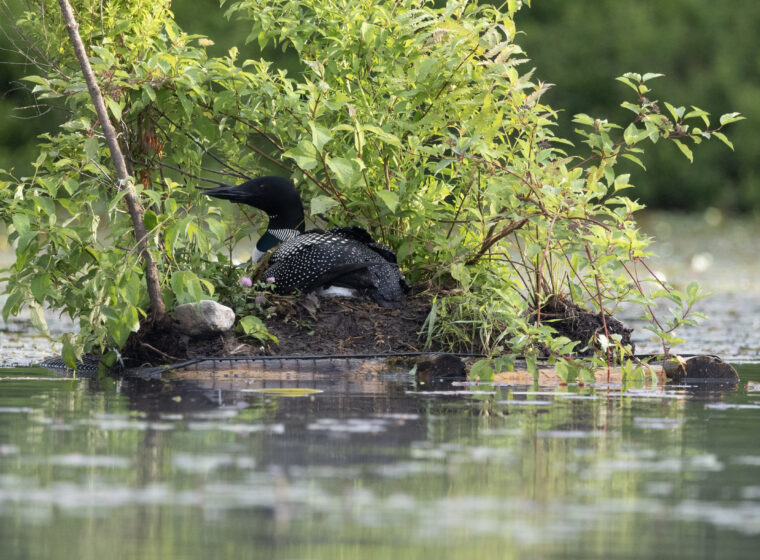
We are entering a period when we can reduce some of our active management activities and promote natural nesting.
Subadult Loons: Why We See So Few In Vermont Today
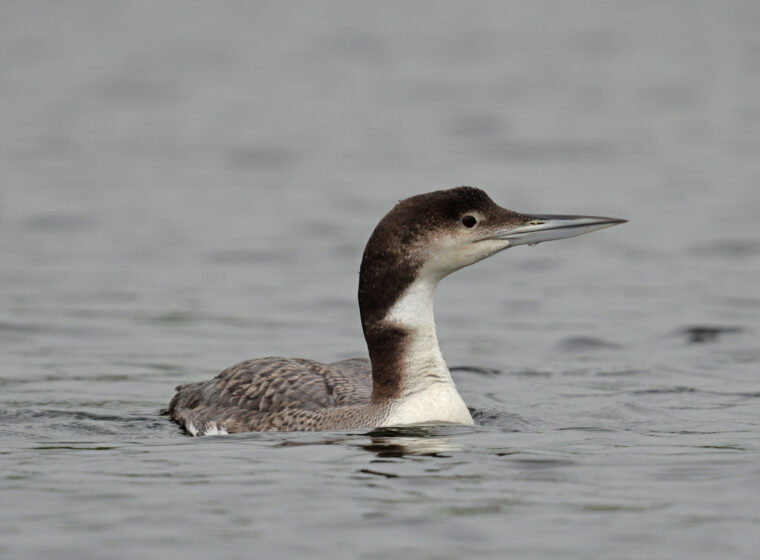
In the 1990s, volunteers often observed 10 to 20 subadults during the annual single day survey. Over the past decade, however, volunteers have rarely reported more than four. So, where are the young ones?
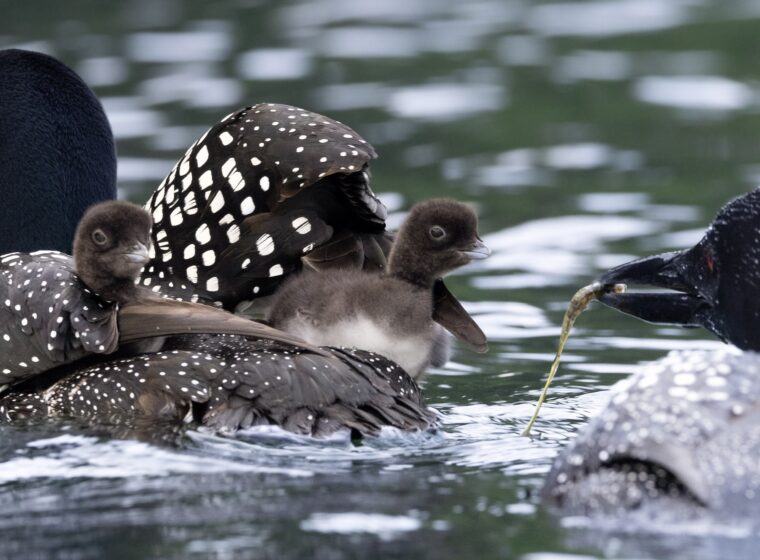
Loon Love and Loss on Lake Iroquois
As a volunteer for the Vermont Loon Conservation Project, I’ve developed an interest that has bloomed into a mission to steward and study the loons of Lake Iroquois.
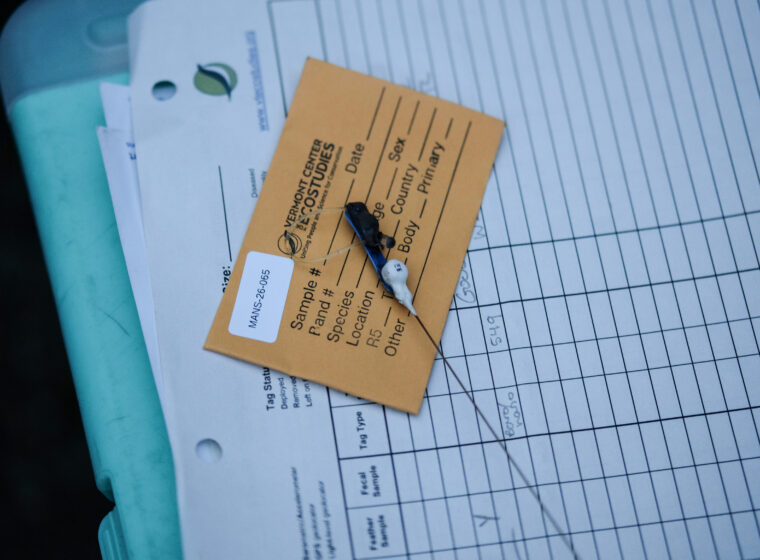
How Three Generations of VCE Scientists Work With Changing Ecology Data
“Ecology is harder than rocket science. The more we’re able to do, the more we realize what we don’t know.”
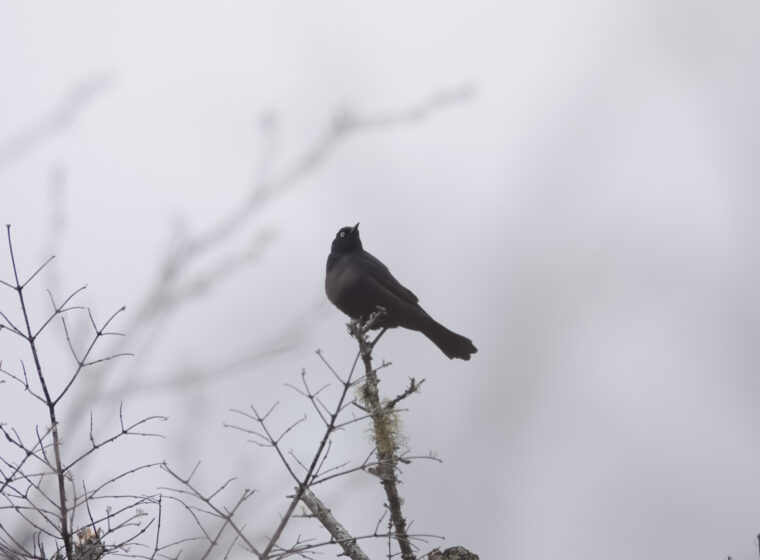
VCE’s Newest Project: Finding Out Where the Rusty Blackbirds Have Gone
Whether they veered around the net or caught on to our playback, it was a battle of wits to get Rusty Blackbirds to fall for the trap. It may have been easier to find their secretive nests than to capture the birds themselves!
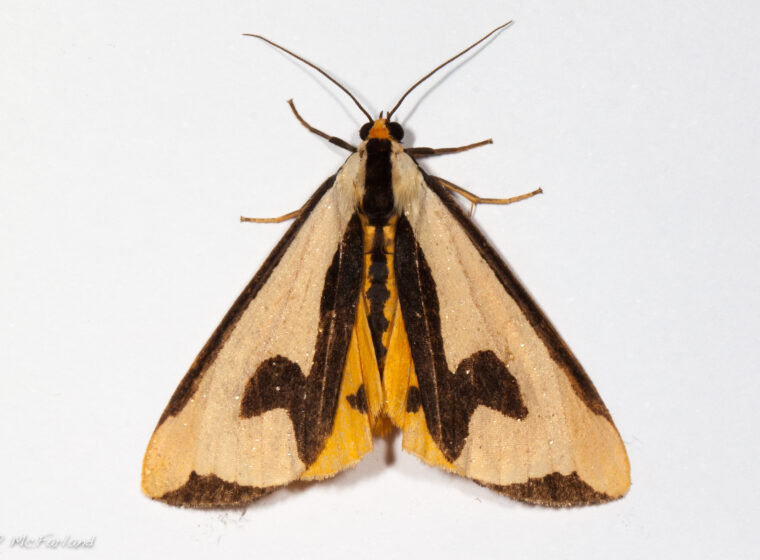
Get Your Bed Sheet Ready! It’s Moth Week in Vermont
With a porch light, a draped bed sheet, and a phone, you too can explore Vermont’s astounding moth diversity, and help us develop a better understanding of the moths that call the Green Mountain State home.
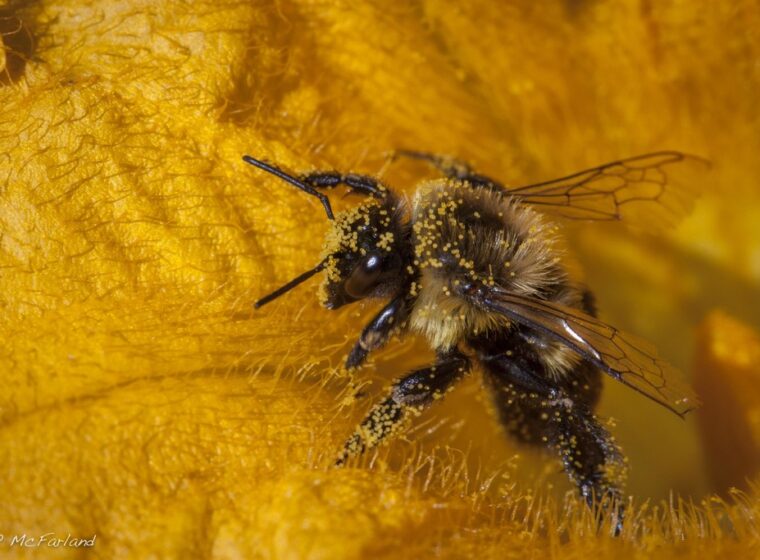
Know Your 5: Bees That Pollinate Winter Squash
Insect-mediated pollination is crucial for squash fruiting. Squash blooms open for one day only, beginning pre-dawn and generally closing around noon, never to reopen. The more pollen deposited on the stigma, the better the fruit set. Here how to attract bees that can help.