Go Touch Grass. Let Us Know What You See.
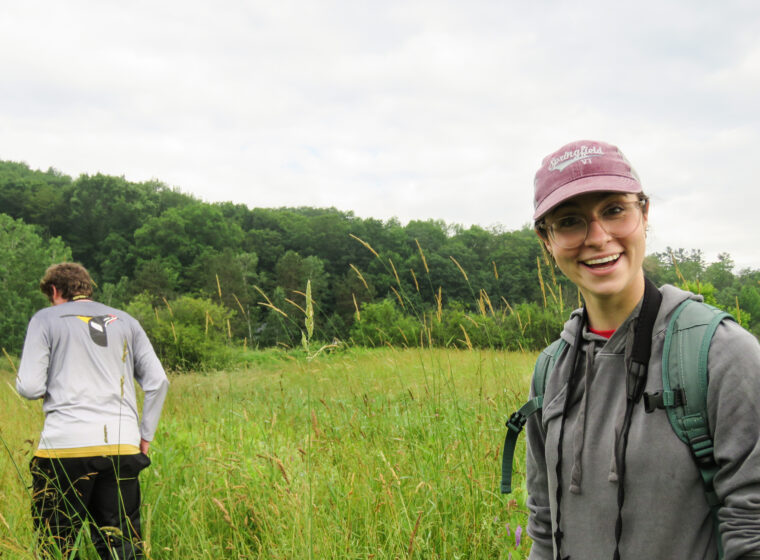
Here at Vermont Center for Ecostudies we have a dozen different volunteer opportunities that will get you outside, calm your nervous system, and help you get to know the local flora and fauna, while also contributing to conservation science.
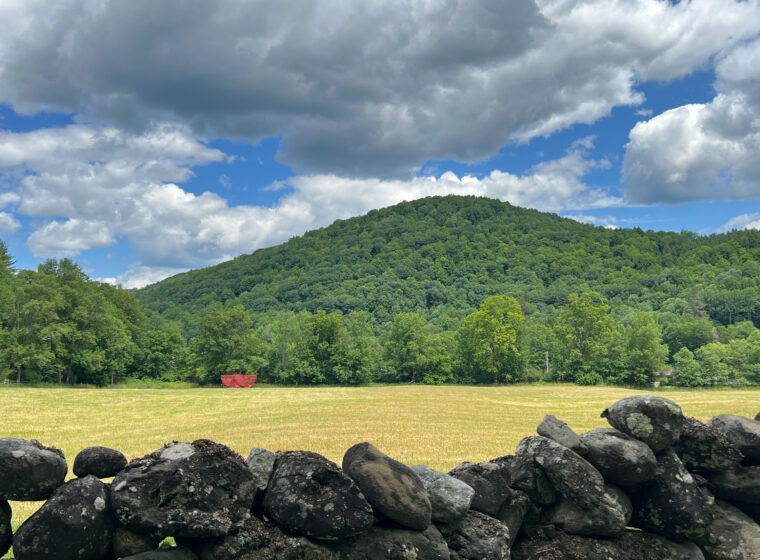
Field Guide to August 2026
Little things with wings are catching our interest this month. We’re affixing tiny trackers to migrating Monarch butterflies. We’re waxing on about the wonderful world of wasps, which are not the villains, but the heroes of the garden! And we’re keeping an eye out for delightful Primrose Moths, which alight on the very tall, yellow, native flowers that just love to take over recently disturbed space.
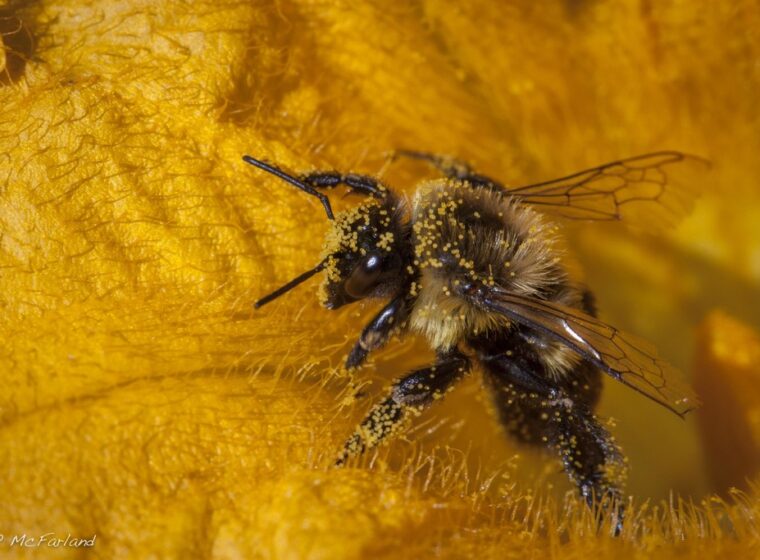
Know Your 5: Bees That Pollinate Winter Squash
Insect-mediated pollination is crucial for squash fruiting. Squash blooms open for one day only, beginning pre-dawn and generally closing around noon, never to reopen. The more pollen deposited on the stigma, the better the fruit set. Here how to attract bees that can help.
Field Guide to July 2026
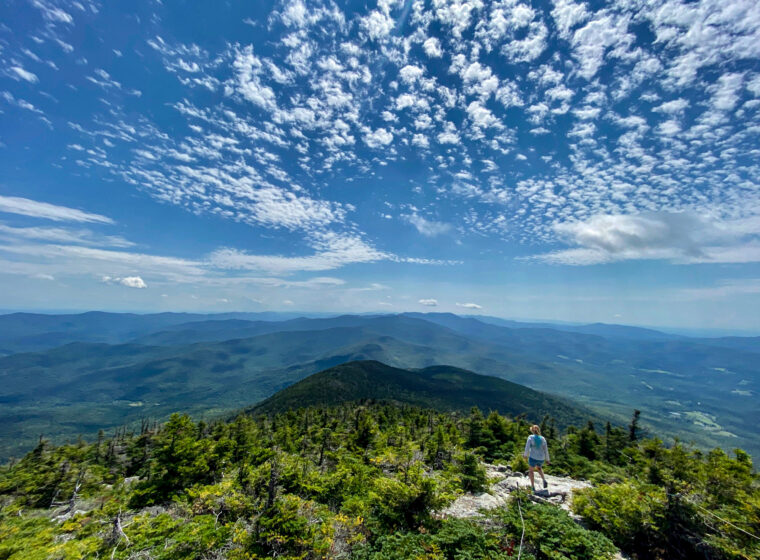
July is abundant—gardens bloom and buzz with insects, loon calls echo across lakes, berries ripen in the mountains.
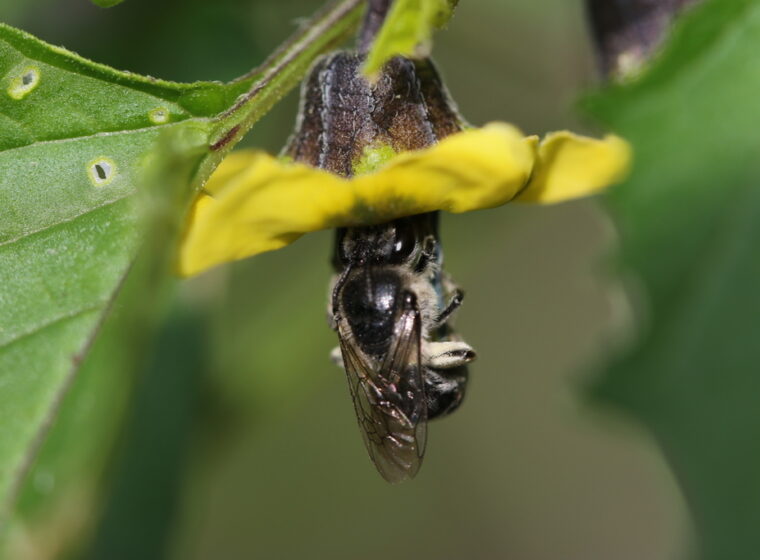
Know Your 5: Wild Bees That Pollinate Tomatillos and Other Ground Cherries
Ground cherries and tomatillos are in the genus Physalis, which also includes at least one native species in Vermont. With five Physalis associated native bees, this genus presents an opportunity to support several rare bees with a commercial crop.
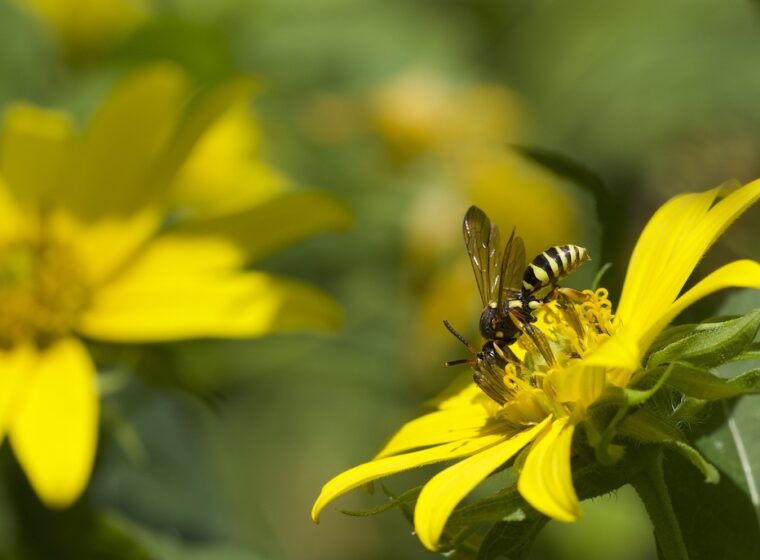
Plant These Native Flowers Around Your Farm to Attract Wild Bee Crop Pollination
Wild bees are responsible for pollinating many Vermont-grown vegetables and fruits, in addition to pollinating wild plants that create resilient landscapes. Pollinator habitat on farms can take many forms, from planted rows of cut flowers to neglected field margins. Here are some bee-supporting flowers that you can plant or let grow wild.
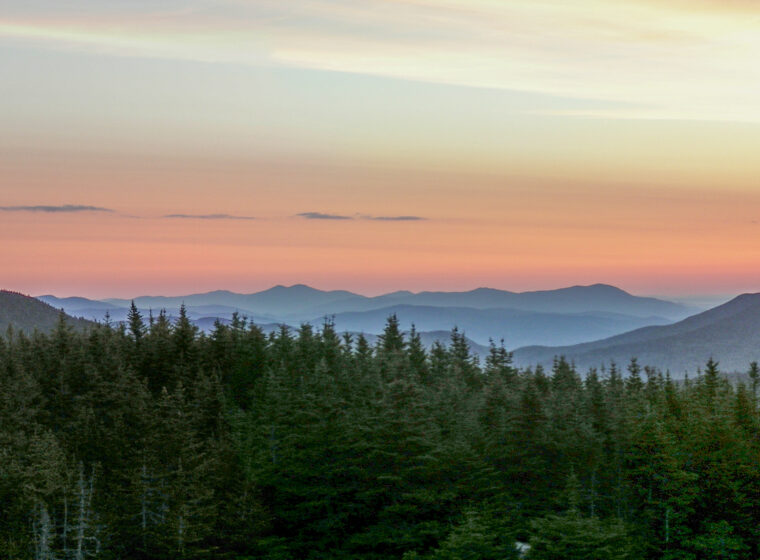
Building on Success: Opportunities to Enhance Conservation in Vermont
Support science-to-policy projects like this by making a donation to Vermont Center for Ecostudies! Learn about other ways to support VCE here. Through every phase of our science projects, the VCE…
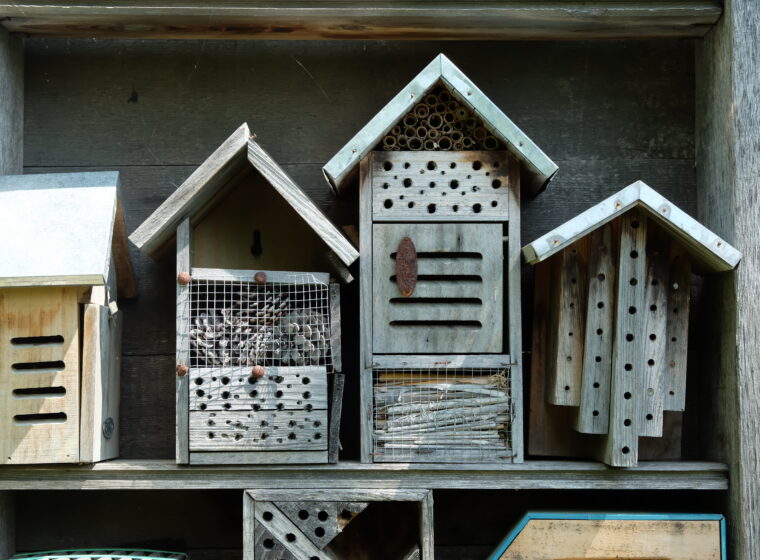
Hymenoptera Hotels: Is This a Trend We Should Be Promoting?
You might know them as bee hotels. I’m talking about cavities for nesting insects, often made from bamboo or other hollow tubes.
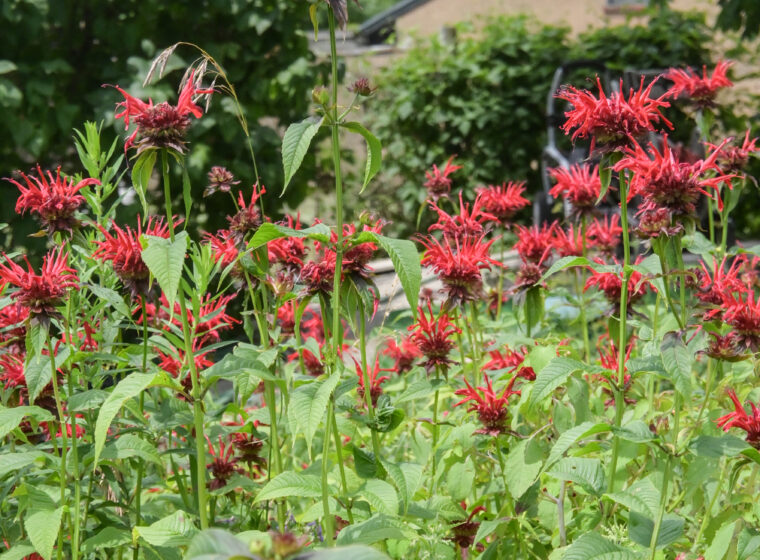
A Master Gardener and His Habitat Garden
What started as a Monarch meadow has become so much more.
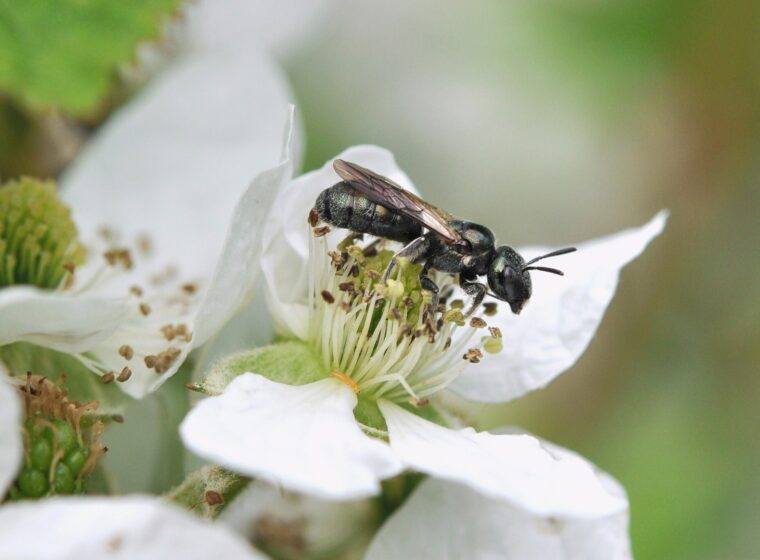
Know Your 5: Bee Species That Pollinate Brambles Like Raspberry Flowers
There are many native brambles visited by a wide variety of bees, most of which are likely also in commercial plantings. Most brambles are moderately self-fertile and insect mediated pollination is important for uniform berry shape and for large, marketable fruit.
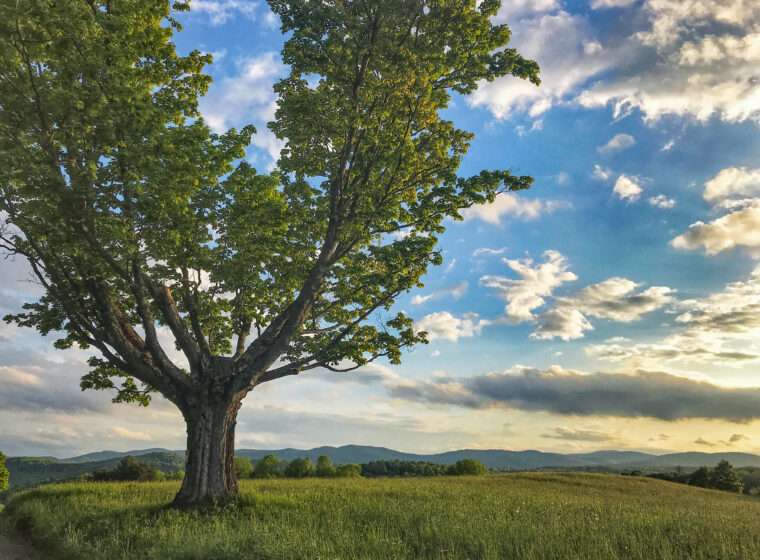
Field Guide to June 2026
There is a lot for the keen listener to explore this month: the air is filled with the sounds of chirping, calling, and singing birds and buzzing insects.
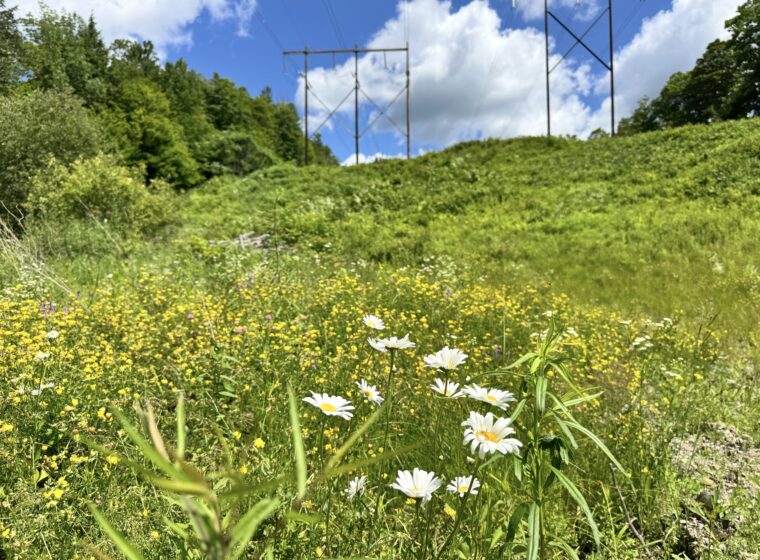
The Hidden Conservation Value of Powerline Corridors
While they are not natural, utility rights-of-way nonetheless partially fulfill the role of early successional habitats for pollinators and shrub-nesting birds. Here’s how to manage them to maximize their biodiversity.