Two Biologists and Every Loon in Vermont: the Power of Community Science
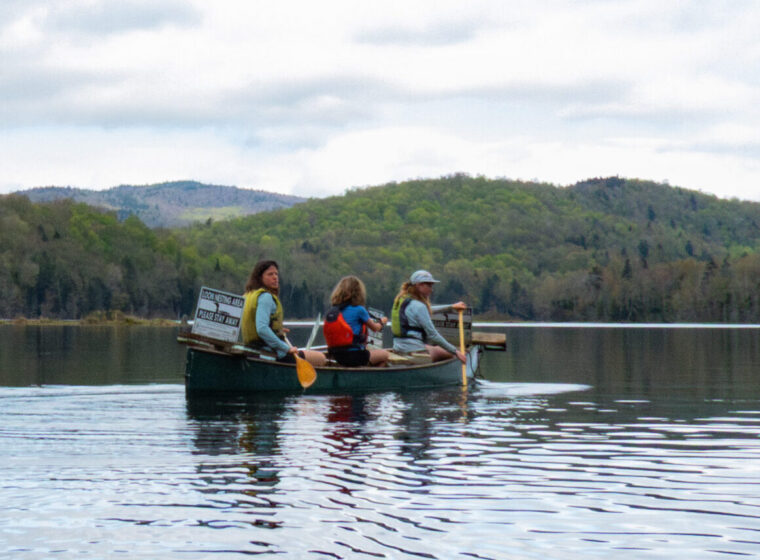
Loon surveying for VCE’s Loon Conservation Project is a time-consuming task, between all of the paddling and what seems like an hour-long drive minimum to get anywhere on Vermont back roads. All of that monitoring is managed by just two loon biologists…and hundreds of volunteers.
Loon Versus Eagle: A Conservation Success Story
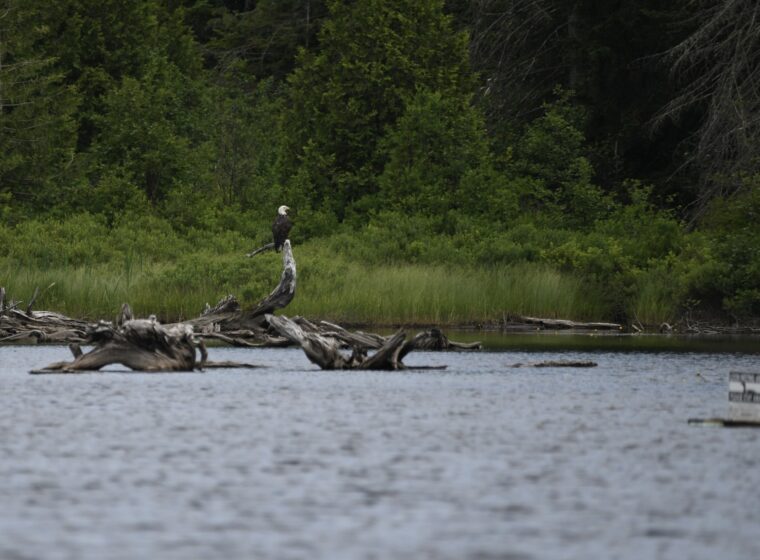
Keeping a relatively neutral perspective around wildlife interactions can be one of the most challenging parts of being a wildlife biologist. It can be difficult to not anthropomorphize animals, or assign them human emotions and qualities such as disappointment, satisfaction, cruelty, or generosity.
Go Touch Grass. Let Us Know What You See.
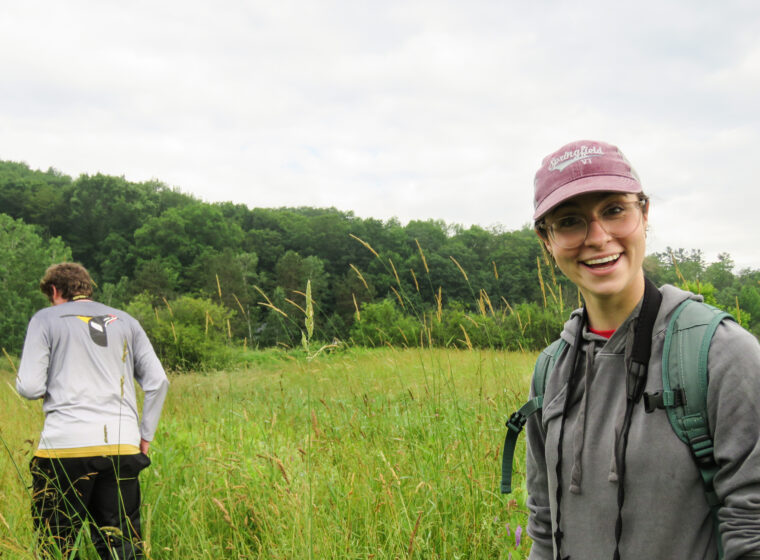
Here at Vermont Center for Ecostudies we have a dozen different volunteer opportunities that will get you outside, calm your nervous system, and help you get to know the local flora and fauna, while also contributing to conservation science.
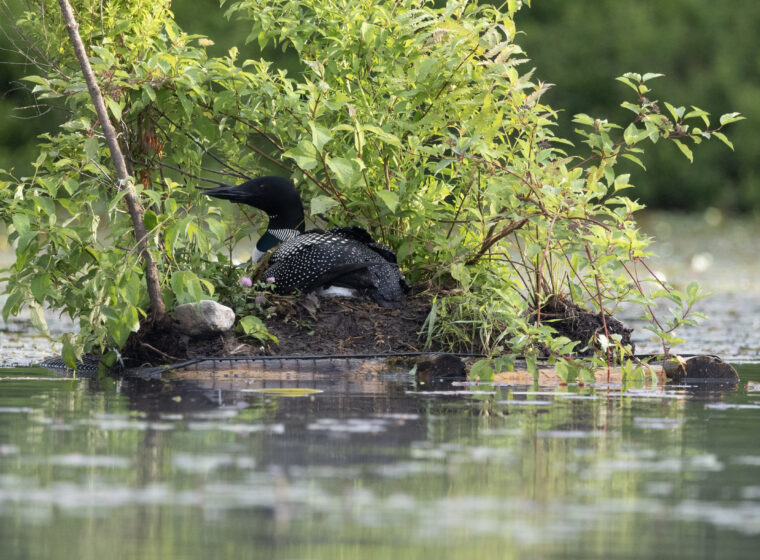
It’s Time to Remove Some Loon Nesting Rafts
We are entering a period when we can reduce some of our active management activities and promote natural nesting.
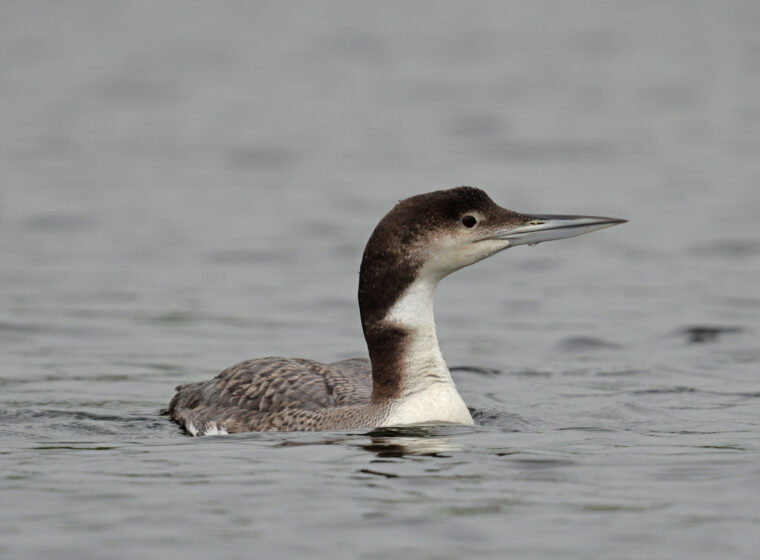
Subadult Loons: Why We See So Few In Vermont Today
In the 1990s, volunteers often observed 10 to 20 subadults during the annual single day survey. Over the past decade, however, volunteers have rarely reported more than four. So, where are the young ones?
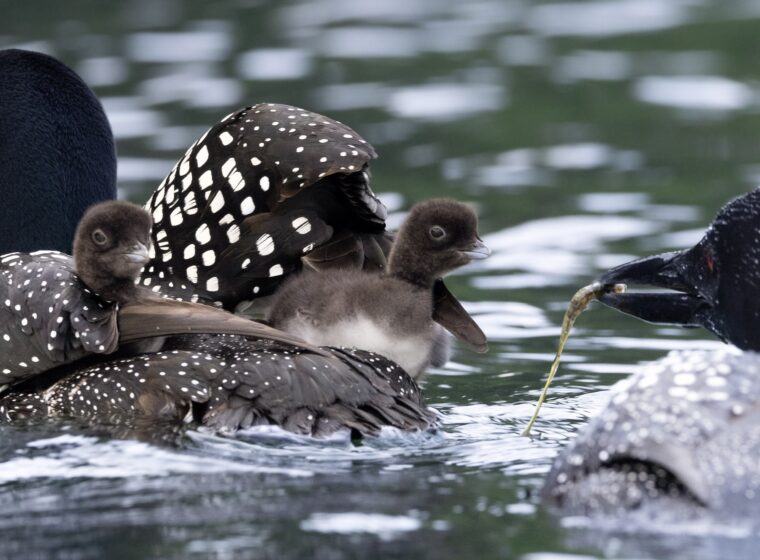
Loon Love and Loss on Lake Iroquois
As a volunteer for the Vermont Loon Conservation Project, I’ve developed an interest that has bloomed into a mission to steward and study the loons of Lake Iroquois.
Field Guide to July 2026
July is abundant—gardens bloom and buzz with insects, loon calls echo across lakes, berries ripen in the mountains.
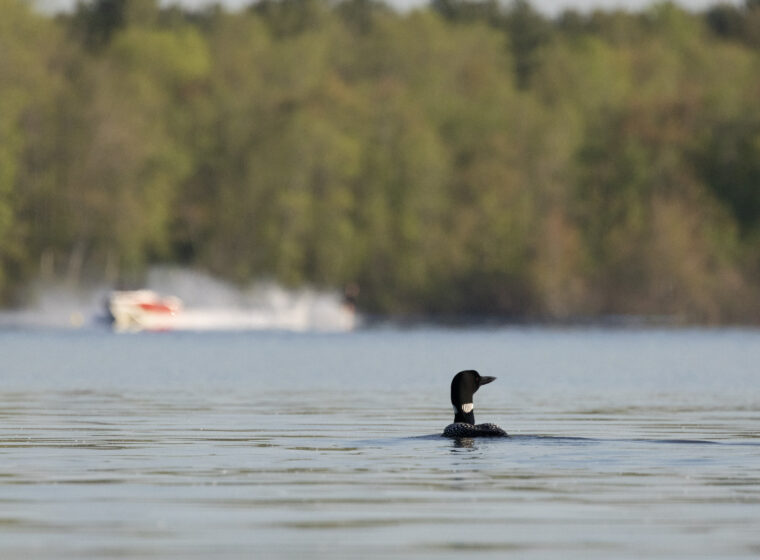
Good News: More Loons Now Protected from Wakeboat Waves
This story ran in Loon Caller, the Vermont Center for Ecostudies’ annual loon publication. Support Vermont loons today—mark down that your gift is for the Vermont Loon Conservation Project. The…
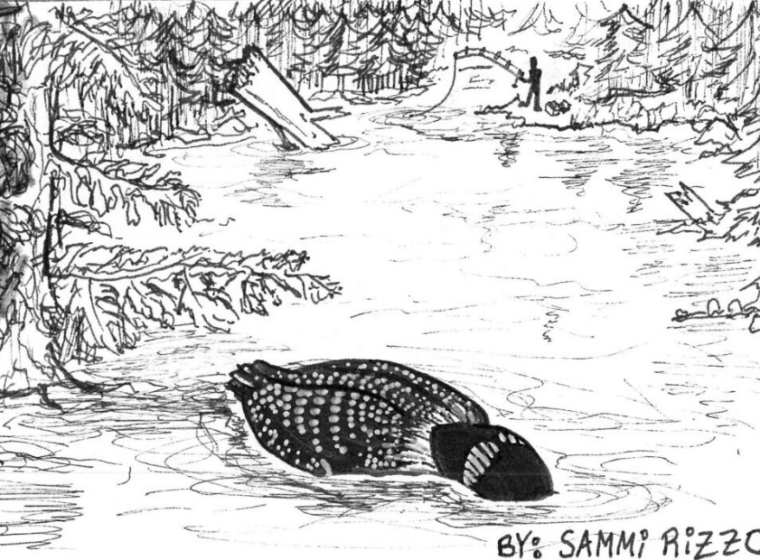
Something is Killing Our Loons: A Comic
Loons pick up rocks to fill their gizzards, organs that help break down tough materials from their diet. But sometimes, other things get mixed in.
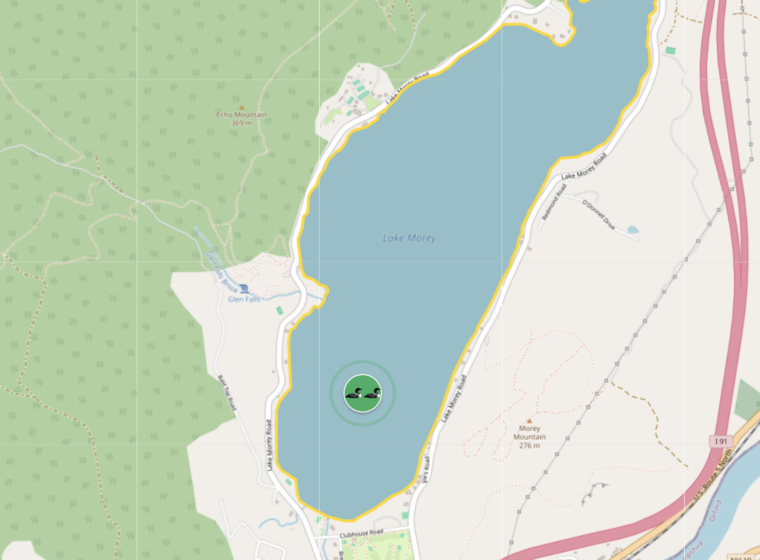
LoonWeb Is Ready for Your Lake Adventures
We’ve been excited to hear from volunteers on how much fun they’ve had testing out LoonWeb’s survey function. Now it’s your turn to try it out!
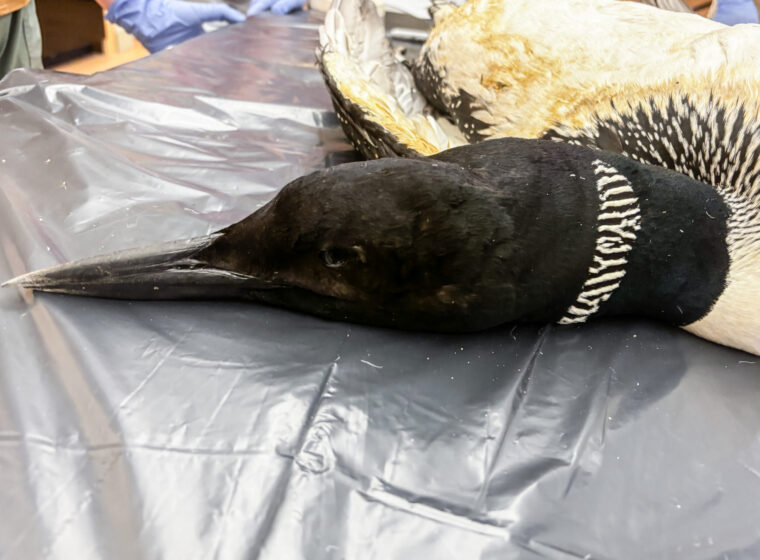
Legal Lead Fishing Gear Is Still Killing Loons
I watched Mark Pokras, a seasoned veterinarian from Tufts University, pull a jig out of the loon’s gizzard. “If you can scrape the top layer, it’s probably lead,” he explained.
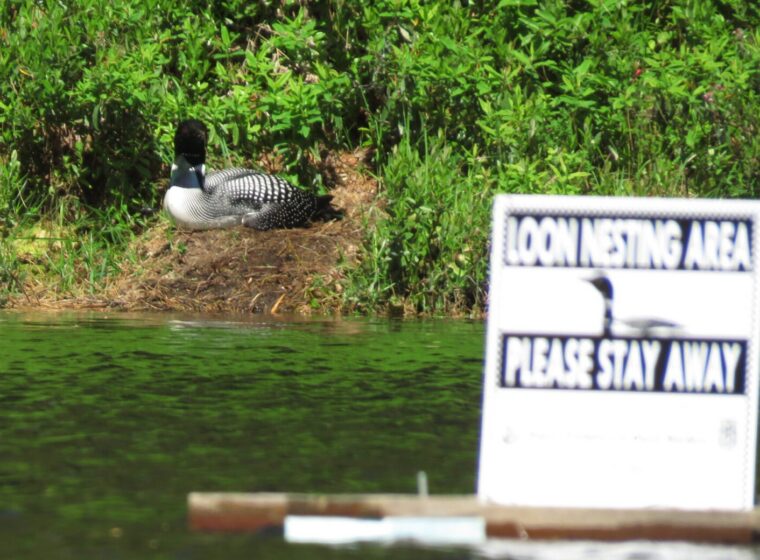
The Ripple Effect: Wakeboats Pose Risks to Loon Nests
For many, current rules on wakeboats, which create ocean sized waves for wakeboarding, may not go far enough to ease concerns about safe recreation and impacts on aquatic environments. Loons and their nests may especially be at risk.